Soy Sauce & Tamari - Guide For The Home Chef
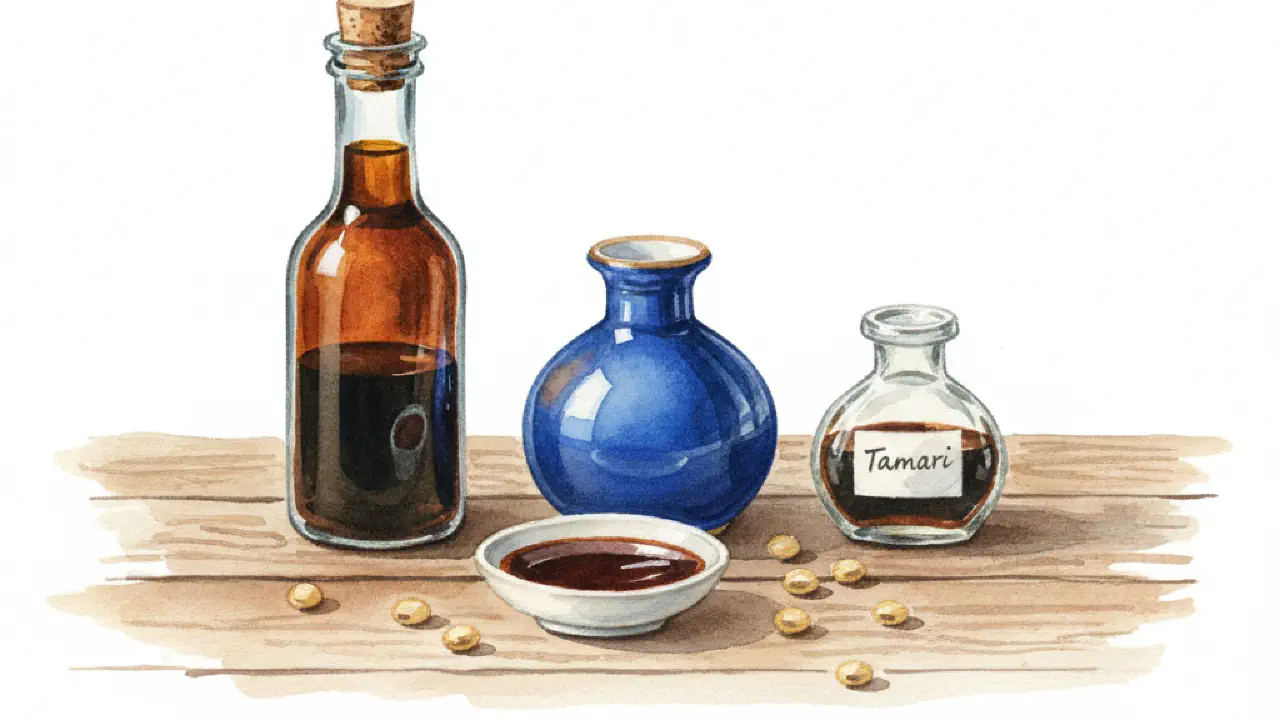
Soy Sauce © kvalifood.com
Soy sauce is one of the easiest ways to add deep, savory flavor to your cooking. A splash in a marinade, a dash in a stir-fry, a small bowl for dipping - it punches well above its weight. But the bottles on the shelf can be confusing. Here’s what you actually need to know.
The Five You’ll Encounter
Japanese Soy Sauce (Koikuchi)
The default. The Kikkoman bottle. Reddish-brown, balanced, works in almost everything - stir-fries, marinades, fried rice, noodles, dipping sauces. If a recipe just says “soy sauce,” this is what it means. Start here.
Chinese Light Soy Sauce
Thinner and slightly sharper than Japanese. The everyday soy sauce in Chinese cooking. Great for stir-fries and anything where you want clean, salty seasoning without sweetness.
Chinese Dark Soy Sauce
Thick, dark, and mildly sweet. Its main job is adding color, not saltiness - it turns braised meat and noodles that rich, deep brown. Don’t use it alone as a seasoning; pair it with light soy sauce.
Tamari
The Japanese soy sauce with little to no wheat. Darker, richer, and slightly less sharp than regular Japanese soy sauce. Great for dipping (especially sashimi), marinades, and glazes. The go-to if you’re cooking gluten-free - just check the label says “gluten-free” to be sure.
Kecap Manis
Indonesian sweet soy sauce - thick as syrup, heavily sweetened with palm sugar. Used in nasi goreng, satay, and glazes. Not interchangeable with regular soy sauce; think of it as its own ingredient.
Which One to Use When
| Situation | Reach for |
|---|---|
| Everyday stir-fry or marinade | Japanese (Kikkoman) or Chinese light |
| You want color in a braise | Chinese dark |
| Dipping sauce | Japanese or tamari |
| Gluten-free cooking | Tamari (certified GF) |
| Indonesian or satay dishes | Kecap manis |
A Few Things Worth Knowing
“Light” doesn’t mean less salt. Chinese light soy sauce and Japanese usukuchi are actually saltier than their darker counterparts. “Light” refers to color only.
Tamari and regular soy sauce swap 1:1. The flavor is slightly richer with tamari, slightly brighter with regular. Either works in most recipes.
Don’t add soy sauce too early on high heat. The aroma evaporates quickly. Add it toward the end of cooking for better flavor, or use it in marinades where the heat is lower and slower.
Buy the naturally brewed kind. Cheap soy sauces are often made with a chemical shortcut (hydrolyzed soy protein) that produces a flat, harsh flavor. On a Japanese bottle, look for 本醸造 (honjozo) - it means naturally brewed. Kikkoman’s standard bottle qualifies.
What to Buy
Just starting out? Two bottles covers most situations:
- Kikkoman (Japanese, for everyday use)
- Pearl River Bridge dark (Chinese dark, for braises and color)
Add tamari if you cook gluten-free or want a richer dipping sauce.
Storage
Keep it in the fridge after opening. It won’t spoil at room temperature, but the flavor stays fresher significantly longer when cold. Use within 3-6 months at room temp, or up to 2 years refrigerated.
See Also
- Soy Sauce & Tamari - Complete Reference - full deep-dive on production, chemistry, and all regional types