Garam Masala - Home Cook Guide
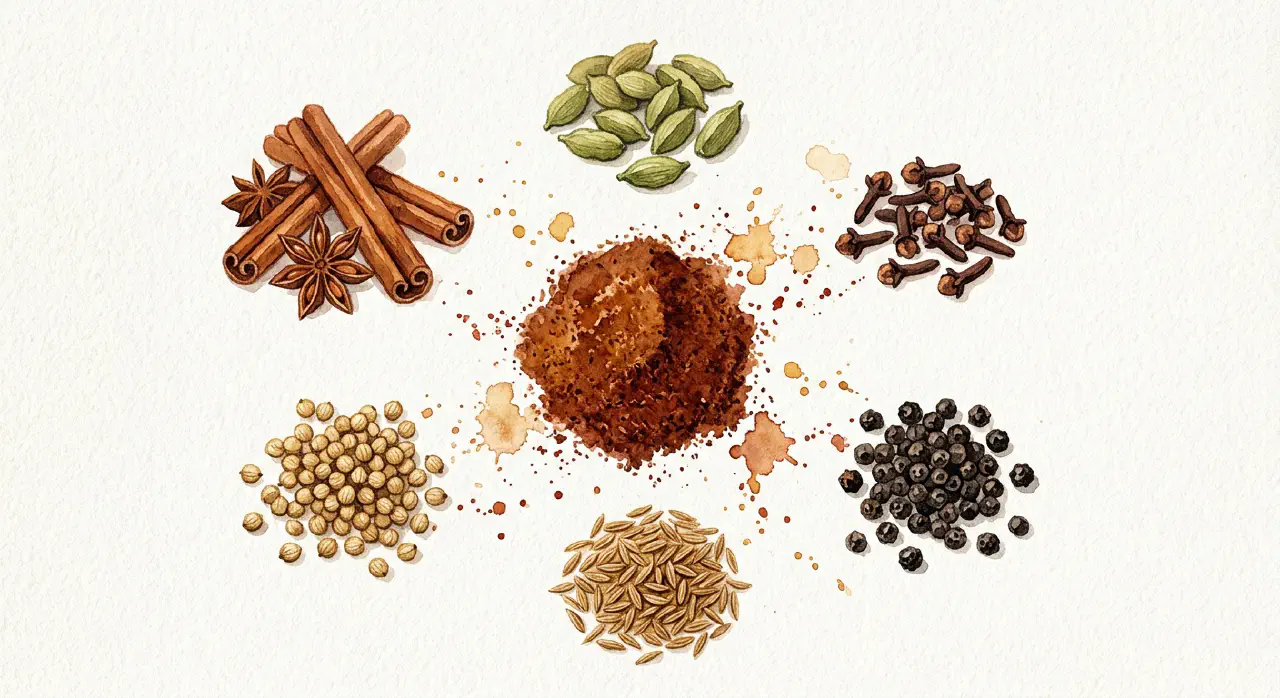
Garam Masala © kvalifood.com
Garam masala is the finishing spice of North Indian cooking - added at the end, not the beginning, to preserve its volatile aromatics. Making your own takes ten minutes and produces a result meaningfully better than any commercial blend.
What It Goes In
- Chicken, lamb, or vegetable curries - stir in at the end
- Dal - finish with garam masala and a tadka (tempered butter or ghee)
- Biryani - layered into the rice and meat
- Roasted vegetables - toss cauliflower, squash, or carrots with oil and garam masala before roasting
- Spice rubs - works well with lamb, pork, chicken; combine with salt, oil, and a little brown sugar
- Lentil soup - 1/2 tsp in the final minutes
Three Signature Dishes
Chicken tikka masala - marinated grilled chicken in a spiced tomato-cream sauce. Garam masala goes into both the marinade and the sauce, with a final 1/2 tsp stirred in off heat. The most common introduction to the blend for most Western cooks.
Dal makhani - black lentils slow-cooked overnight (or for several hours) with kidney beans, butter, and cream. Garam masala is added twice: a small amount mid-cook to build depth, and 1/2 tsp at the end. The long cook time makes late addition especially important here.
Lamb rogan josh - a Kashmiri braised lamb curry with a deep red sauce built from dried chiles, onions, and yogurt. Garam masala finishes the dish; traditional Kashmiri versions use a local blend heavy on black cumin and fennel rather than a standard North Indian mix.
The Rule
Add garam masala late. In the last 5 minutes of cooking, or off heat entirely. Its aromatic compounds evaporate at cooking temperatures - sustained simmering destroys them.
Exception: you can add a small amount early (bloomed in oil with onions) for base flavor, then add more at the end for aroma.
How Much to Use
| Situation | Amount |
|---|---|
| Finishing a curry for 4 | 1/4 – 1/2 tsp |
| Added during cooking (for 4–6) | 1–2 tsp total |
| Homemade blend (vs. store-bought) | Use 2/3 of the amount - it’s more potent |
Making Your Own
Homemade is worth it. Commercial blends skip toasting, which is where a large part of the flavor is built. The process takes about 15 minutes.
A reliable all-purpose blend:
| Spice | Amount |
|---|---|
| Cumin seeds | 3 tbsp |
| Coriander seeds | 3 tbsp |
| Green cardamom pods | 2 tbsp |
| Black peppercorns | 1 tbsp |
| Cinnamon stick | 1 × 7cm piece |
| Cloves | 1 tsp |
| Bay leaves (Indian tej patta, or standard) | 2–3 |
| Nutmeg, freshly grated | 1/4 tsp (add after grinding) |
Method
- Toast whole spices (except nutmeg) in a dry heavy pan over low-medium heat, stirring constantly, for 3–5 minutes - until fragrant but not browned.
- Cool completely on a plate before grinding - 10–15 minutes. Do not grind warm.
- Grind to a fine powder in a spice grinder.
- Grate nutmeg into the finished powder and stir to combine.
- Store in an airtight glass jar away from light and heat.
Use within 6 weeks for peak aroma. Still usable for up to 6 months, but fades noticeably.
Troubleshooting
| Problem | Cause | Fix |
|---|---|---|
| Weak, flat flavor | Old spices; added too early; commercial blend | Make fresh; add later in cooking |
| Bitter or harsh | Burned during toasting; too much clove | Toast at lower heat; reduce cloves |
| No aroma when you open the jar | Blend is too old | Replace - the volatile compounds are gone |
| Too much heat in the dish | Blend has chili added (some commercial blends do) | Check label; make your own without chili |
Buying Pre-Made
If not making your own, buy sealed branded product - never loose market spices, which are frequently adulterated.
- MDH - balanced, widely available, good everyday choice
- Everest - bolder and more complex; better for long-braised meat dishes
- Shan - sharpest and most aromatic; best for biryani
- Diaspora Co. - single-origin, freshly harvested; noticeably more aromatic than the above; significantly more expensive
See Also
- Garam Masala - Definitive Guide - full reference: regional varieties, flavor chemistry, history, brand comparisons, nutrition