Alcohol Science
Alcohol Science
Ethanol — the alcohol in wine, beer, and spirits — is a small, dual-natured molecule: one end resembles a fatty-acid chain, the other resembles water. This amphipathic structure makes ethanol a universal solvent, a third cooking medium alongside water and oil, and a potent drug that penetrates cell membranes. Understanding ethanol’s physical properties explains everything from why distillation works to why flambé retains most of its alcohol.
Fermentation chemistry
About 160 species of Saccharomyces (“sugar fungus”) yeasts convert glucose to ethanol and CO₂ under anaerobic conditions. Beyond ethanol, yeasts produce a constellation of flavor compounds: savory succinic acid, fruity esters (from combining alcohols with acids), longer-chain “higher” alcohols from amino acid metabolism, and sulfur compounds reminiscent of cooked vegetables and toast. Dead yeast cells (lees) release enzymes that generate still more flavor. This is why fermentation is not just preservation — it is flavor creation.
Beer Brewing
Beer Brewing
Beer is fermented grain — and unlike grapes, grains contain starch rather than sugar, requiring an extra conversion step before yeast can work. Three independent civilizations solved this problem independently: saliva enzymes (Inca chicha), mold preparations (East Asian koji), and malting (Near East, now dominant worldwide). The malting tradition gives beer its distinctive flavors of grass, bread, and cooking — flavors born from the Maillard reactions that are inseparable from the process.
Bread Baking
Bread Baking
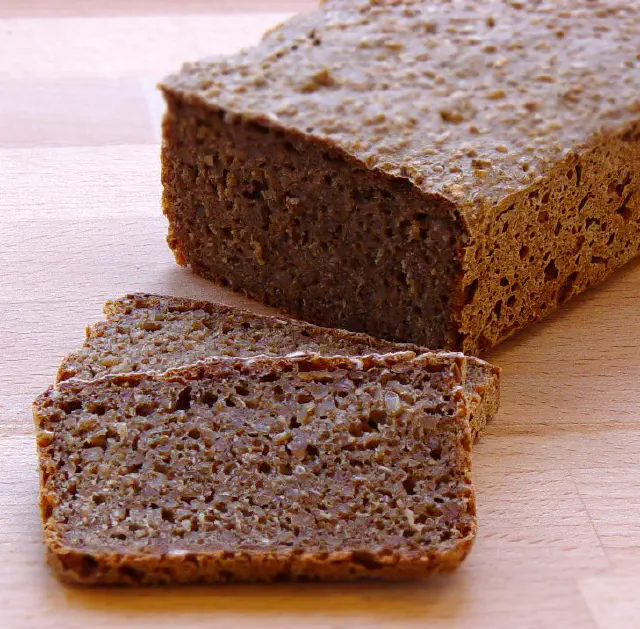
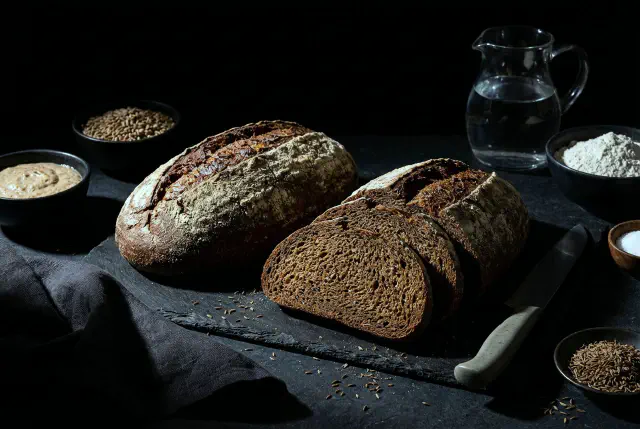
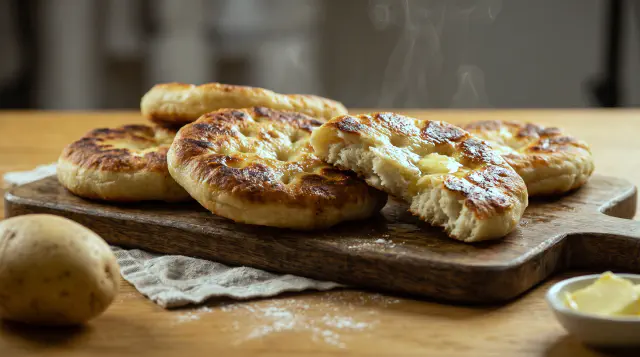
Bread baking is the transformation of flour, water, yeast, and salt into a structured, leavened, browned food — and it involves nearly every major concept in food science. Gluten provides structure, fermentation provides lift and flavor, starch-gelatinization sets the crumb, and the maillard-reaction creates the crust.
Stage 1: Mixing and gluten development
When flour meets water, two proteins — glutenin and gliadin — hydrate and begin bonding into gluten. Mixing and kneading unfold these proteins, orient them side by side, and encourage them to cross-link into a cohesive, elastic network. See gluten-science for the full mechanics of glutenin elasticity, gliadin extensibility, and how every ingredient modifies the network.
Cheese
Cheese
Cheese is milk made more concentrated, more durable, and more flavorful through controlled coagulation of casein proteins, removal of whey, and — in aged cheeses — prolonged enzymatic breakdown of proteins and fats. It is one of the oldest fermented foods, with archaeological evidence dating to ~2300 BCE, and one of the most diverse: France alone produces several hundred distinct varieties, each a product of local milk, climate, microbes, and tradition.
Chocolate
Chocolate
Chocolate is one of the most chemically complex foods — over 600 volatile aroma compounds, produced by an unusually elaborate chain of biological and thermal transformations. The cacao bean starts as a bland, astringent seed; three-phase fermentation converts it into a vessel of flavor precursors; gentle roasting develops those precursors through Maillard browning; and hours of conching aerates and mellows the result. At every stage, the wrong conditions destroy flavor that cannot be recovered.
Condiments
Condiments
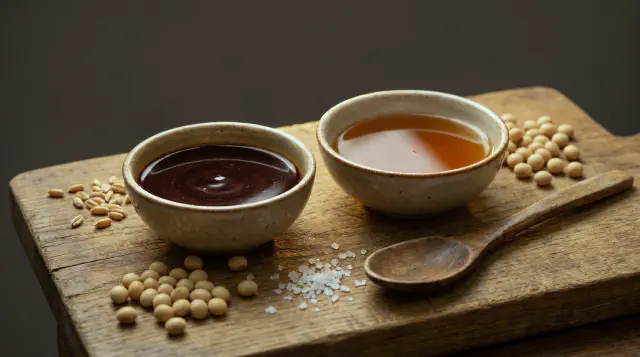
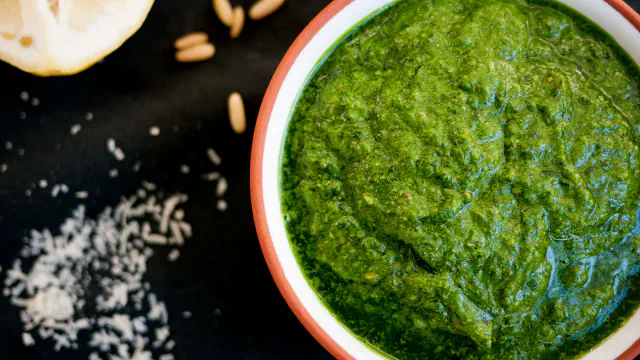
Condiments are the sauces that come to the table rather than the stove — flavor concentrates meant to contrast, brighten, or deepen the food they accompany. They divide broadly into fresh preparations (salsas, pesto, vinaigrettes) and fermented or preserved preparations (mustard, ketchup, soy sauce, fish sauce, vinegar, chutneys). The fermented condiments represent some of the oldest food technologies: salt and time converting perishable ingredients into shelf-stable, intensely flavored liquids.
Fermentation
Fermentation
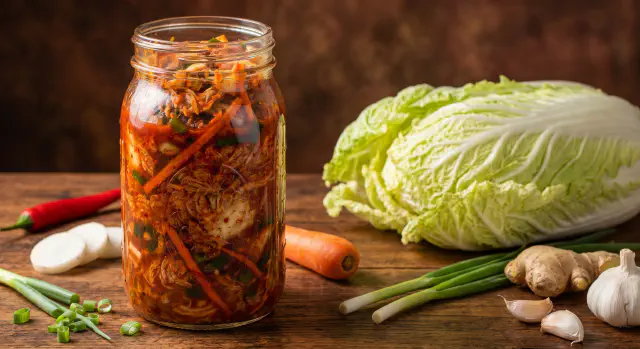
Fermentation is the transformation of food by microorganisms — yeasts, bacteria, and molds. It is one of the oldest and most consequential food technologies: bread, cheese, yogurt, wine, beer, soy sauce, vinegar, chocolate, coffee, and kimchi are all fermented foods. In every case, microbes do work that humans cannot — breaking down complex molecules into simpler, more flavorful, more digestible, or more preserved forms.
The basic mechanism
Fermentation in the strict biochemical sense is anaerobic metabolism — organisms extracting energy from sugars without oxygen, producing alcohol or organic acids as byproducts. In culinary use, the term is broader, encompassing any microbial transformation of food.
Honey
Honey
Honey is the natural model for all human sugar production — concentrated plant sugar solution, enzymatically transformed and preserved. Where humans crush, boil, and refine, bees collect dilute flower nectar and evaporate it in wax cells while their enzymes convert sucrose into the more soluble glucose-fructose mixture called invert sugar. The result is a supersaturated syrup (~80% sugar, ~17% water) that resists microbial spoilage, contains hundreds of flavor compounds, and has been humanity’s primary sweetener for most of recorded history.
Leavening
Leavening
Leavening is the introduction of gas into dough or batter to make it light and porous. Three gas sources exist — biological (yeast), chemical (baking soda/powder), and physical (steam, mechanical aeration) — and most preparations combine two or more. The choice of leavening system shapes not just texture but flavor, timing, and the entire workflow of baking.
Biological leavening: yeast
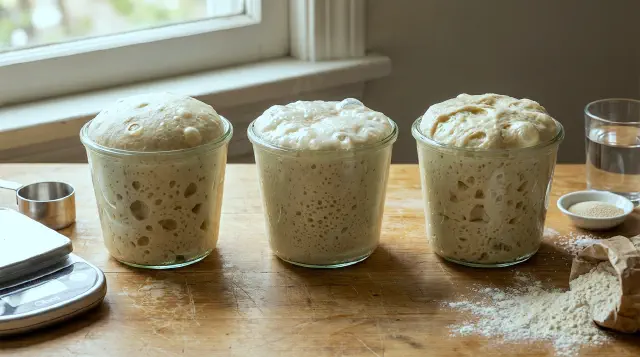
Saccharomyces cerevisiae — baker’s yeast — metabolizes sugars to produce CO₂ and ethanol. In the oxygen-poor interior of dough, it ferments rather than respires, generating gas slowly over hours. This slowness is a feature: it allows time for gluten development, enzyme activity, and the accumulation of flavor compounds (organic acids, alcohols, aldehydes) that give bread its complexity.
Meat Curing
Meat Curing
Curing is the ancient practice of making meat inhospitable to microbes through salt, drying, smoke, and fermentation — methods stretching back 4,000+ years. What began as preservation has become one of food science’s most complex flavor-development systems. A dry-cured ham is to fresh pork what aged cheese is to fresh milk.
Salting
Salt preserves meat by creating high dissolved ion concentrations that draw water out of microbe cells and disrupt their cellular machinery. Traditional salted meats contained 5–7% salt by weight and kept for months uncooked.
Plant Preservation
Plant Preservation
Preserving fruits and vegetables indefinitely requires two things: inactivating the plant’s own enzymes (which cause self-digestion) and making the environment inhospitable to microbes. Every preservation method achieves this through some combination of removing water, adding acid, adding sugar, adding salt, excluding oxygen, or applying heat. The methods range from prehistoric (sun-drying, fermentation) to industrial-age (canning, freeze-drying).
Drying
The oldest method. Reducing tissue water content from ~90% to 5–35% creates conditions in which little can grow.
Precision Fermentation
Every fermentation has a narrow metabolic sweet spot. Miss it by 5-10°C and you get runny yogurt, grainy texture, bland flavor, or complete failure. With precise temperature control, any heavy-bottomed pot becomes a digital incubator — turning kitchen chaos (variable room temperatures, unreliable ovens, radiator-heated corners) into predictable, professional-grade results.
Yogurt (41°C)
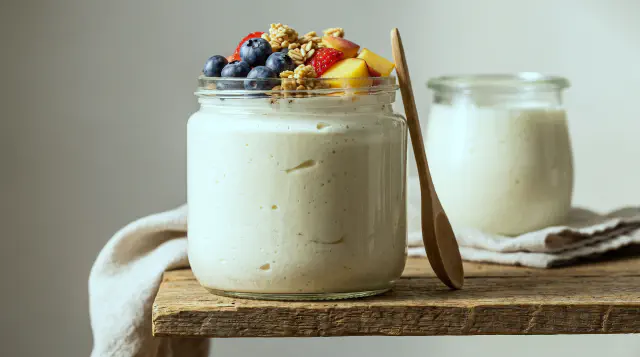
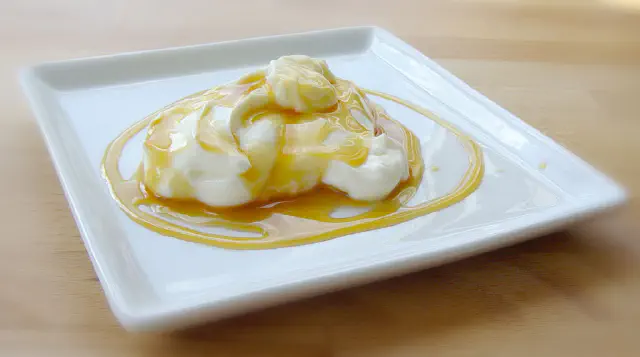
Thermophilic bacteria (Lactobacillus bulgaricus and Streptococcus thermophilus) peak in activity at ~41°C. Below 38°C, fermentation is sluggish and the culture takes so long to acidify the milk that wild microbes have time to compete, leading to thin, off-flavored results. Above 45°C, the bacteria experience heat stress, causing grainy texture and syneresis (excessive whey separation).