Biga
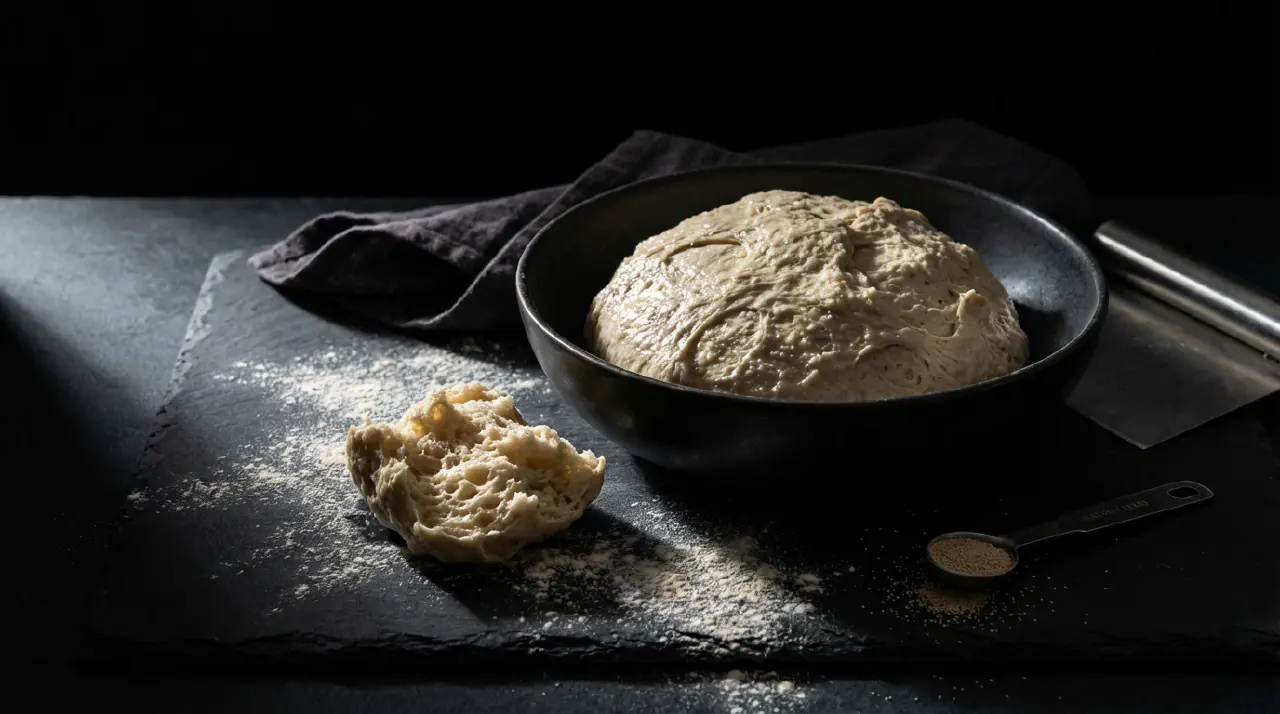
Biga © kvalifood.com
An Italian pre-ferment made with minimal yeast and long fermentation to develop flavor and strength. Used as a base for Italian breads like ciabatta, it can be made, refrigerated, or frozen ahead for flexibility. See Pre-Ferments: The Baker’s Secret Weapon for an overview of all pre-ferment types including Poolish and Pâte Fermentée.
Ingredients
Makes 18 ounces (enough for 1 batch of ciabatta or Italian bread)
- 320 g unbleached bread flour
- ½ tsp (.055 oz) instant yeast
- 200–230 g water, room temperature
Directions
Stir together the flour and yeast in a large bowl. Add ¾ cup plus 2 tablespoons of the water, stirring until everything comes together into a coarse ball. Adjust the flour or water as needed so the dough is neither too sticky nor too stiff. (It is better to err on the sticky side during this stage.)
Sprinkle flour on the counter and transfer the dough to it. Knead for 4 to 6 minutes, or until the dough is soft and pliable, tacky but not sticky. The internal temperature should be 77–81°F (25–27°C).
Lightly oil a bowl and transfer the dough, rolling it to coat with oil. Cover with plastic wrap and ferment at room temperature for 2 to 4 hours, or until nearly doubled.
Remove the dough from the bowl, knead it lightly to degas, and return it to the bowl. Cover with plastic wrap and place in the refrigerator overnight. The biga will keep in the refrigerator for up to 3 days, or in the freezer in an airtight plastic bag for up to 3 months.
Notes
- Timing: You can use the biga as soon as it ferments, but an overnight retard in the refrigerator brings out more flavor.
- Italian terminology: In Italy, nearly every pre-ferment (including wild yeast or sourdough versions) is called biga. Always check the ingredient ratio when using recipes from other sources to ensure you are making the correct pre-ferment type.
- Flour substitution: You can substitute all-purpose flour for bread flour, or blend all-purpose with bread flour.
- Storage: Biga keeps for up to 3 days refrigerated or about 3 months frozen.
See Also
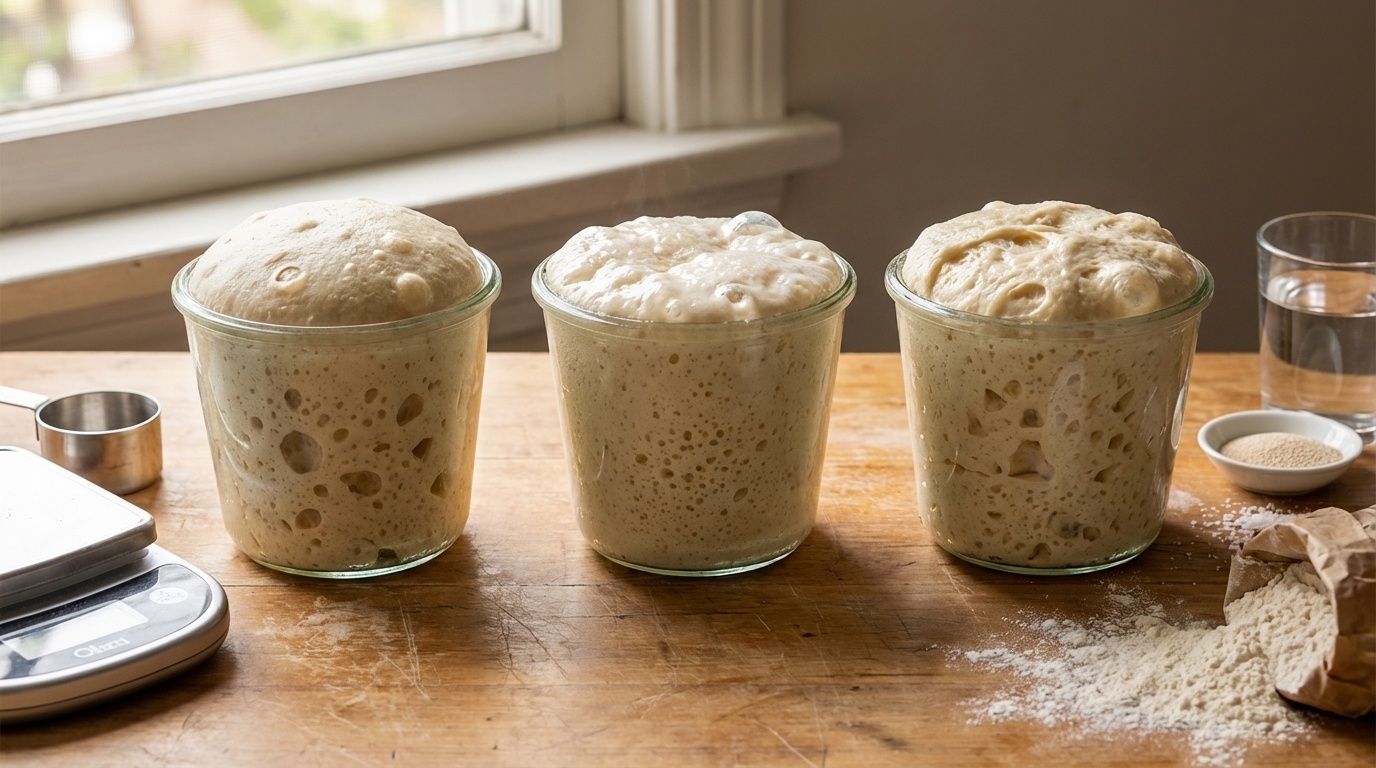
Pâte Fermentée
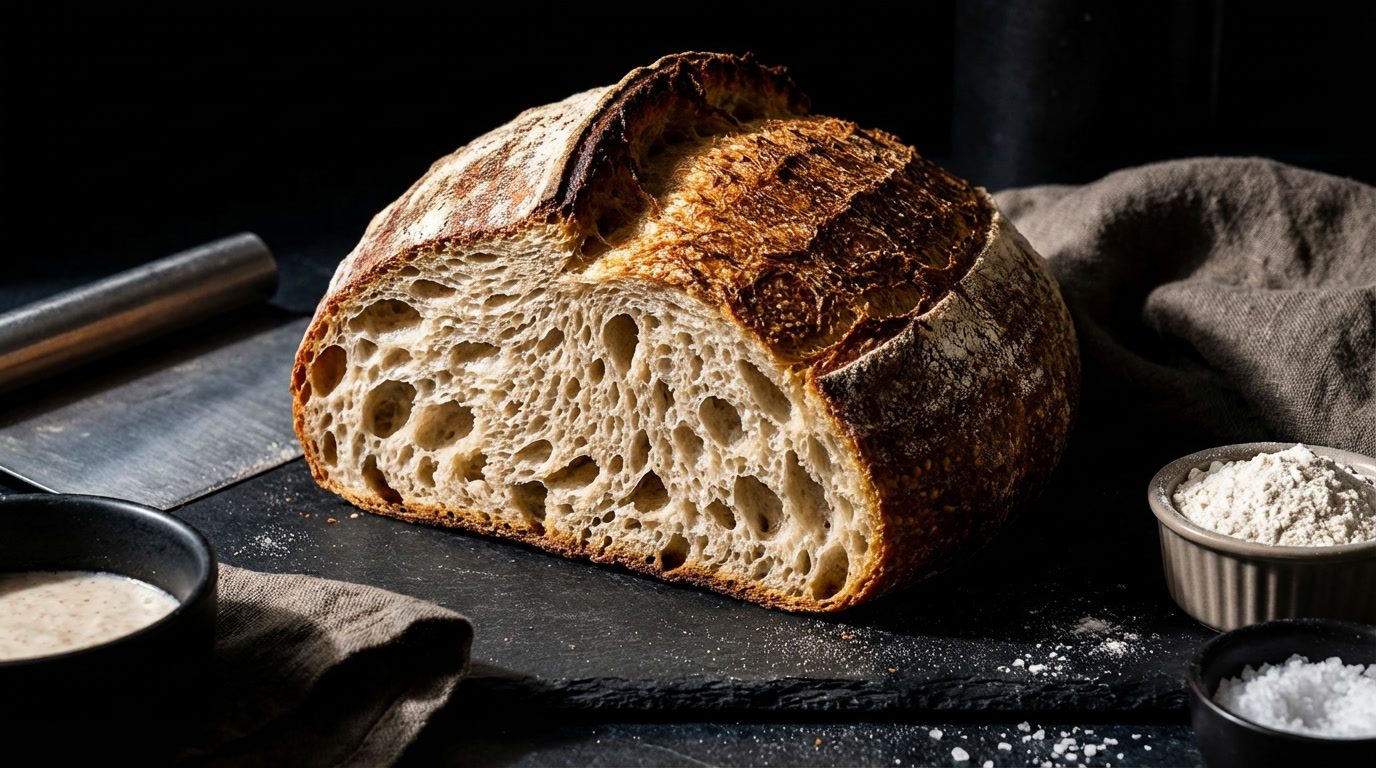
Basic Sourdough Bread
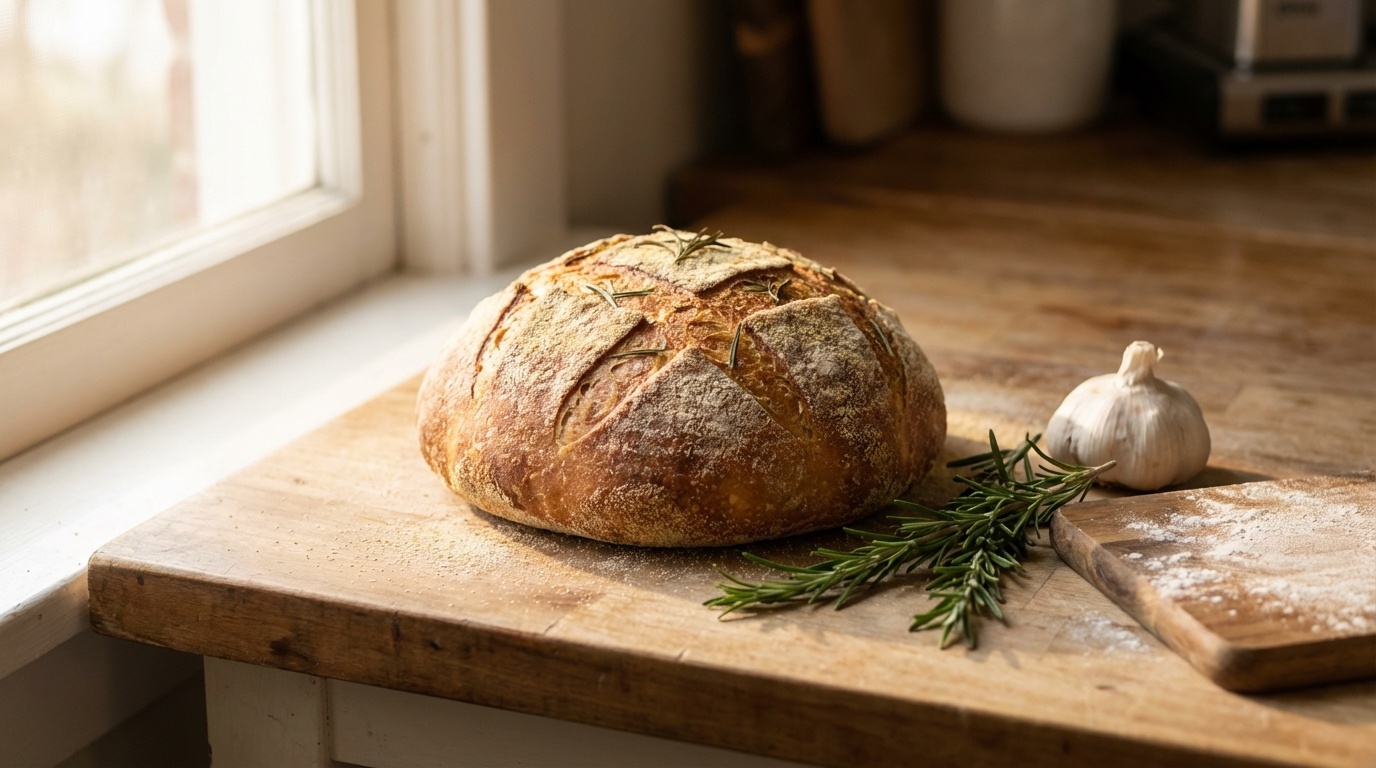
Potato Rosemary Bread