Kaiser Rolls
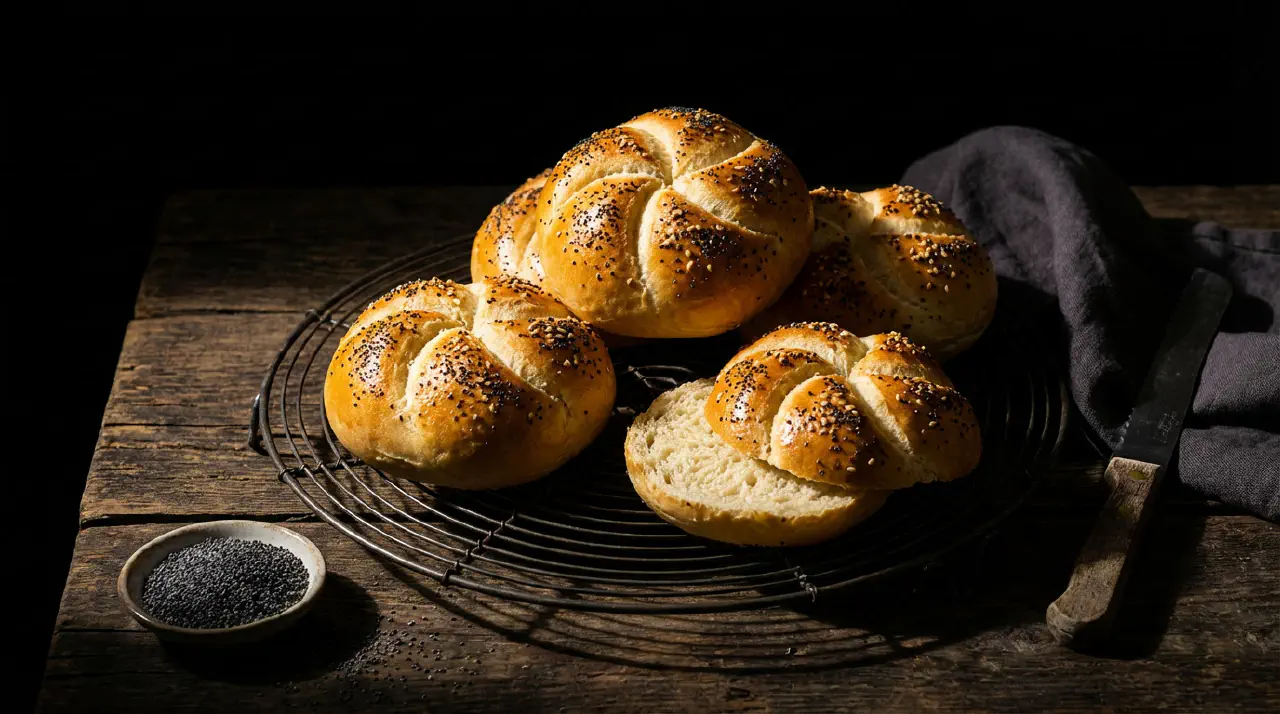
Kaiser Rolls © kvalifood.com
Enriched hard rolls with a distinctive star pattern on top and a thin, slightly crisp crust that yields to the first bite. Made with pâte fermentée for superior flavor, texture, and color compared to commercial versions.
Ingredients
Makes 6 large rolls or 9 smaller rolls
- 230 g pâte fermentée
- 280 g unbleached bread flour
- ¾ tsp plus a pinch (.2 oz) salt
- 1 tsp (.17 oz) diastatic barley malt powder or 1½ tsp (.33 oz) barley malt syrup
- 1 tsp (.11 oz) instant yeast
- 45 g large egg, slightly beaten
- 1½ tbsp (.75 oz) vegetable oil or shortening, melted
- 10 tbsp to ¾ cup (5 to 6 oz) lukewarm water (90°–100°F (38°C))
- Poppy or sesame seeds, for topping (optional)
- Semolina flour or cornmeal, for dusting
Directions
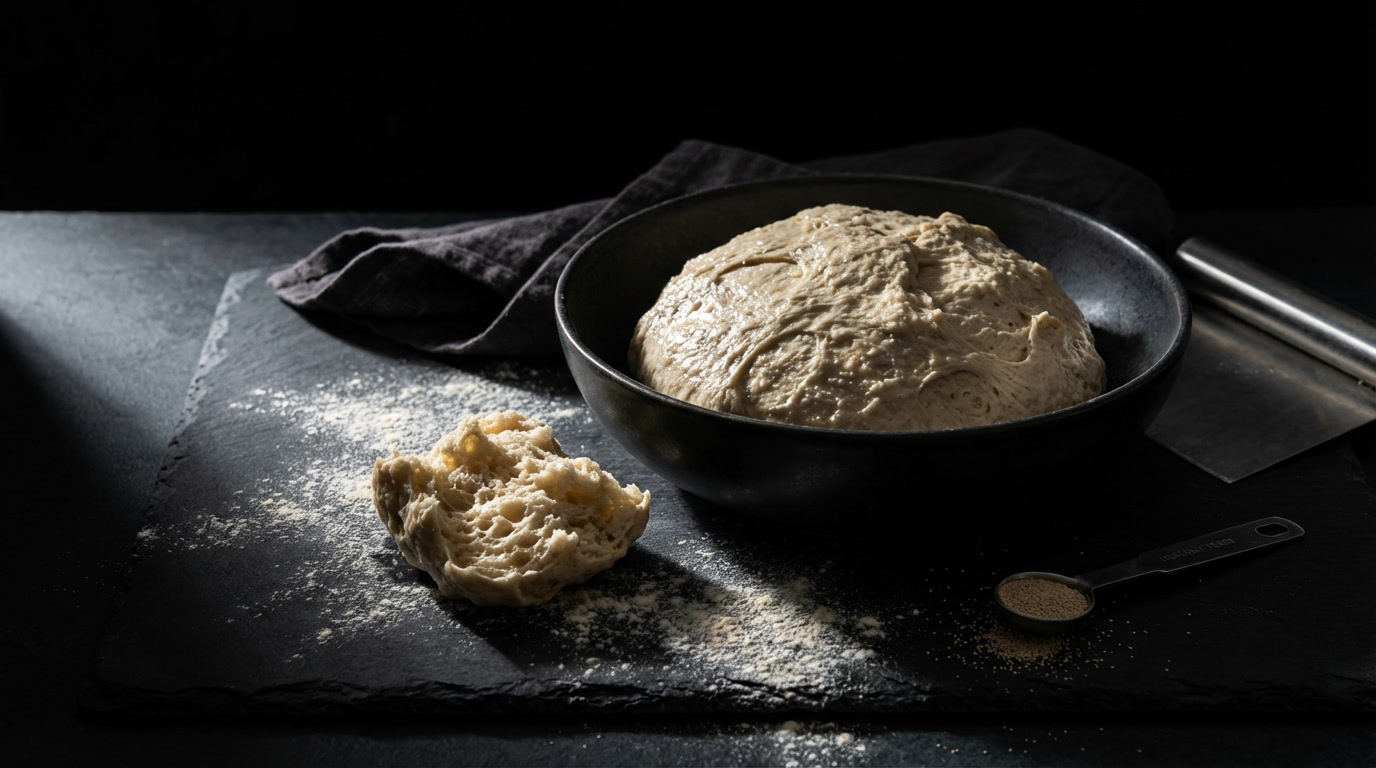
Take the pâte fermentée out of the refrigerator 1 hour before making the dough. Cut it up into about 10 small pieces with a pastry scraper or serrated knife. Cover with a towel or plastic wrap and let sit for 1 hour to take off the chill.
Stir together the flour, salt, malt powder, and yeast in a 4-quart bowl. Add the pâte fermentée, egg, oil, and 10 tbsp water. Stir for 1 minute, or until the ingredients form a ball. If there is still some loose flour, add the remaining 2 tbsp water. Lightly dust the counter with flour, transfer the dough, and begin kneading for about 10 minutes, adding flour as needed, to make a dough that is soft and supple, tacky but not sticky. The dough should pass the windowpane test and the internal temperature should register 77°–81°F (27°C). Lightly oil a large bowl, transfer the dough, and coat with oil. Cover with plastic wrap.
Ferment at room temperature for 2 hours, or until the dough doubles in size. If the dough doubles before 2 hours have elapsed, remove it, knead lightly to degas it, and return it to the bowl to continue fermenting until doubled from original size or until 2 hours have elapsed.
Remove the dough from the bowl and divide it into 6 to 9 equal pieces (4 oz for large rolls, 2⅔ oz for smaller rolls). Form the pieces into rolls. Mist the rounds lightly with spray oil, cover with a towel or plastic wrap, and let the dough relax for 10 minutes. Meanwhile, line a sheet pan with baking parchment, lightly mist it with spray oil, and then dust with semolina flour or cornmeal.
Prepare the individual rolls by cutting them with a kaiser roll cutter or knotting them. Place the rolls, cut side down, on the parchment, mist lightly with spray oil, and loosely cover the pan with plastic wrap or a food-grade plastic bag.
Proof the rolls for 45 minutes at room temperature, then flip them over so the cut or folded side is facing up. Mist again with spray oil, cover the pan, and continue proofing for another 30 to 45 minutes, or until the rolls are double their original size.
Preheat the oven to 425°F (220°C) with the oven rack on the middle shelf. Uncover the rolls and prepare them for baking. If you want seeds on your rolls, mist them with water and sprinkle poppy seeds over the top. If not, just mist them with water. Place the pan in the oven, spray the oven walls with water, and close the door. After 10 minutes, rotate the pan for even baking and lower the oven setting to 400°F (205°C). Continue baking until the rolls are a medium golden brown and register approximately 200°F (93°C) in the center. This will take 15 to 30 minutes for large rolls, or less for smaller rolls.
Remove the rolls from the pan and transfer to a cooling rack. Wait at least 30 minutes before serving.
Notes
- Kaiser roll shape: The traditional method requires overlapping folds like making a paper flower, which is time-consuming and difficult to teach. A commercial kaiser cutter (metal or plastic) is equally effective. An easy alternative is a knotted roll design, which looks similar to the overlapping-fold technique.
- Enriched dough: The egg and oil make these rolls softer and richer than lean doughs, with tender crumb structure.
See Also
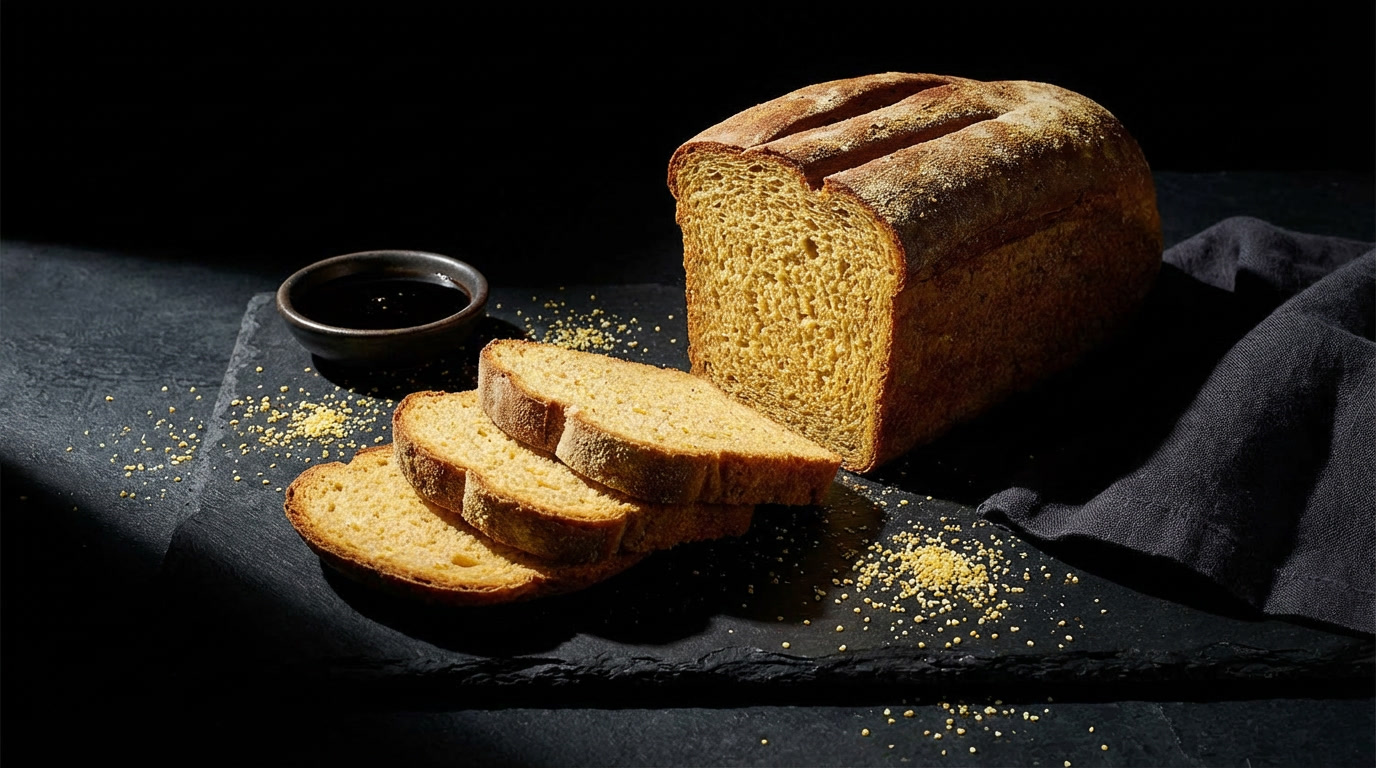
Anadama Bread
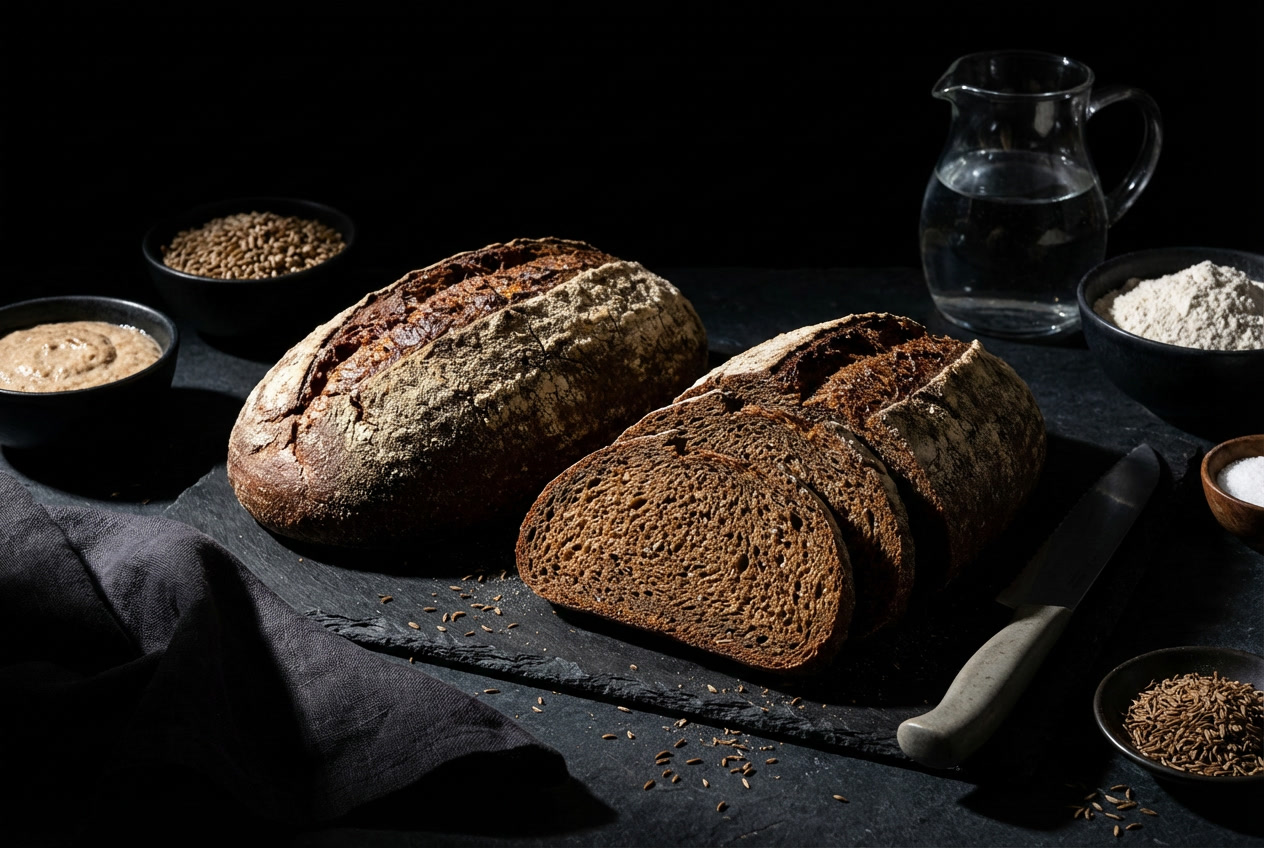
100 Percent Sourdough Rye Bread
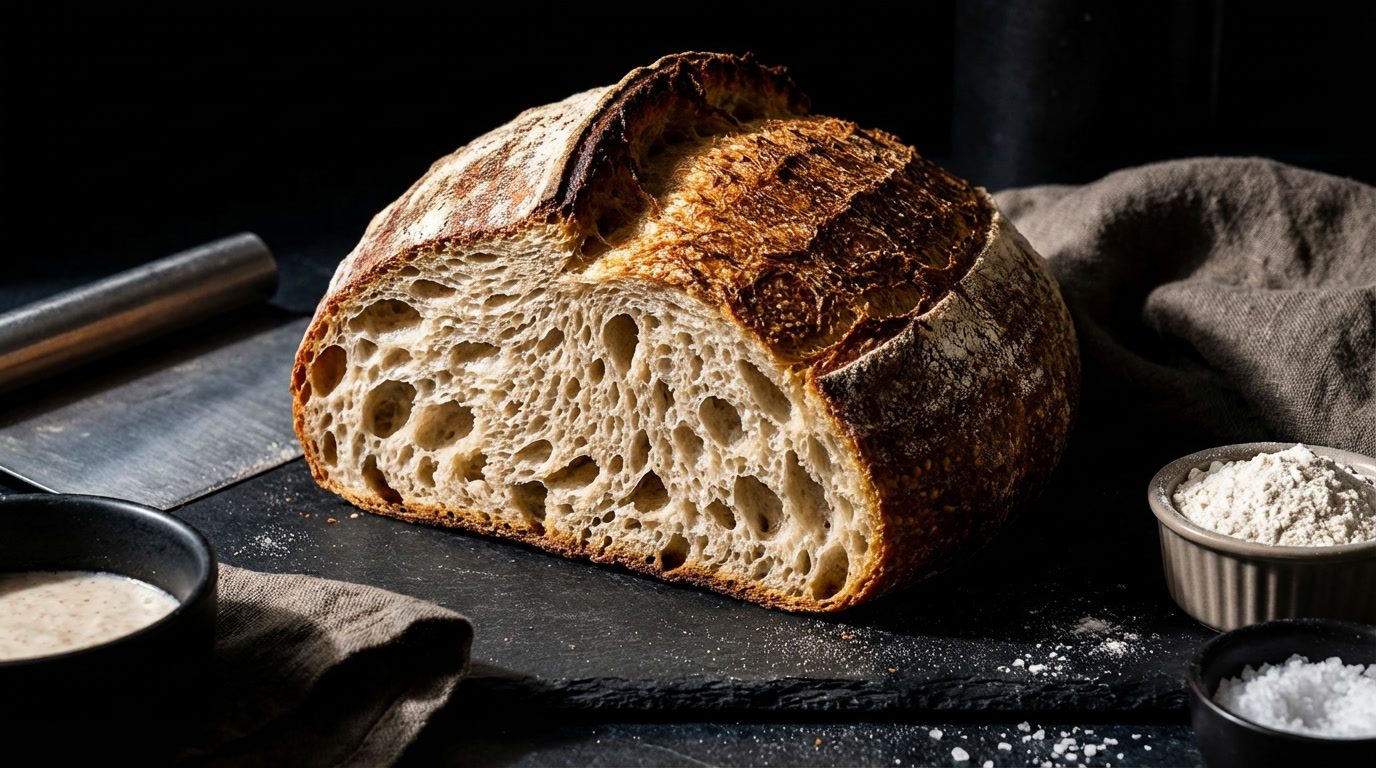
Basic Sourdough Bread