Multigrain Bread Extraordinaire
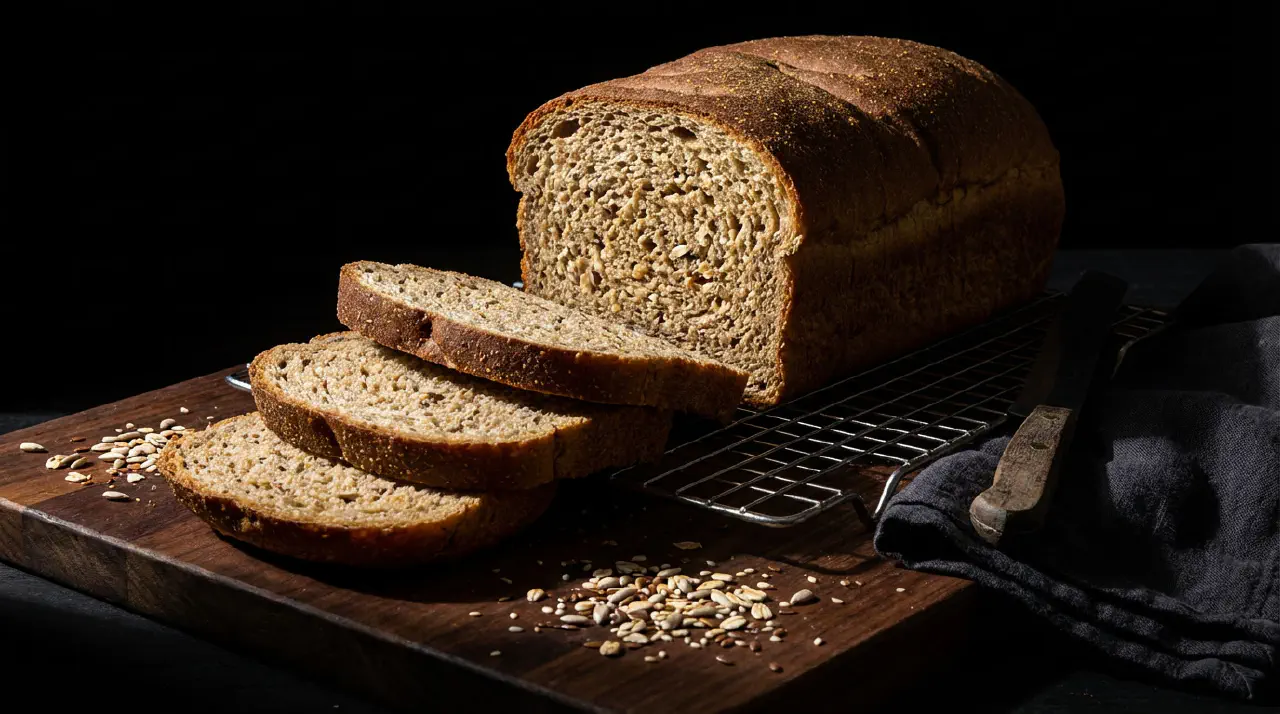
Multigrain Bread Extraordinaire © kvalifood.com
A nutrient-dense loaf combining multiple grains and a soaker that activates enzymes and releases natural sugars. The bread toasts exceptionally well, with the grains holding moisture while the crust caramelizes, making it ideal for sandwiches, toast, or breakfast.
Ingredients
Makes 1 2-pound loaf or 6 to 12 rolls
Soaker (prepared 1 day ahead)
- 3 tbsp coarse cornmeal (polenta), millet, quinoa, or amaranth
- 3 tbsp rolled oats or wheat, buckwheat, or triticale flakes
- 2 tbsp wheat bran
- 55 g water, at room temperature
Dough
- 380 g unbleached high-gluten or bread flour
- 3 tbsp brown sugar
- 1½ tsp salt
- 1 tbsp instant yeast
- 3 tbsp cooked brown rice
- 1½ tbsp honey
- 110 g buttermilk or milk
- 170 g water, at room temperature
- About 1 tbsp poppy seeds, for topping (optional)
Directions
Day 1: Make the soaker. Combine the cornmeal, oats, and bran with the water in a small bowl. The water will just cover the grain, hydrating it slightly. Cover the bowl with plastic wrap and leave it at room temperature overnight to initiate enzyme action.
Day 2: To make the dough, stir together the flour, brown sugar, salt, and yeast in a 4-quart bowl. Add the soaker, rice, honey, buttermilk, and water. Stir until the ingredients form a ball. Add a few drops of water if any of the flour remains separate.
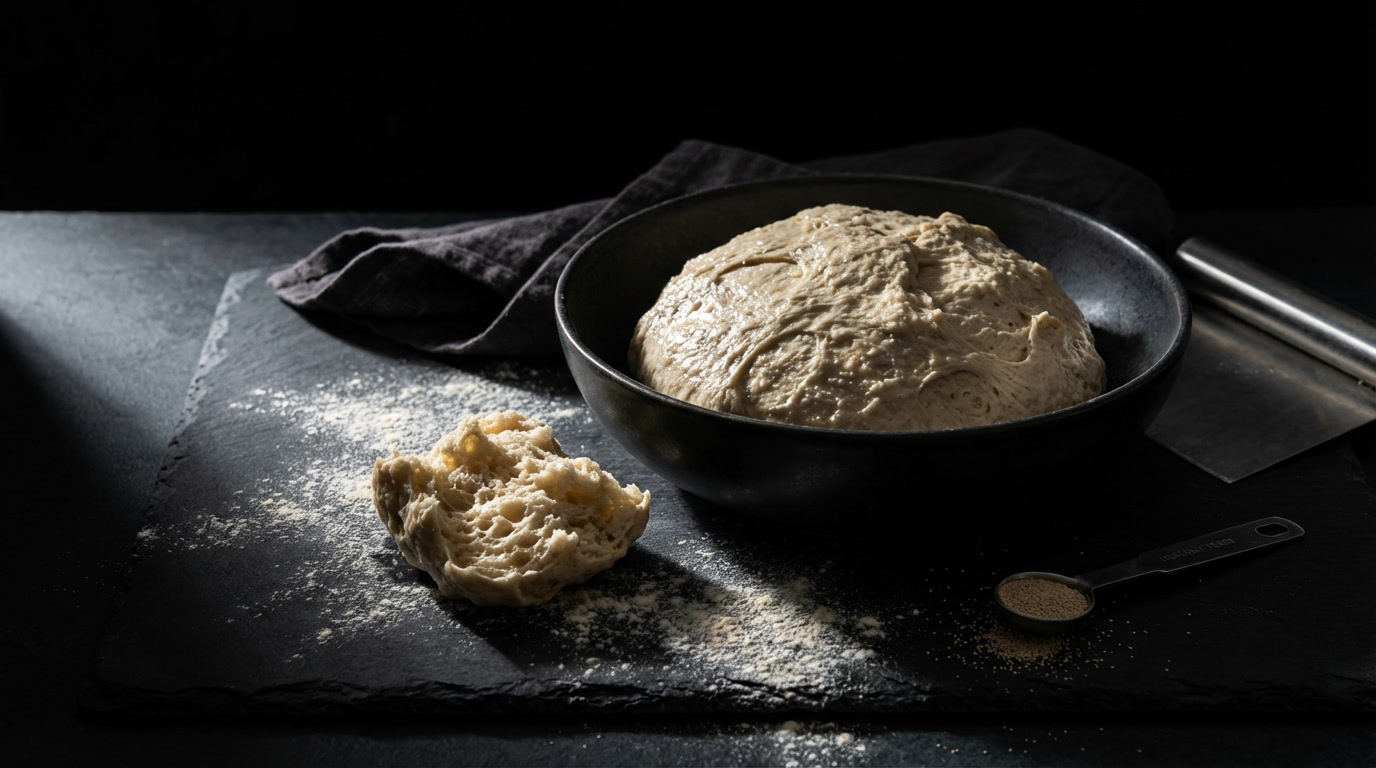
Sprinkle flour on the counter, transfer the dough, and begin to knead for about 12 minutes, sprinkling in flour if needed to make a dough that is soft and pliable, tacky but not sticky. The individual ingredients will homogenize into the greater dough, disappearing to an extent, and the dough will smooth out and become slightly shiny. The dough should pass the windowpane test and register 77°–81°F (27°C). Lightly oil a bowl and transfer the dough, rolling it around to coat with oil. Cover with plastic wrap.
Ferment at room temperature for 90 minutes, or until the dough doubles in size.
Remove the dough from the bowl and press it by hand into a rectangle about ¾ inch thick, 6 inches wide, and 8 to 10 inches long. Form it into a loaf, or into another desired shape. Place the loaf into a lightly oiled 9 by 5-inch loaf pan, or onto a sheet pan lined with baking parchment if you are making rolls or freestanding loaves. Mist the top of the dough with water and sprinkle on the poppy seeds. Mist again with spray oil and loosely cover with plastic wrap or a towel.
Proof for approximately 90 minutes, or until the dough nearly doubles in size. If you are using a loaf pan, the dough should crest fully above the lip of the pan, doming about 1 inch above the pan at the center.
Preheat the oven to 350°F (175°C) with the oven rack on the middle shelf.
Bake for about 20 minutes. Small rolls probably will be finished at this point. For everything else, rotate the pan 180 degrees and continue baking for another 15 minutes for freestanding loaves and 20 to 40 minutes for loaf-pan bread. The bread should register at least 185–190°F (85–88°C) in the center, be golden brown, and make a hollow sound when thumped on the bottom.
When the loaves are finished baking, remove them immediately from the pans and cool on a rack for at least 1 hour, preferably 2 hours, before slicing or serving.
Notes
- Wheat bran extraction: If you do not have wheat bran on hand, you can sift whole-wheat flour through a fine sieve and extract the bran. The flour that sifts through can be used in rye breads or pain de campagne.
- Brown rice preparation: This formula uses such a small amount of cooked rice that it is hardly worth cooking just for the bread. Make brown rice for a meal and hold some back for special uses like this. You can refrigerate it for up to 4 days or freeze it in small packets for use over the next 6 months. You can also substitute cooked white or wild rice, but brown rice blends in the best.
- Milk substitution: You can leave out the milk altogether and replace it with an equal amount of water. The bread will be slightly chewier and lighter in appearance without milk, as milk tenderizes, enriches the dough, and adds lactose sugar that helps caramelize the crust.
- Toast and sandwiches: The many grains hold moisture so that slices crisp up when toasted while retaining moist sweetness. The flavors pair exceptionally well with mayonnaise-based sandwich fillings like egg salad, tuna salad, and chicken salad.
- Grain variations: Substituting millet, quinoa, amaranth, or buckwheat for the corn or oats (or simply adding them to the blend) can be accomplished with the soaker method without pre-cooking those grains.
See Also
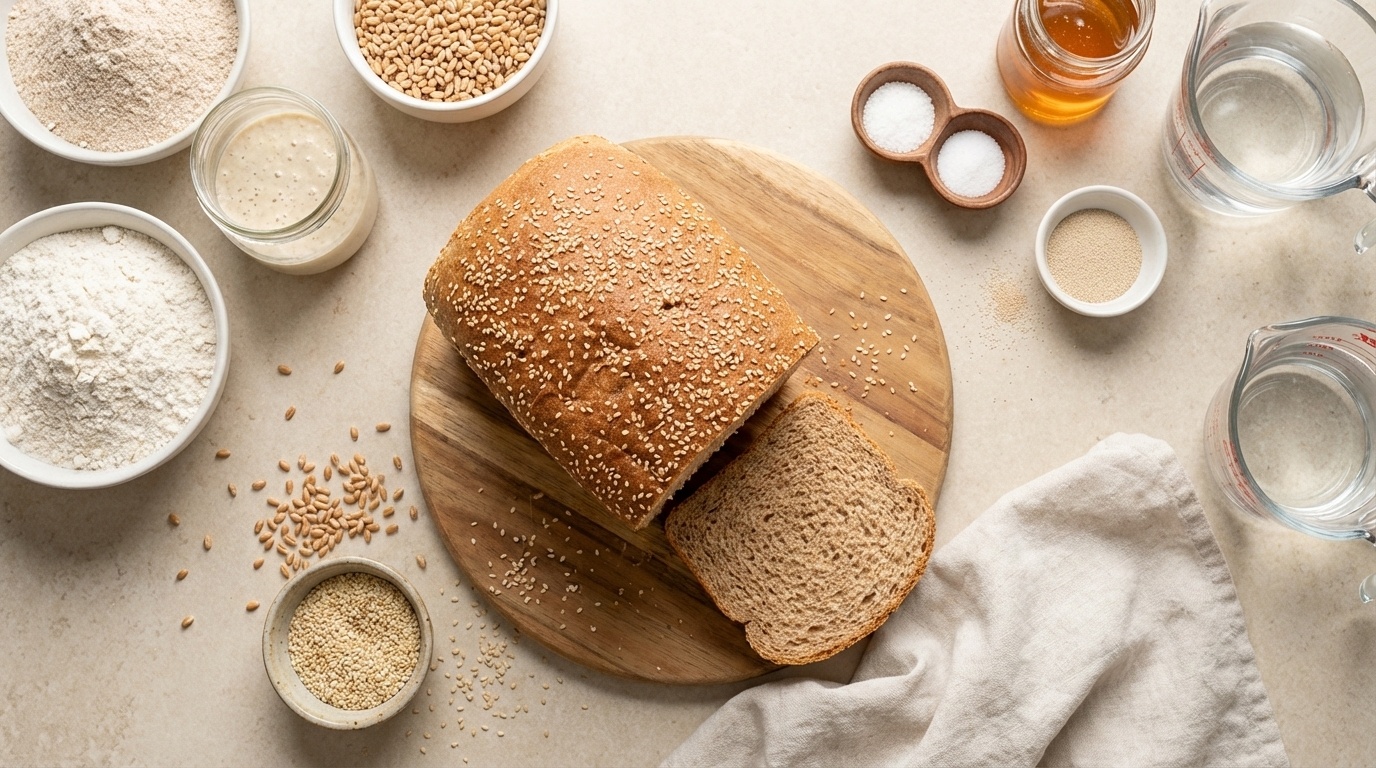
Whole-Wheat Bread
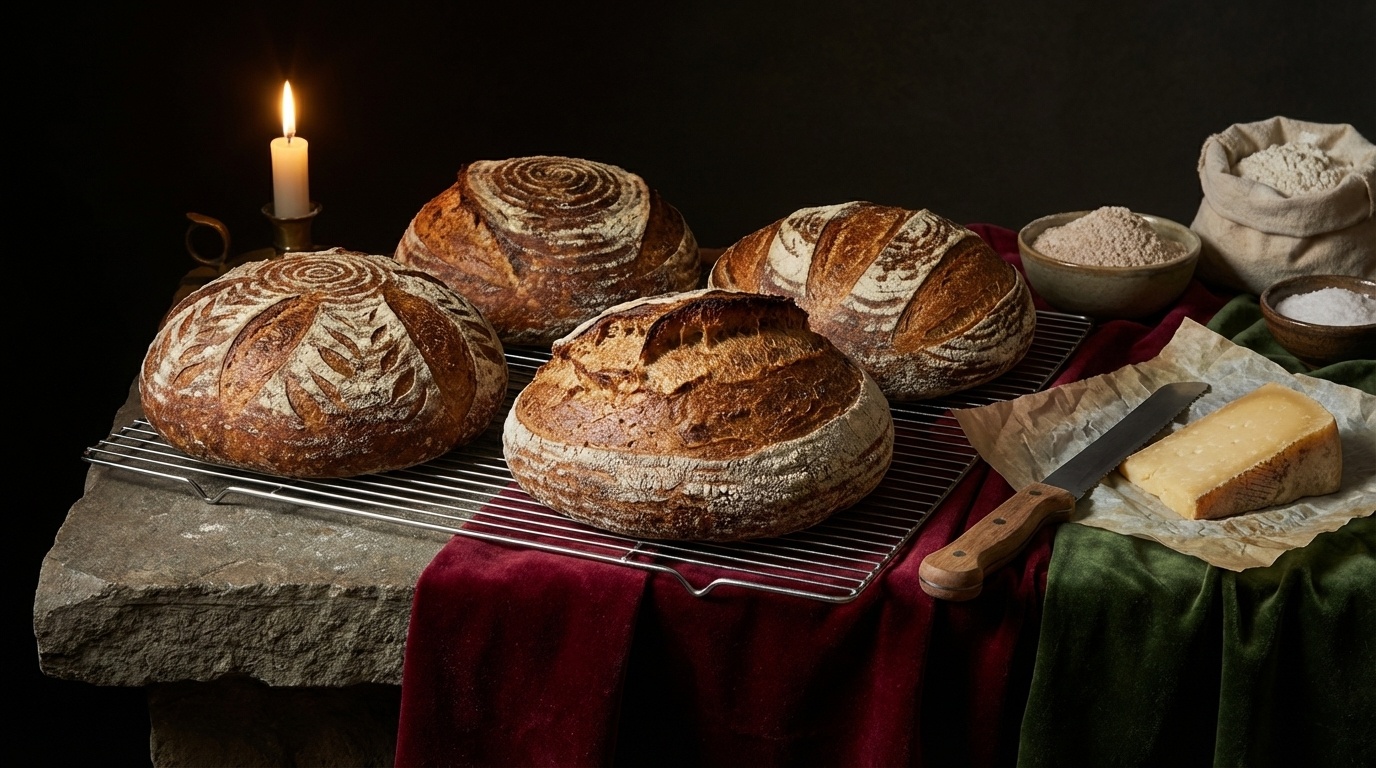
Poilâne-Style Miche
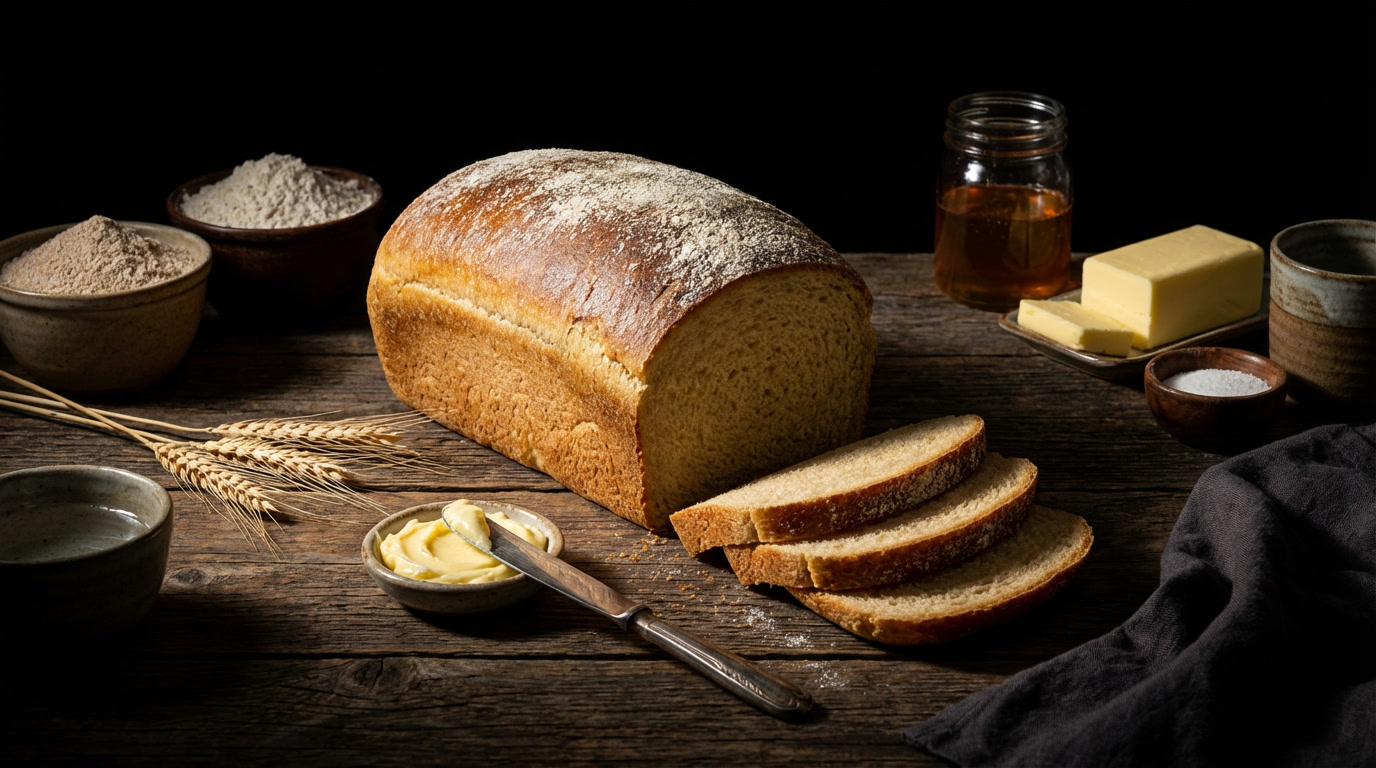
Light Wheat Bread