Pad Thai
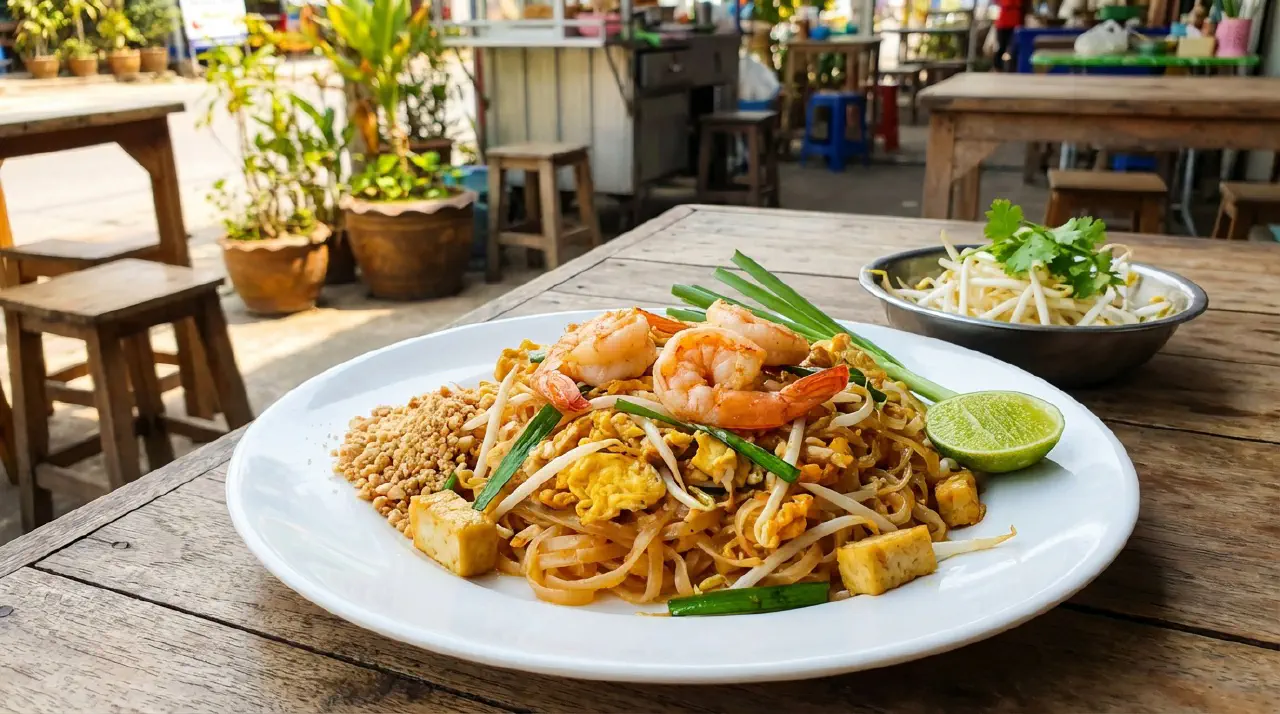
Pad Thai © kvalifood.com
Thailand’s most famous stir-fried noodle dish, created around World War II as a national dish using Thai (rather than Chinese) ingredients and flavours. That’s why it contains no soy sauce or oyster sauce - just tamarind, fish sauce, and palm sugar. The balance of sweet, sour, and salty is the whole point. Serves 2-3, about 15 minutes of active cooking plus 1 hour to soak the noodles.
Ingredients
Serves 2-3
The sauce
- 3 Tbsp palm sugar, finely chopped, packed
- 3 Tbsp water
- 60 ml tamarind juice
- 2 Tbsp fish sauce
The rest
- 125 g dry rice noodles, medium size (2 1/2-3 mm)
- 125 g pressed tofu, cut into small pieces (about 3/4 cup)
- 60 ml sweet preserved daikon radish (chai po waan), finely chopped
- 3 cloves garlic, chopped
- 1 shallot, chopped
- 1 Tbsp dried shrimp, rinsed and finely chopped
- 1/2-1 tsp chili flakes, to taste
- 6 dl bean sprouts
- 2 ¼ dl garlic chives, cut into 5 cm pieces
- 60 ml roasted peanuts, chopped
- 2 eggs
- 2-3 Tbsp vegetable oil
- 8-12 shrimp, peeled and deveined
- 1 lime
Directions
Soak the noodles in room-temperature water for about 1 hour, until they turn white and are pliable. Drain before cooking.
Make the sauce: combine the palm sugar and water in a heatproof bowl. Microwave for 30-45 seconds until hot, then stir to dissolve most of the sugar. Stir in the tamarind juice and fish sauce. Set aside.
Set up your mise en place before you start cooking - this goes fast. Combine the tofu, preserved radish, garlic, shallot, dried shrimp, and chili flakes in one bowl. In a second bowl, combine the bean sprouts, garlic chives, and half the peanuts. Crack the eggs into a small bowl.
Heat 2 Tbsp oil in a wok or large pan over medium-high heat. Add the shrimp and cook without moving until halfway done, then flip and finish the other side. Remove and set aside.
In the same wok, add the tofu bowl contents. Stir constantly until the garlic starts to turn golden, adding a splash more oil if it looks dry.
Add the drained noodles and pour the sauce over them. Keep tossing until all the liquid is absorbed and the noodles are cooked through. If they still feel too chewy after absorbing the sauce, add a splash of water and keep cooking until dry.
Push the noodles to one side of the wok. Pour the eggs into the empty space and scramble them slightly, swirling to spread them wide. When the eggs are about 50% set, place the noodles on top and let sit for 10-15 seconds.
Flip the noodles so the egg is now on top and stir to break up the egg. Add the bean sprout bowl contents and toss to combine. Remove from heat.
Transfer to a plate, making sure the tofu is evenly distributed (it tends to stay in the wok). Arrange the shrimp on top and sprinkle with the remaining peanuts. Serve immediately with lime - squeeze it over the noodles before eating.
Notes
- Each brand of tamarind juice varies in acidity, so taste and adjust the amount.
- Fish sauce flavour is prominent in this dish, so use a good-quality, fresh bottle.
- Pressed tofu (sometimes labelled “bean curd”) is firm enough to toss in the wok without breaking. Extra-firm tofu works too - cut it small and fry until golden first.
- You can serve extra bean sprouts, peanuts, chili flakes, and garlic chives on the side. Fresh banana blossoms are also traditional if you can find them.
- The sauce can be made in advance and stored in the fridge. Noodles can be soaked, drained, and refrigerated in a sealed container ahead of time.
See Also
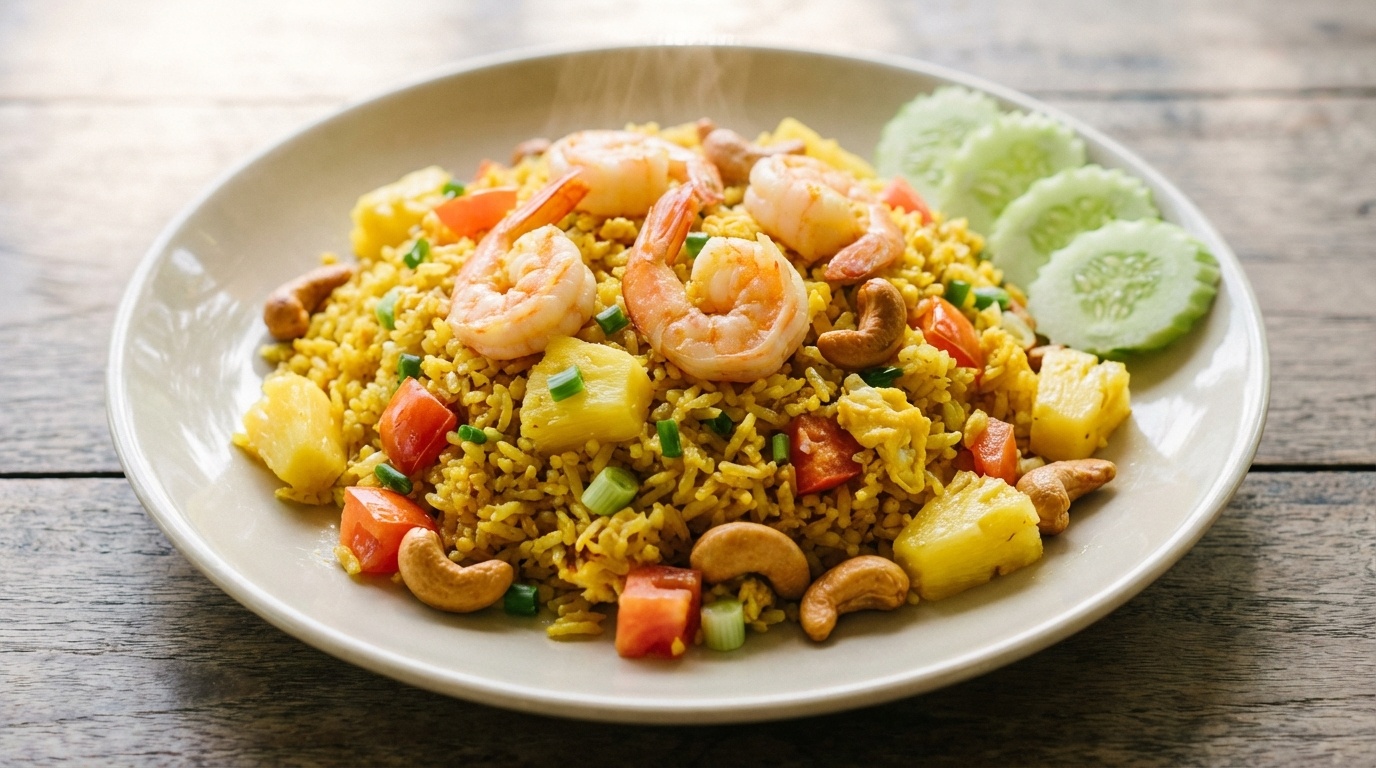
Pineapple Fried Rice (Kao Pad Sapparod)
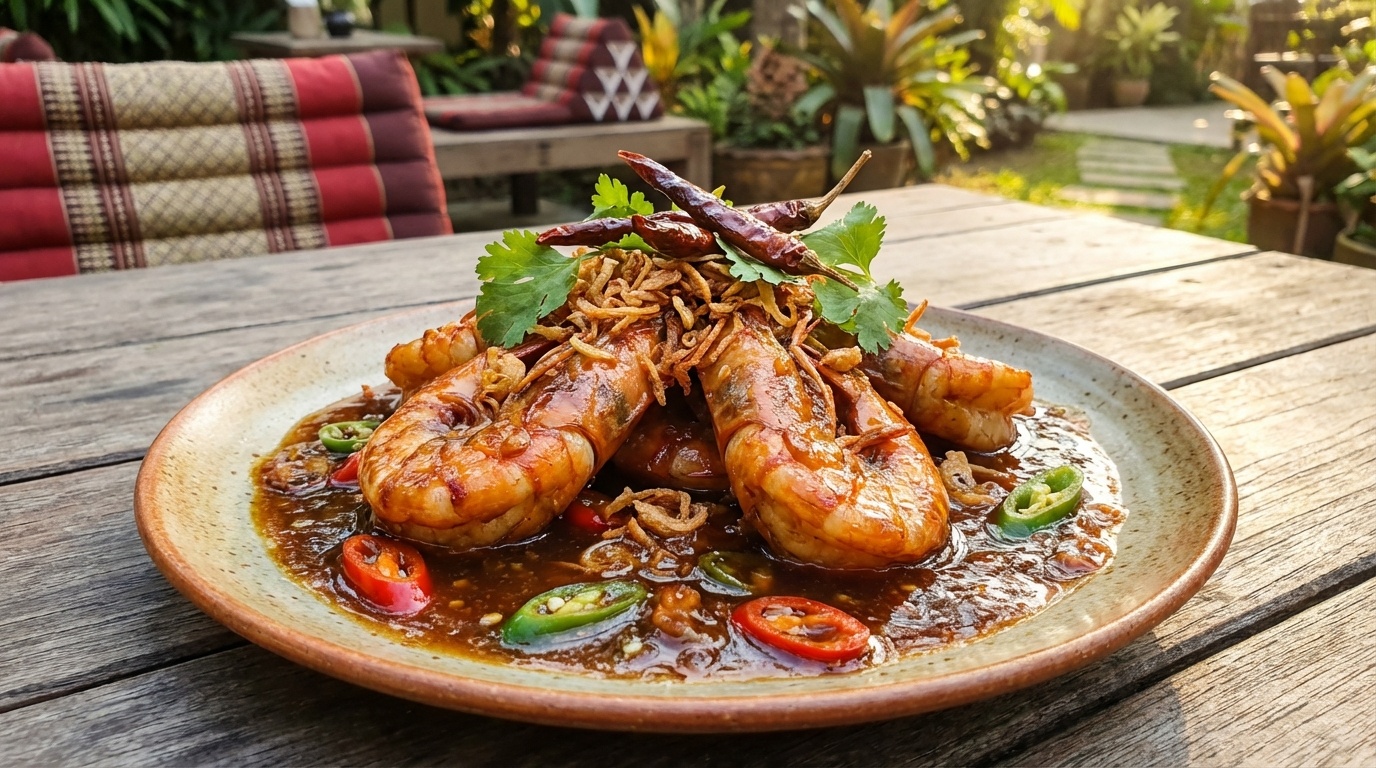
Tamarind Shrimp (Goong Pad Makaam)
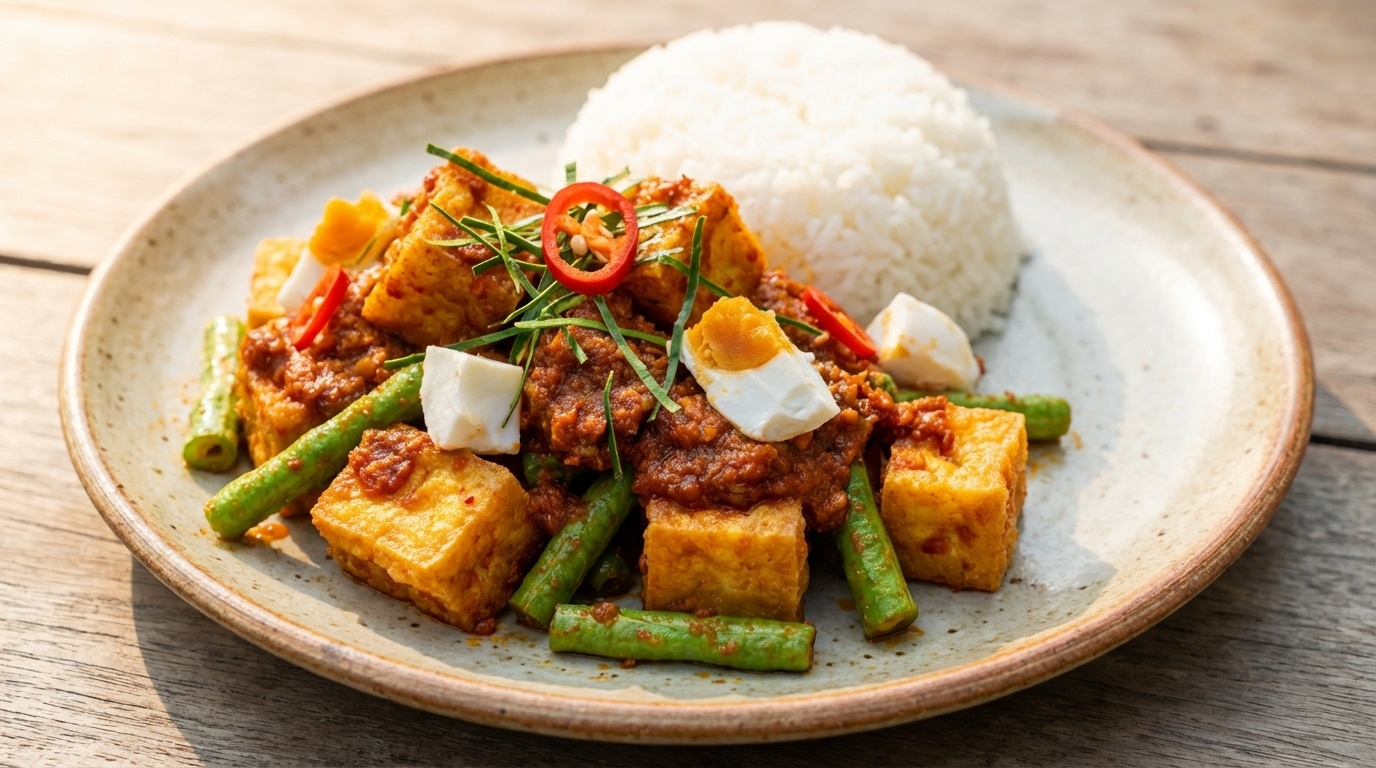
Red Curry Stir-Fry with Tofu and Long Beans (Tao Hoo Pad Prik King)
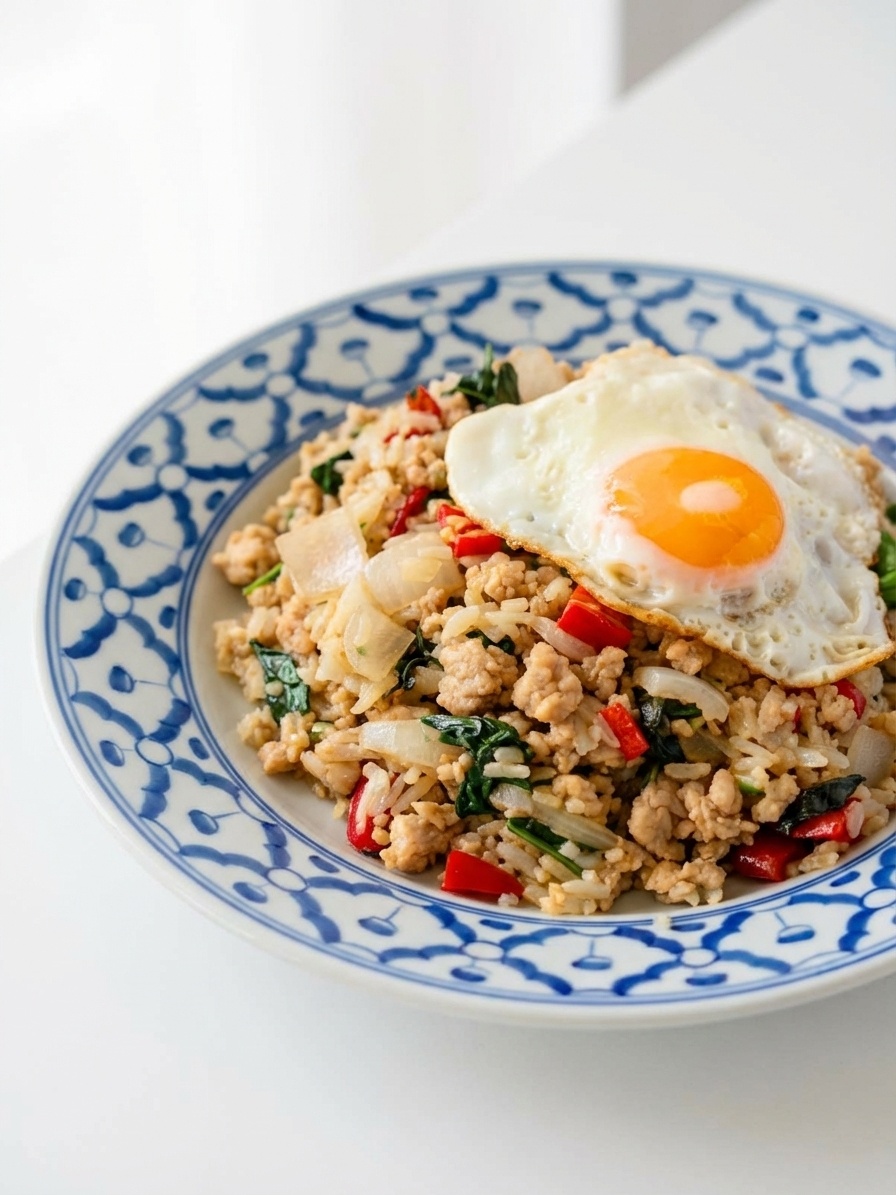
Holy Basil Chicken Fried Rice with Fried Egg (Kao Pad Gaprao Gai Kai Dao)
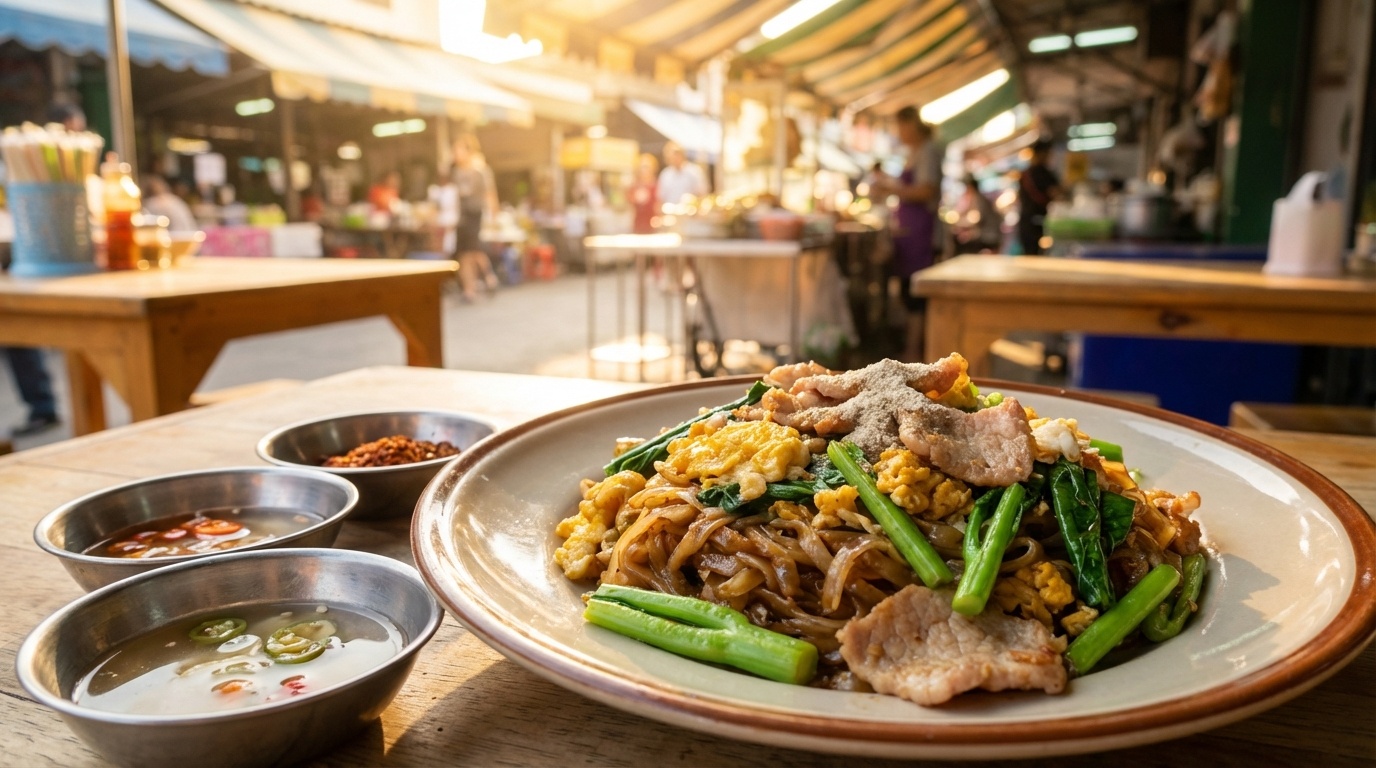
Stir-Fried Rice Noodles with Soy Sauce and Chinese Broccoli (Pad See Ew)