Portuguese Sweet Bread
Portuguese Sweet Bread © kvalifood.com
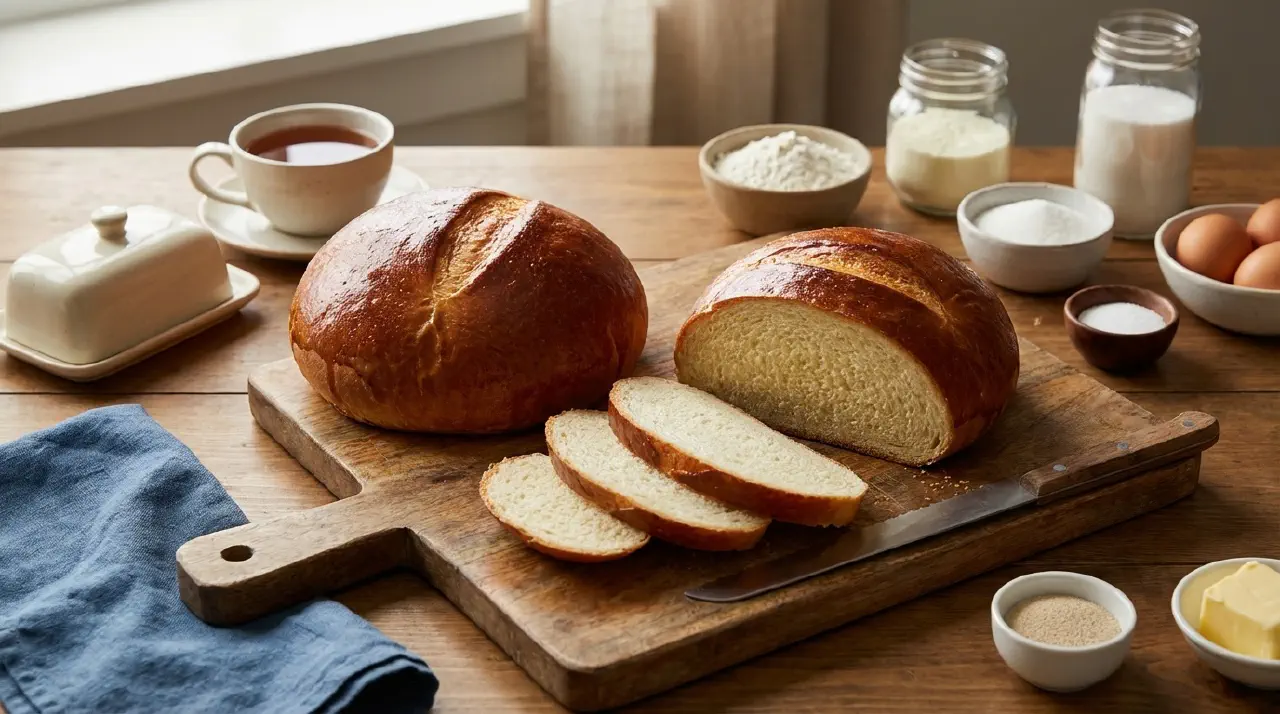
A soft, rich, slightly sweet loaf enriched with powdered milk, eggs, and butter. This bread is particularly popular on the East Coast and works beautifully for sandwiches, French toast, or bread pudding.
Ingredients
Makes 2 1-pound loaves
Sponge
- 65 g unbleached bread flour
- 1 tbsp granulated sugar
- 2¼ tsp instant yeast
- 110 g water, room temperature
Dough
- 6 tbsp granulated sugar
- 1 tsp salt
- 35 g powdered milk
- 2 tbsp unsalted butter, room temperature
- 2 tbsp vegetable shortening
- 95 g large eggs
- 1 tsp lemon extract
- 1 tsp orange extract
- 1 tsp vanilla extract
- 380 g unbleached bread flour
- About 6 tbsp water, room temperature
Egg Wash
- 1 egg whisked with 1 tsp water
Directions
Make the sponge by stirring together the flour, sugar, and yeast in a small bowl. Add the water and stir until all ingredients are hydrated and the mixture forms a smooth batter. Cover with plastic wrap and ferment at room temperature for 60 to 90 minutes, until foamy and beginning to collapse.
To make the dough, combine the sugar, salt, powdered milk, butter, and shortening in a 4-quart mixing bowl. Cream together with a sturdy spoon until smooth, then mix in the eggs and extracts. Knead by hand and mix in the sponge and flour, adding water as needed to make a very soft dough. The finished dough should be supple, easy to knead, and not wet or sticky. Knead for 10 to 12 minutes by hand (or with electric mixer) until the dough passes the windowpane test and registers 77–81°F (25–27°C). Lightly oil a large bowl, transfer the dough to it, and coat with oil. Cover with plastic wrap.
Ferment at room temperature for approximately 2 hours, or until the dough doubles in size.
Remove the dough from the bowl and divide into 2 equal pieces. Form each into a boule. Lightly oil two 9-inch pie pans and place 1 boule seam side down in each. Mist with spray oil and cover loosely with plastic wrap.
Proof at room temperature for 2 to 3 hours, or until the dough fills the pans fully and overlaps the edges slightly. (Alternatively, retard the second loaf in the refrigerator for 1 day; it will need 4 to 5 hours of proof after coming out of the refrigerator.)
Preheat the oven to 350°F (175°C) with the rack on the middle shelf. Very gently brush the loaves with egg wash.
Bake for 50 to 60 minutes, or until the internal temperature reaches 190°F (88°C). After 30 minutes, check the loaves and rotate 180 degrees if necessary for even baking. The dough browns quickly due to the high sugar content, but will not burn; the final color will be a rich mahogany brown.
Remove the bread from the pans and transfer to a cooling rack. The bread will soften as it cools, becoming very soft and squishy. Allow to cool for at least 90 minutes before slicing or serving.
Notes
- Powdered milk flavor: This ingredient imparts the signature taste of this bread. Versions made with whole milk or buttermilk do not produce the same result.
- French toast base: This bread’s soft, sweet crumb makes it ideal for French toast.
- Enriched dough: High fat and sugar content requires longer kneading (about 15 minutes by hand) to fully develop gluten.
See Also
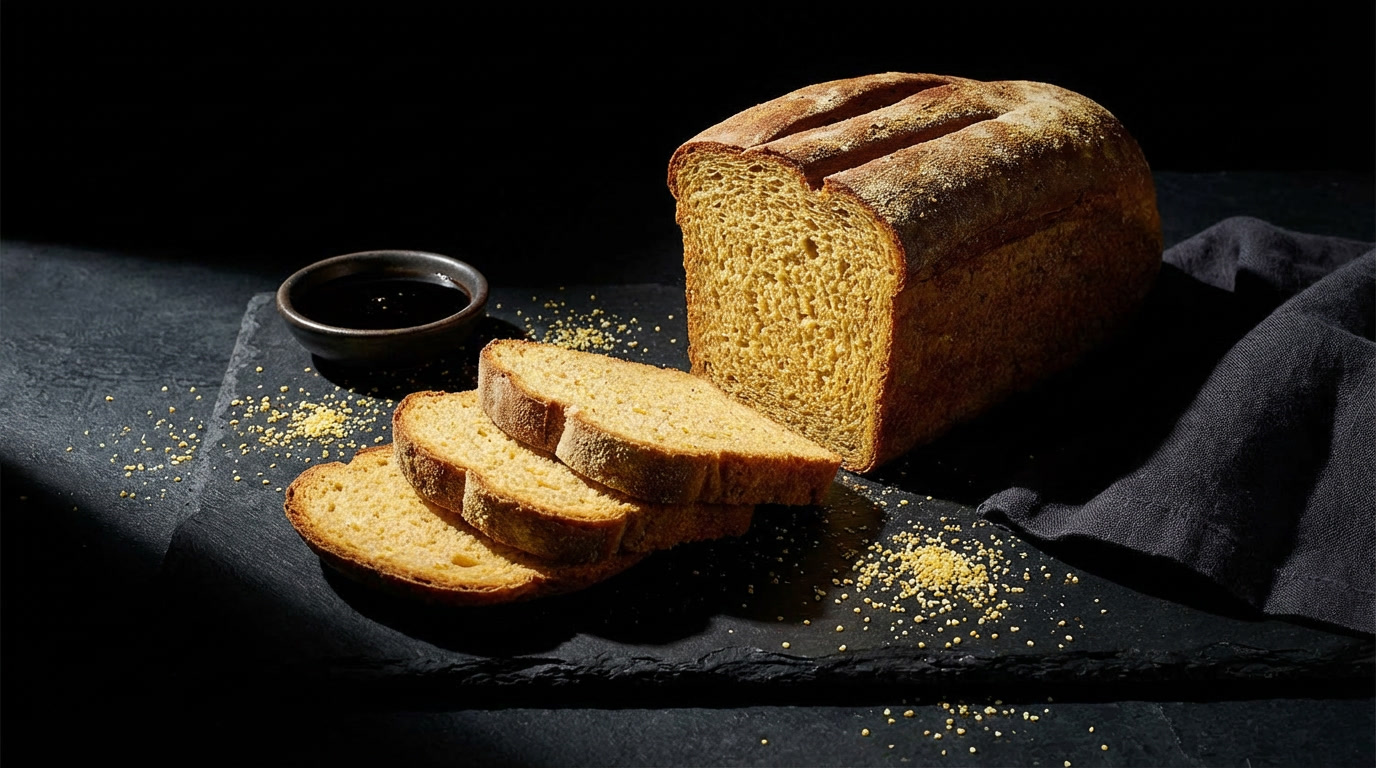
Anadama Bread
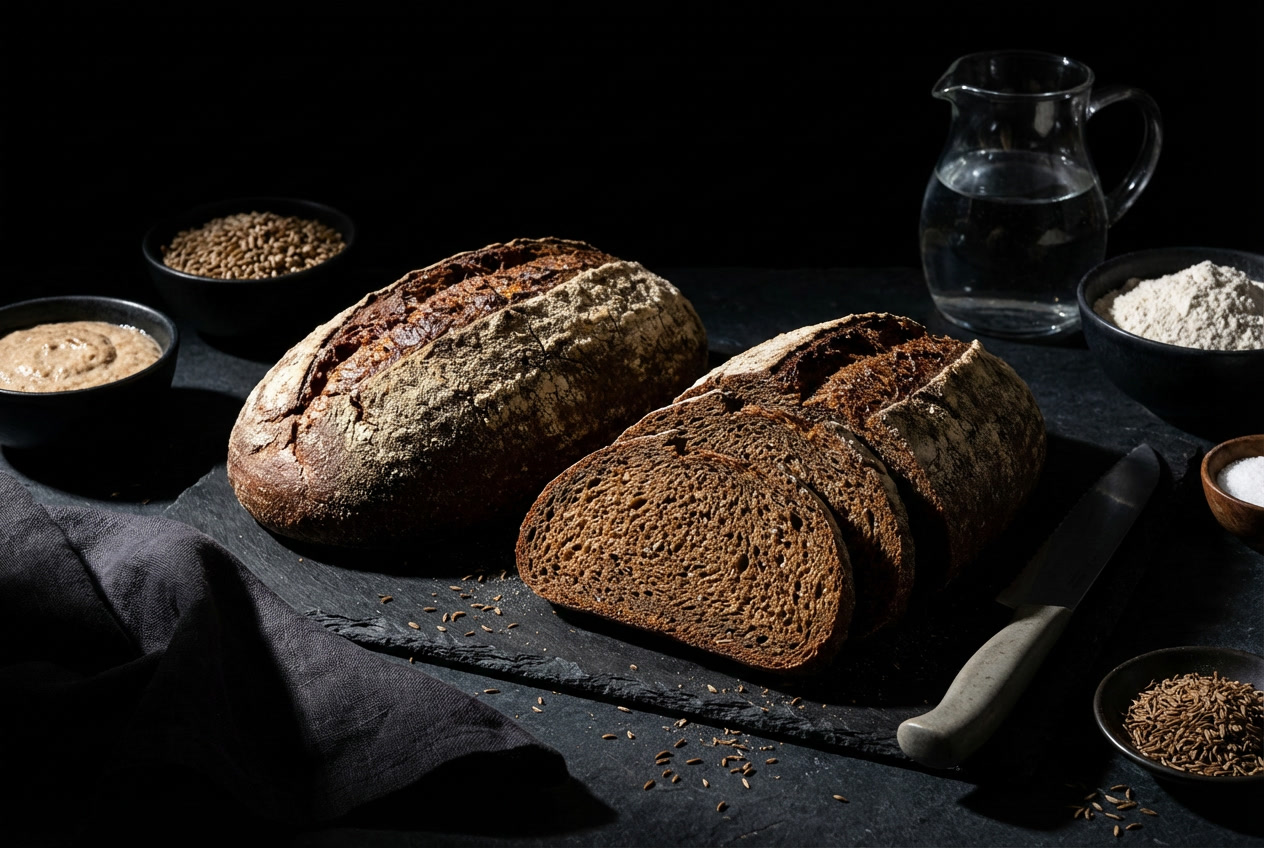
100 Percent Sourdough Rye Bread
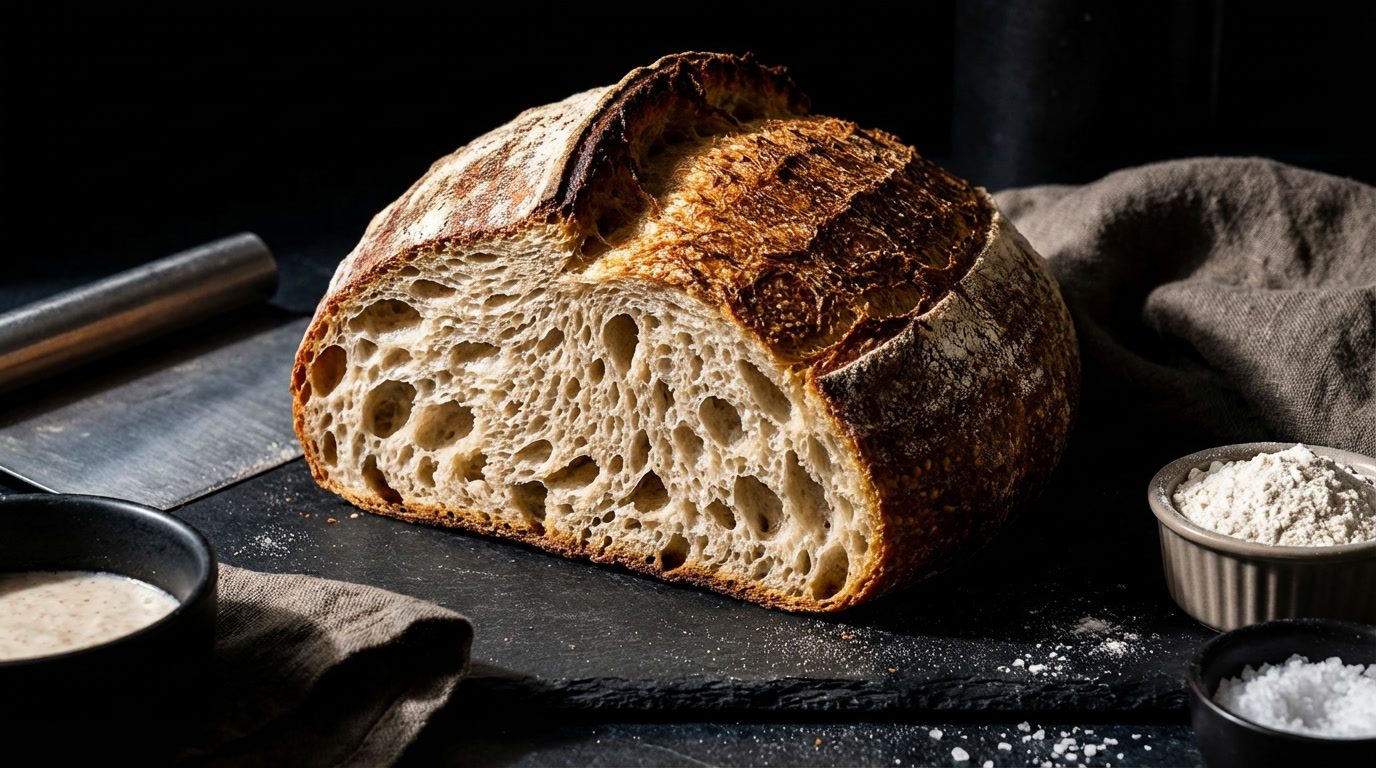
Basic Sourdough Bread