Vienna Bread
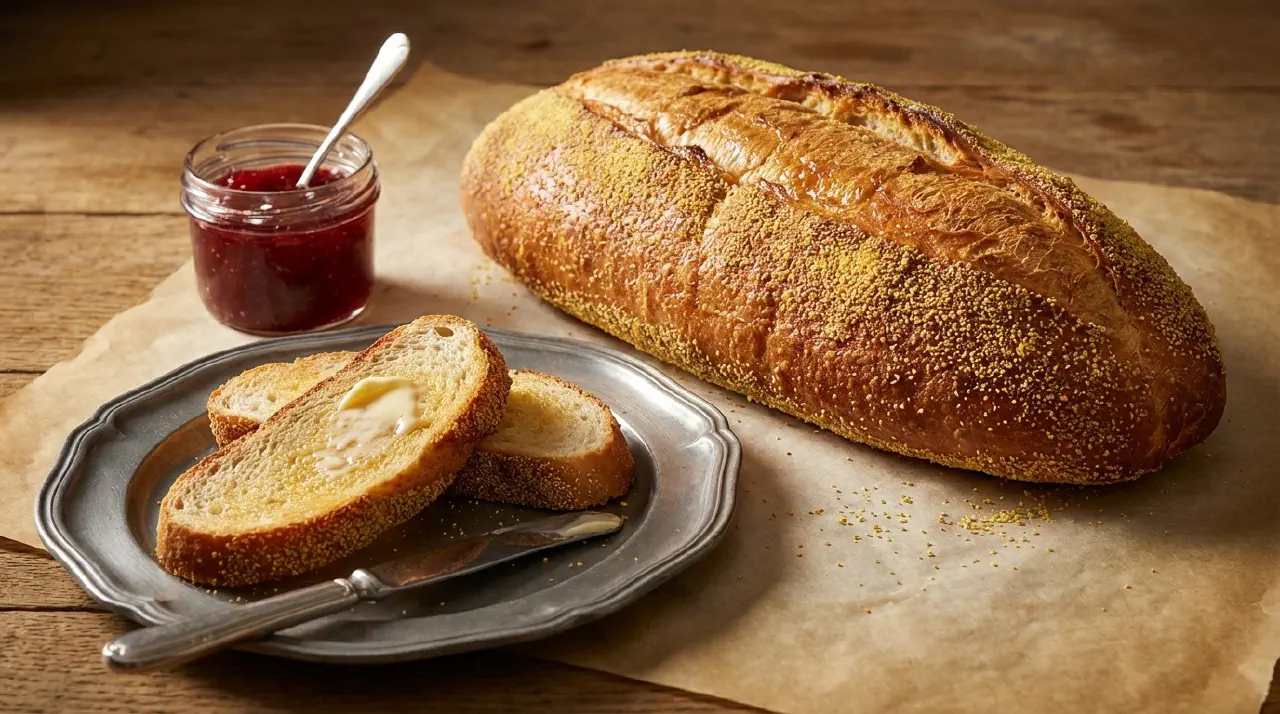
Vienna Bread © kvalifood.com
A slightly enriched European bread with a tender crumb and thinner crust than French bread, made with a pâte fermentée pre-ferment. The formula produces excellent dinner rolls, sandwich loaves, and torpedo-shaped pistolets.
Ingredients
Makes 2 1-pound loaves or 9 to 12 pistolets
- 370 g pâte fermentée (prepared the day before)
- 340 g unbleached bread flour
- 1 tablespoon (0.5 oz) granulated sugar
- 1 teaspoon (0.25 oz) diastatic barley malt powder, or 1 tablespoon (0.75 oz) barley malt syrup
- 1 teaspoon (0.25 oz) salt
- 1 teaspoon (0.11 oz) instant yeast
- 45 g large egg, slightly beaten
- 1 tablespoon (0.5 oz) unsalted butter or shortening, at room temperature or melted
- 170–200 g lukewarm water (90°F (32°C) to 100°F (38°C))
- Semolina flour or cornmeal, for dusting
Directions
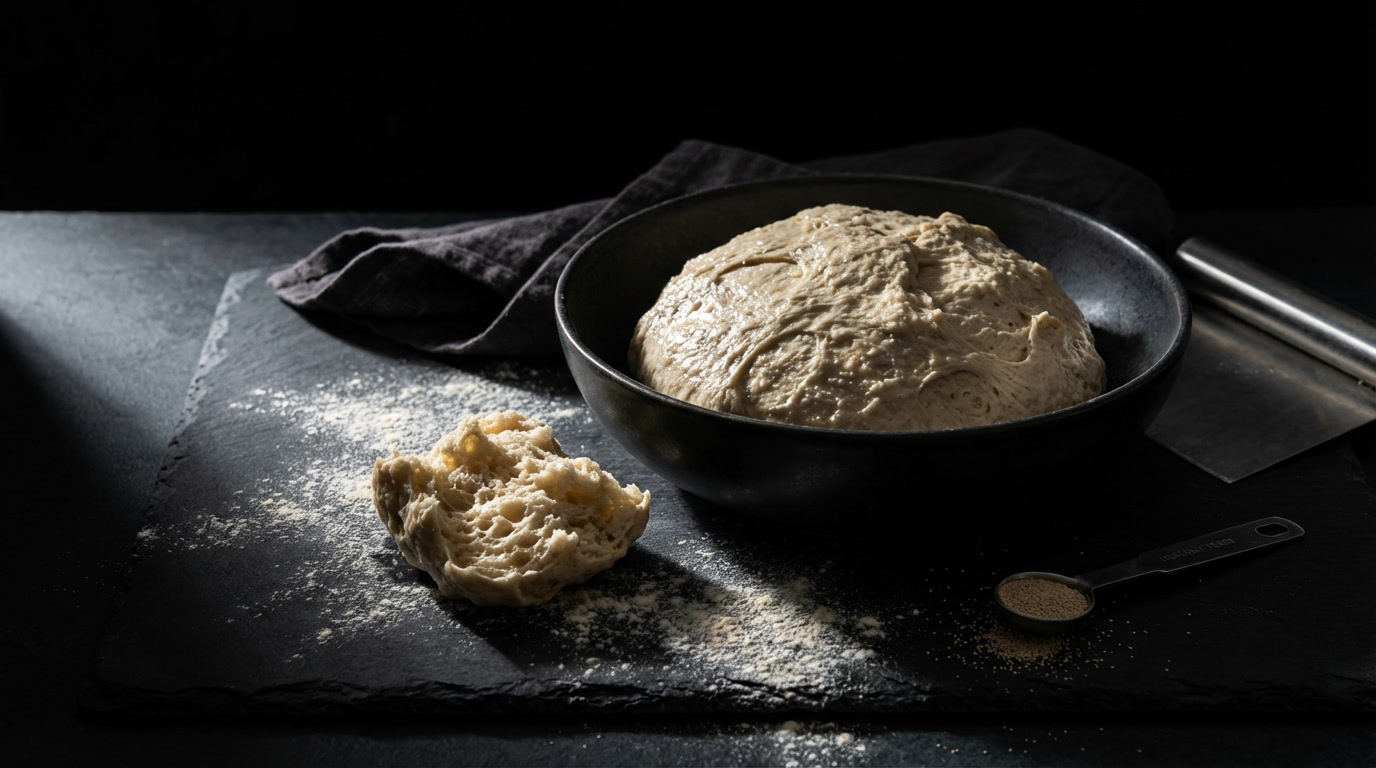
Remove the pâte fermentée from the refrigerator 1 hour before making the dough. Cut it into about 10 small pieces with a pastry scraper or serrated knife. Cover with a towel or plastic wrap and let sit for 1 hour to warm.
Stir together the flour, sugar, malt powder (if using), salt, and yeast in a 4-quart bowl. Add the pâte fermentée pieces, egg, butter, malt syrup (if using), and ¾ cup of the water. Stir with a large metal spoon until the ingredients form a ball. If the flour is not fully absorbed, add the remaining 2 tablespoons water or as much as needed to make the dough soft and supple, not firm and stiff.
Sprinkle flour on the counter and transfer the dough. Knead for about 10 minutes (or 6 minutes by machine with a dough hook), adding flour if needed to create a firm but supple dough, slightly tacky but not sticky. The dough should pass the windowpane test and register 77°F (25°C) to 81°F (27°C). Lightly oil a bowl, transfer the dough, and coat with oil. Cover with plastic wrap.
Ferment at room temperature for 2 hours. If the dough doubles in size before then, remove it from the bowl and knead briefly to degas it, then return to the bowl to continue fermenting until 2 hours have elapsed or until the dough doubles again.
Remove the dough from the bowl and divide it into 2 equal pieces for loaves, or into 9 to 12 smaller pieces (3 to 4 oz each) for pistolets. Shape larger pieces into boules or smaller pieces into tight rounds. Mist lightly with spray oil, cover with a towel or plastic wrap, and let rest for 20 minutes.
Shape the larger pieces into bâtards or the smaller pieces into pistolets. Line a sheet pan with parchment, dust with semolina flour or cornmeal, and transfer the dough to the pan. Mist lightly with spray oil and cover loosely with plastic wrap.
Proof at room temperature for 60 to 90 minutes, or until the loaves or rolls have risen to approximately 1¾ times their original size.
Prepare the oven for hearth baking with an empty steam pan in place. Preheat the oven to 450°F (230°C). Just before baking, mist the loaves or rolls with water and dust lightly with bread flour by tapping flour through a sieve or flinging it across the surface. Score the loaves or rolls down the center, or leave the rolls uncut.
Slide the loaves directly onto the baking stone with parchment, or place the sheet pan in the oven. Pour 1 cup of hot water into the steam pan and close the door. After 30 seconds, open the door, spray the oven walls with water, and close the door. Repeat spraying twice more at 30-second intervals. After the final spray, lower the oven to 400°F (205°C) and bake for 10 minutes. Rotate the breads 180 degrees if needed for even baking and continue until medium golden brown and registering at least 200°F (93°C) at the center. This should take about 5 additional minutes for rolls or up to 20 minutes for loaves.
Remove the loaves or rolls from the oven and transfer to a cooling rack. Cool for at least 45 minutes before slicing.
Notes
- Pre-ferment advantage: Using over 100% pâte fermentée adds considerable depth of flavor compared to standard Vienna bread formulas made without fermentation. The long pre-fermentation develops character that cannot be achieved by the direct dough method alone.
- Enrichments for texture: The small amounts of sugar and malt encourage browning and crust color, while butter or shortening tenderizes the dough by coating the gluten strands.
- Versatile shape: This dough works well as loaves, dinner rolls, pistolets (torpedo rolls), or even sandwich loaves baked in pans. The formula is flexible enough to accommodate different shaping needs.
- Dutch crunch topping: This dough is excellent for Dutch crunch bread, a mottled-topped variation made by brushing on a rice flour paste before baking.
See Also
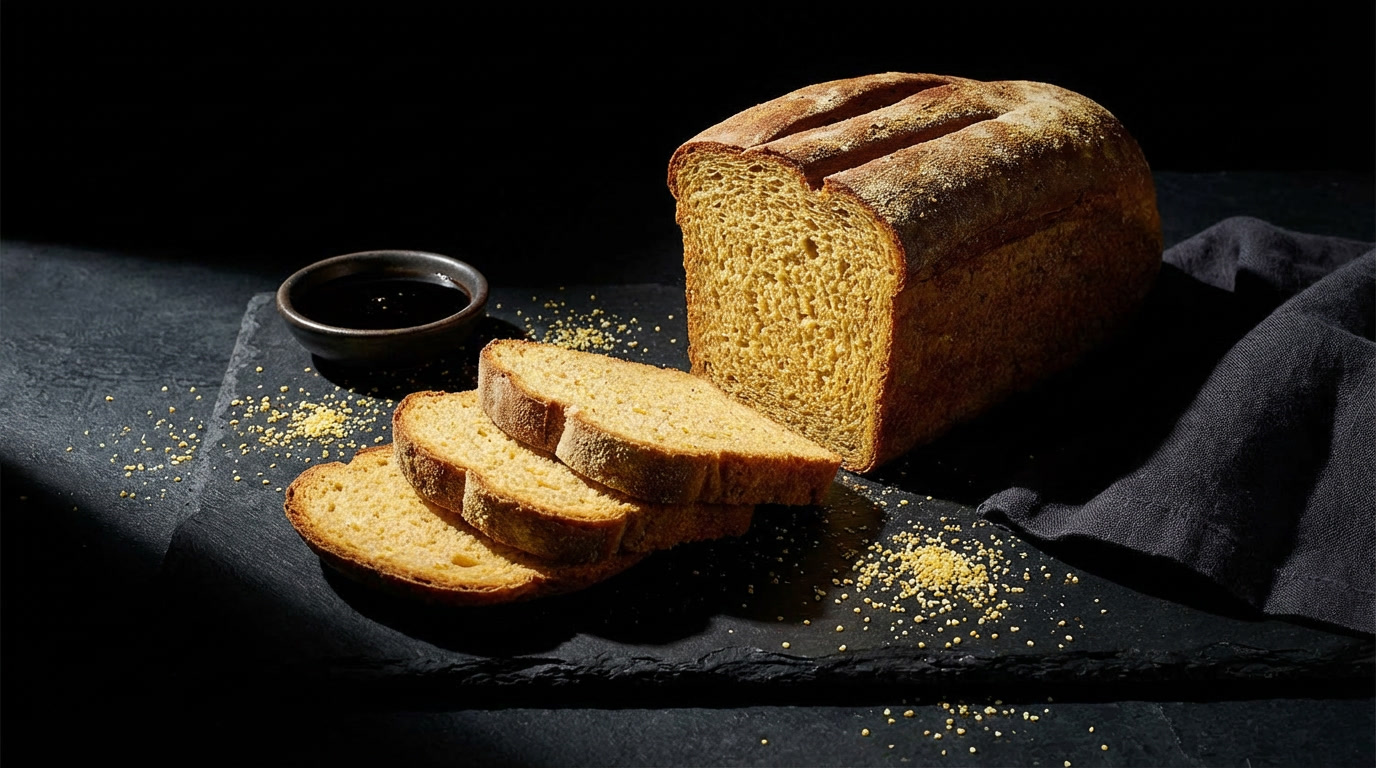
Anadama Bread
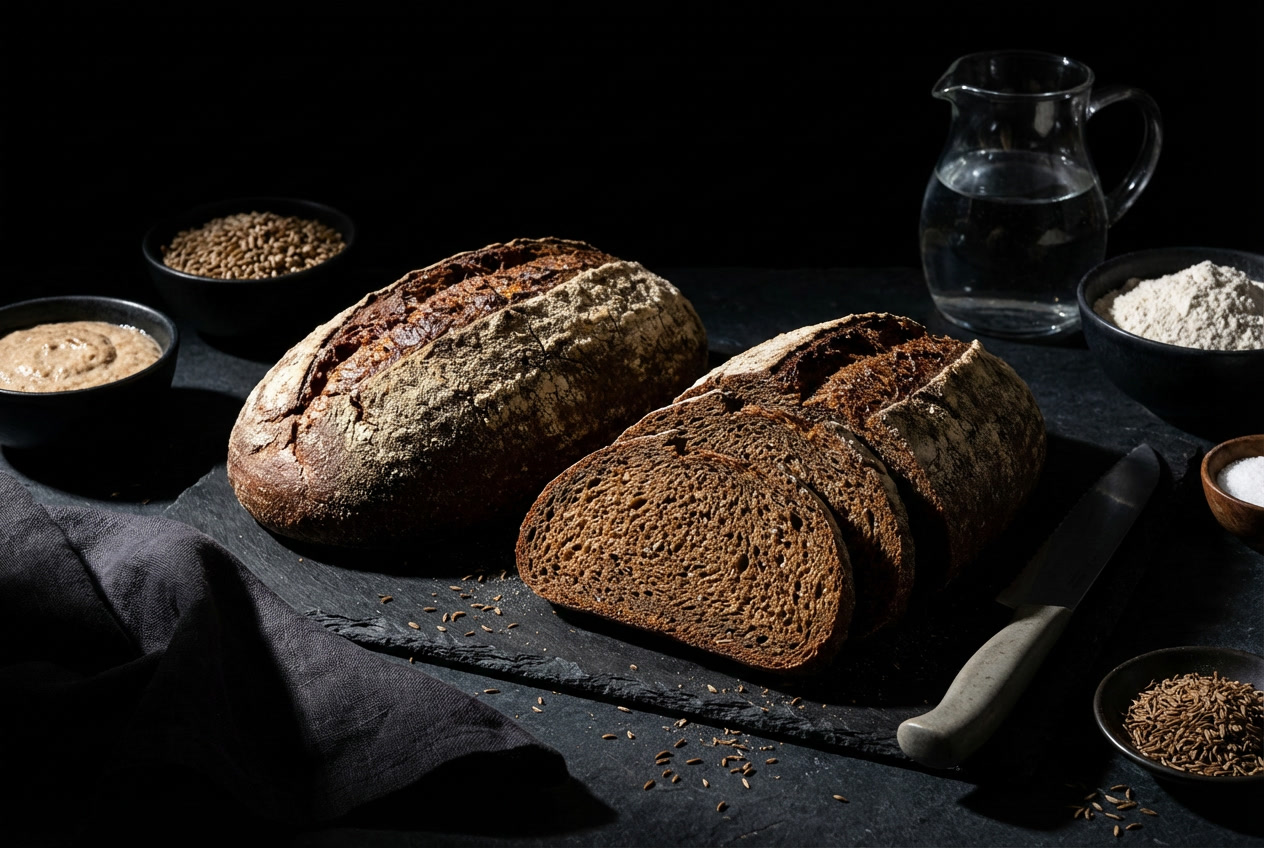
100 Percent Sourdough Rye Bread
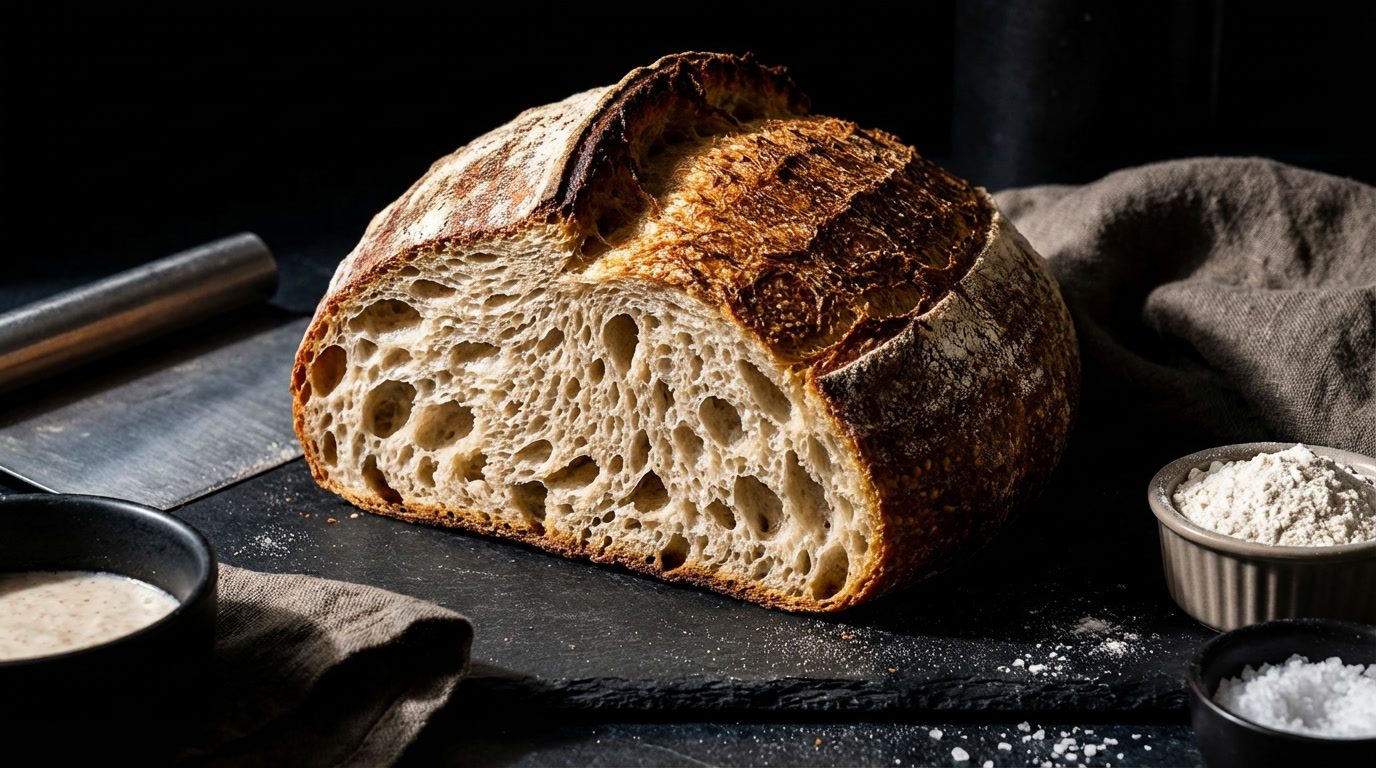
Basic Sourdough Bread