White Bread - Sponge Method (Variation 3)
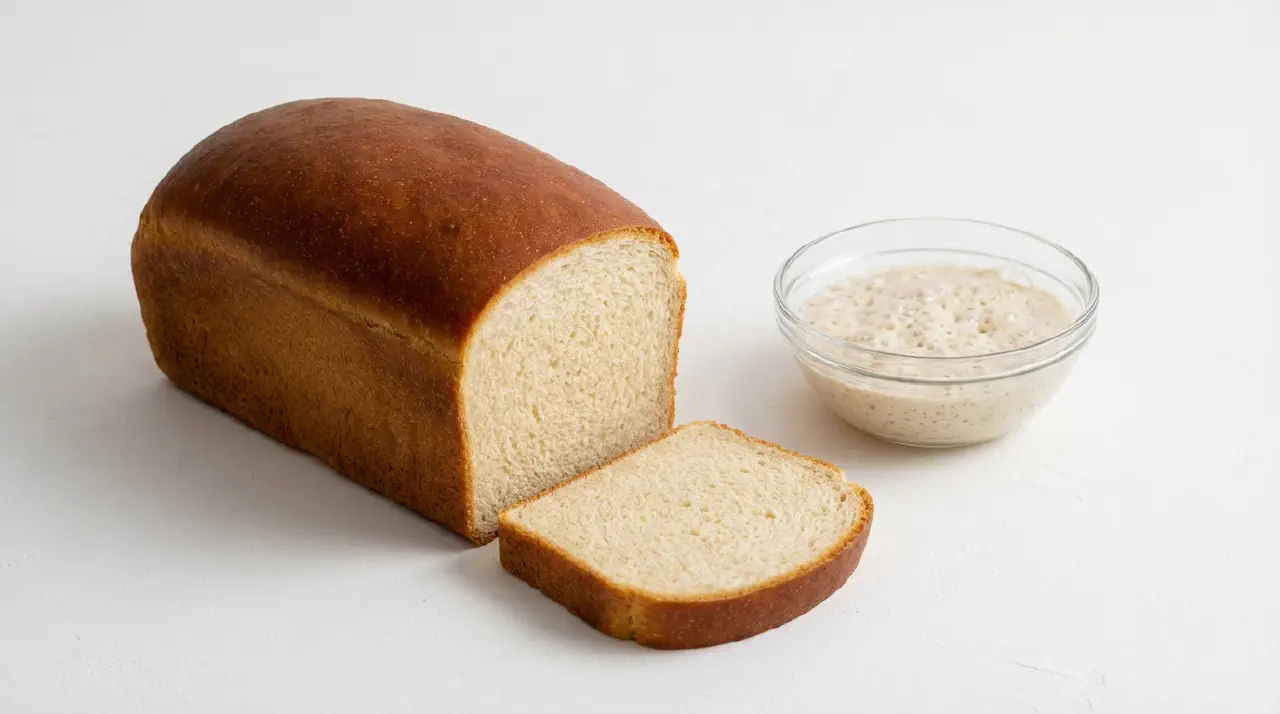
White Bread - Sponge Method (Variation 3) © kvalifood.com
A versatile enriched dough suitable for sandwich loaves, dinner rolls, burger buns, and hot dog buns. Made by the indirect method using a flour-milk sponge, which gives a slight head start on fermentation.
Ingredients
Makes 2 1-pound loaves, 18 dinner rolls, or 12 burger or hot dog buns
Sponge
- 320 g unbleached bread flour
- 6 g teaspoons instant yeast
- 340 g whole milk, lukewarm (90°F (32°C) to 100°F (38°C))
Dough
- 210 g unbleached bread flour
- 11 g teaspoons salt
- 45 g granulated sugar
- 18 g large egg yolk, slightly beaten, at room temperature
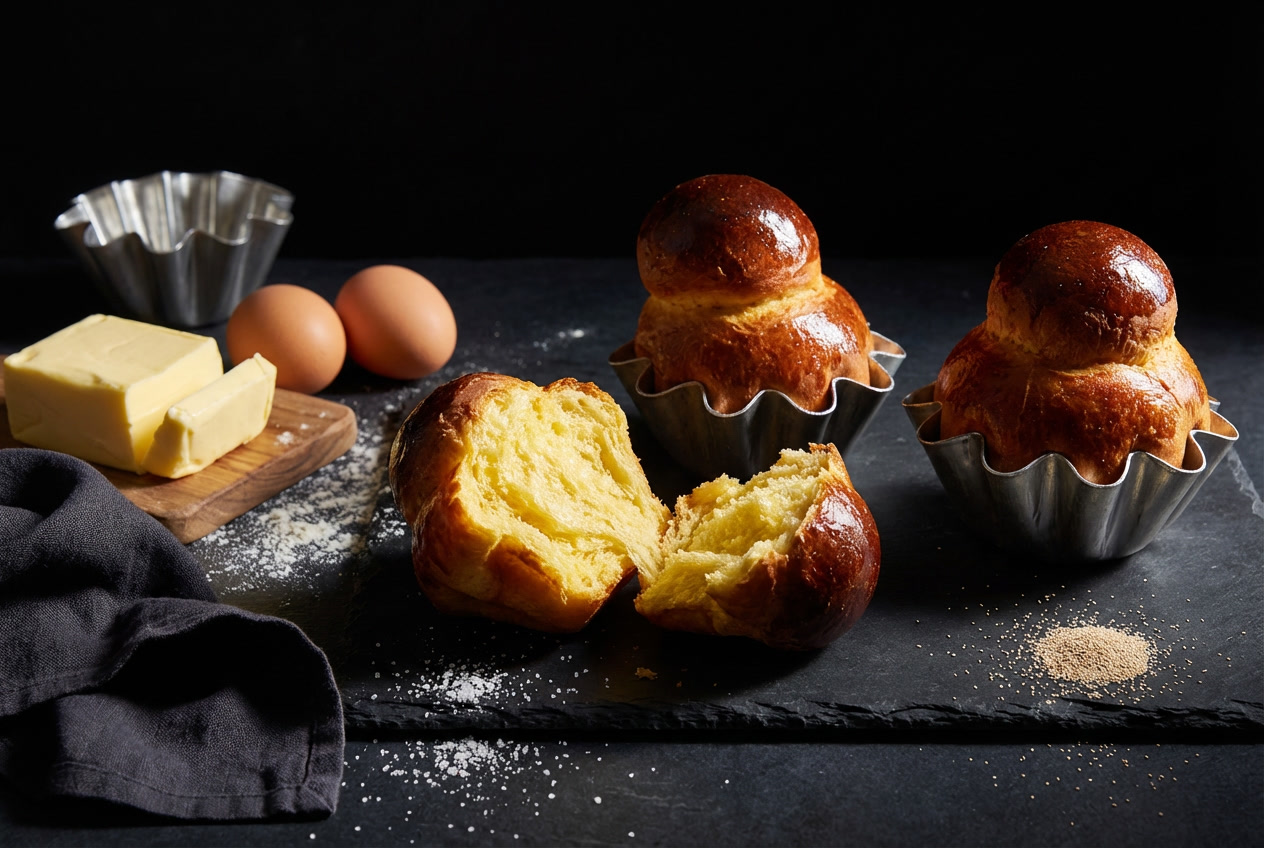
- 55 g butter, margarine, or shortening, melted or at room temperature, or vegetable oil
- 1 egg whisked with 1 teaspoon water, for egg wash (optional)
- Sesame or poppy seeds, for garnish (optional)
Directions
Make the sponge
Mix together the flour and yeast in a 4-quart bowl. Stir in the milk until all the flour is hydrated. Cover the bowl with plastic wrap and ferment at room temperature for 45 to 60 minutes, or until the sponge becomes aerated, frothy, and noticeably swelled.
Make the dough
Add the flour, salt, and sugar to the sponge. Then add the egg yolk and butter or other fat. Stir with a large metal spoon until the ingredients form a ball, adding water or flour as needed.
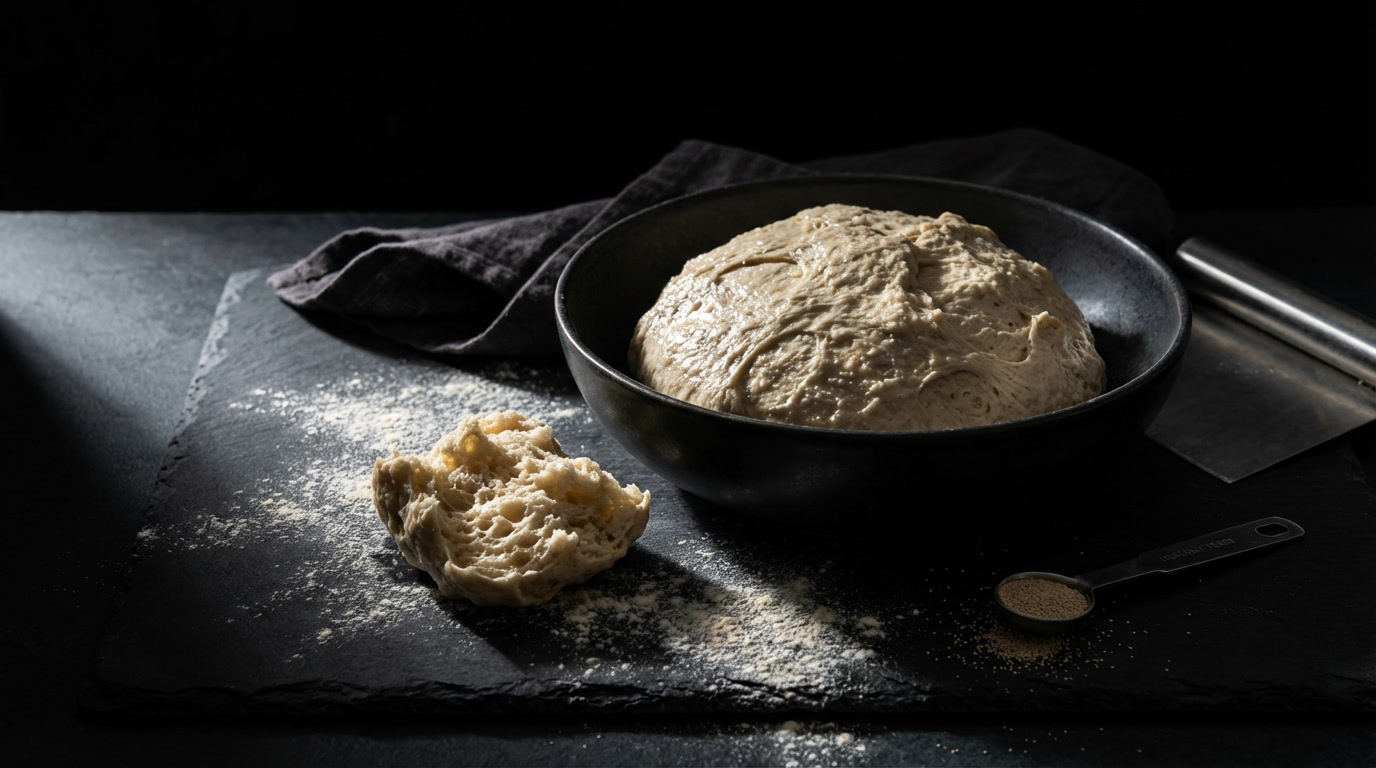
Sprinkle flour on the counter, transfer the dough, and knead (or use a dough hook), adding more flour if necessary to create a dough that is soft, supple, and tacky but not sticky. Continue kneading for 6 to 8 minutes. The dough should pass the windowpane test and register 80°F (27°C). Lightly oil a large bowl, transfer the dough, and coat with oil. Cover with plastic wrap.
Ferment at room temperature for 1½ to 2 hours (5 to 10 minutes faster than the direct method), or until the dough doubles in size.
Shape and bake
Remove the fermented dough and divide it in half for sandwich loaves, into eighteen 2-oz pieces for dinner rolls, or twelve 3-oz pieces for burger or hot dog buns. Shape pieces into boules for loaves or tight rounds for dinner rolls or buns. Mist lightly with spray oil, cover with a towel or plastic wrap, and let rest for about 20 minutes.
For loaves, shape into sandwich loaves and place in two lightly oiled 8½-by-4½-inch pans. For rolls and buns, line 2 sheet pans with parchment. Dinner rolls require no further shaping. For hamburger buns, gently press down on the rolls to form the desired shape. For hot dog buns, shape as torpedo rolls without tapering the ends. Transfer to the sheet pans.
Mist the tops of the dough with spray oil and loosely cover with plastic wrap or a towel. Proof at room temperature for 60 to 90 minutes (again 5 to 10 minutes faster than direct method), or until nearly doubled in size.
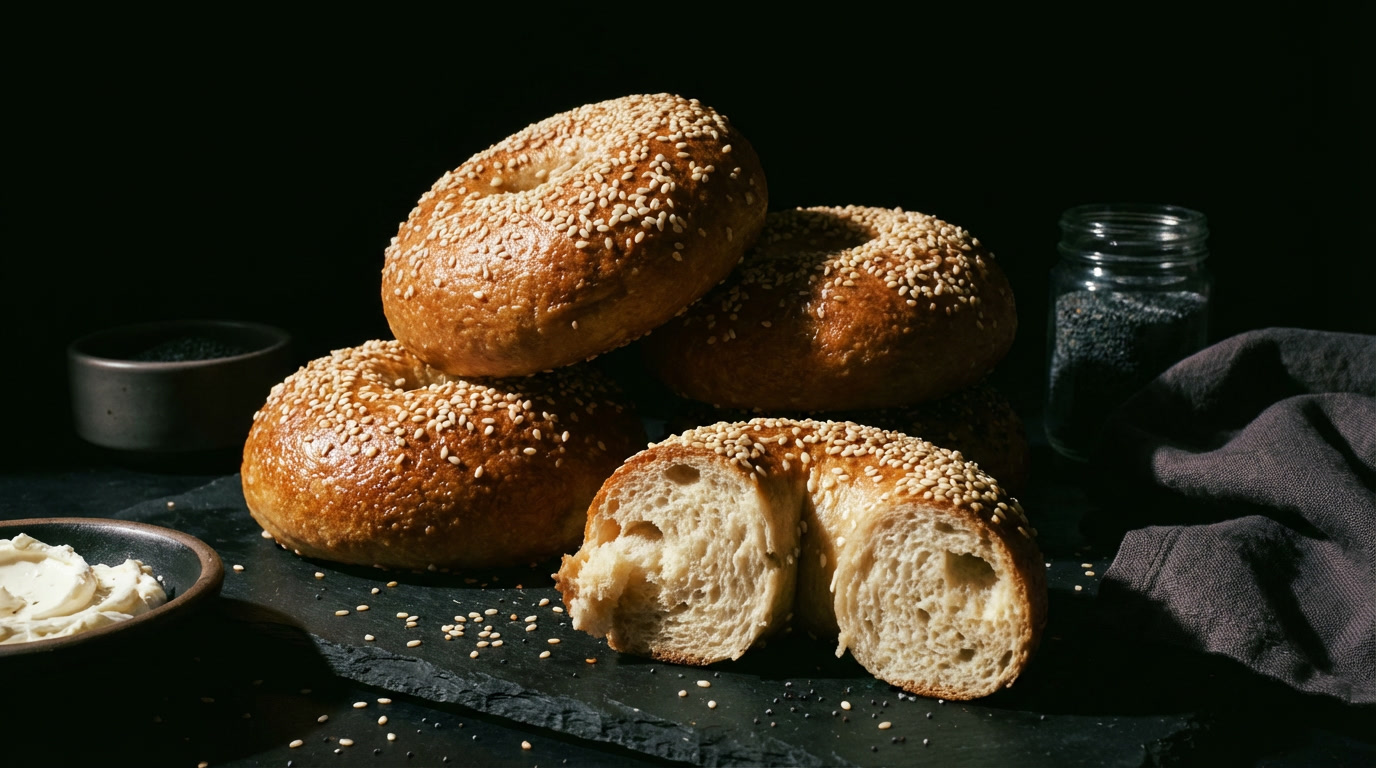
Preheat the oven to 350°F (175°C) for loaves or 400°F (205°C) for rolls and buns. Brush rolls or buns with egg wash and garnish with poppy or sesame seeds. Sandwich loaves may also be washed and garnished, or score them down the center and rub a little vegetable oil into the slit.
Bake rolls or buns for approximately 15 minutes, or until golden brown and registering just above 180°F (82°C) in the center. Bake loaves for 35 to 45 minutes, rotating 180 degrees halfway through if needed for even baking. The tops should be golden brown, and the sides (when removed from the pan) should also be golden. The internal temperature should reach close to 190°F (88°C), and the loaves should sound hollow when thumped on the bottom.
Remove loaves immediately from the pans and cool on a wire rack for at least 1 hour before slicing. Rolls should cool for at least 15 minutes on a rack before serving.
Notes
- Direct vs. sponge method: The sponge gives a slight fermentation head start but provides less flavor improvement than with leaner doughs, since enriched doughs already draw so much flavor from fat, milk, and sugar. Use it if you prefer the indirect process or want a marginally more complex crumb.
- Timing: Both fermentation and proofing run 5 to 10 minutes faster than the direct method versions.
- Fat options: Butter provides the best flavor, while shortening produces the softest texture. Margarine and vegetable oil are acceptable substitutes.
- Baking temperatures: Enriched doughs need lower temperatures than lean breads to prevent over-browning before the interior is fully baked. Never bake at 450°F (230°C) as you would with French-style breads.
- Versatility: Use plain, or add herbs, seeds, cheese, or other flavorings to suit your preference.
See Also
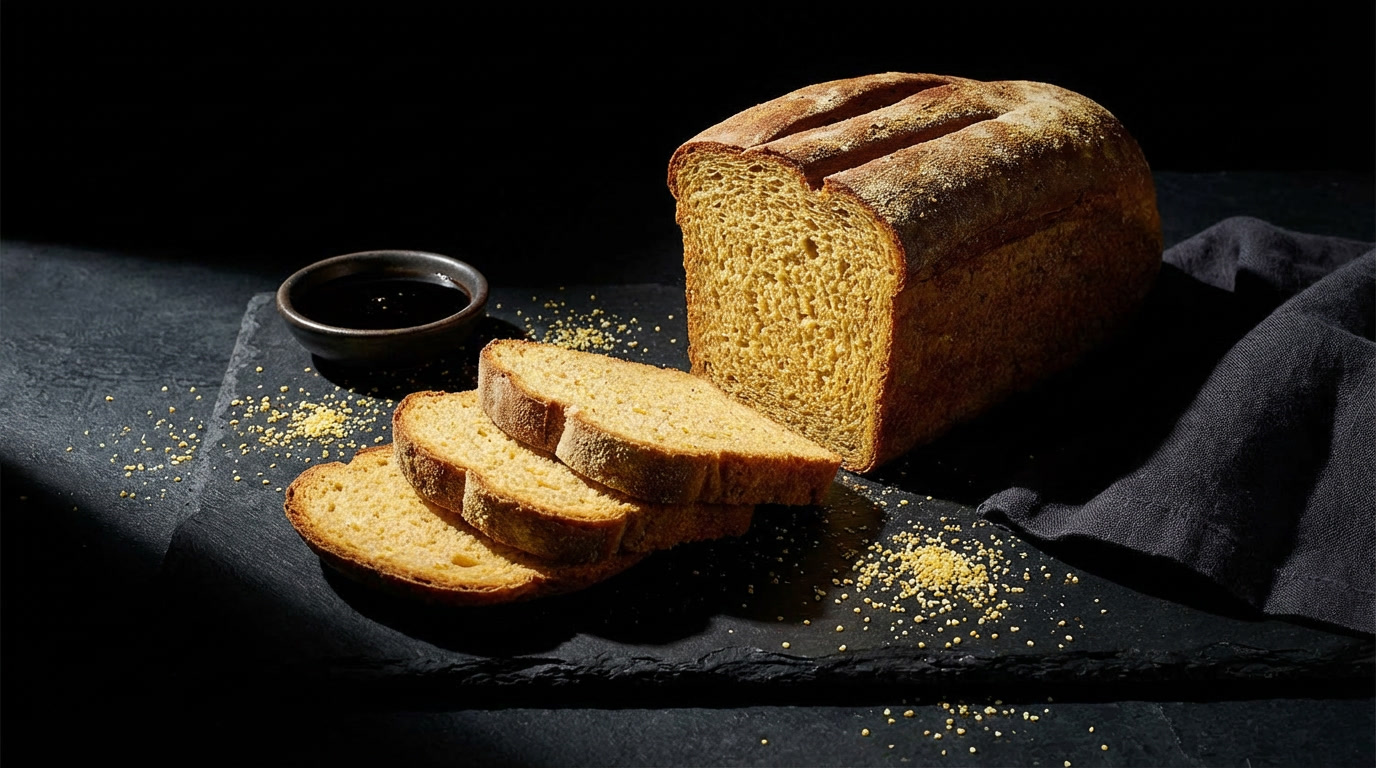
Anadama Bread
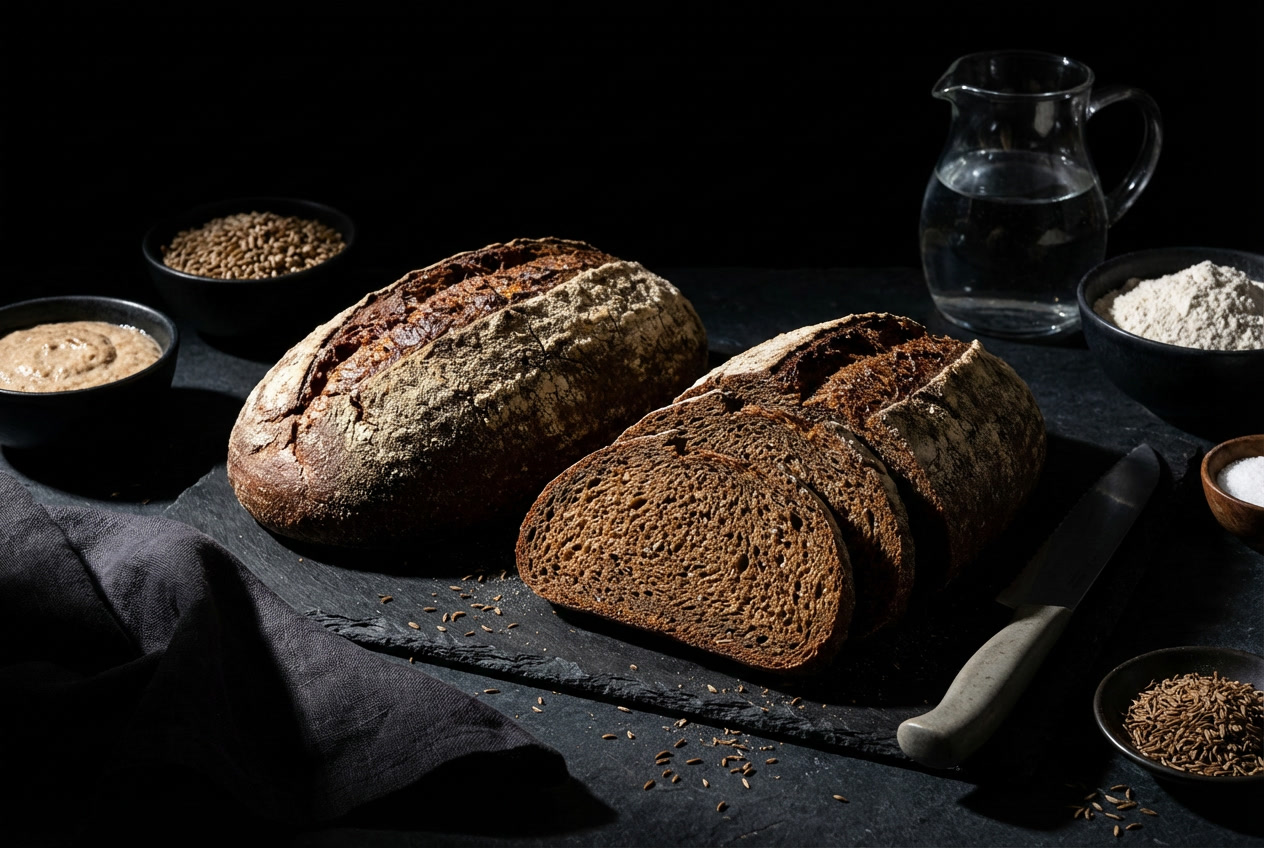
100 Percent Sourdough Rye Bread
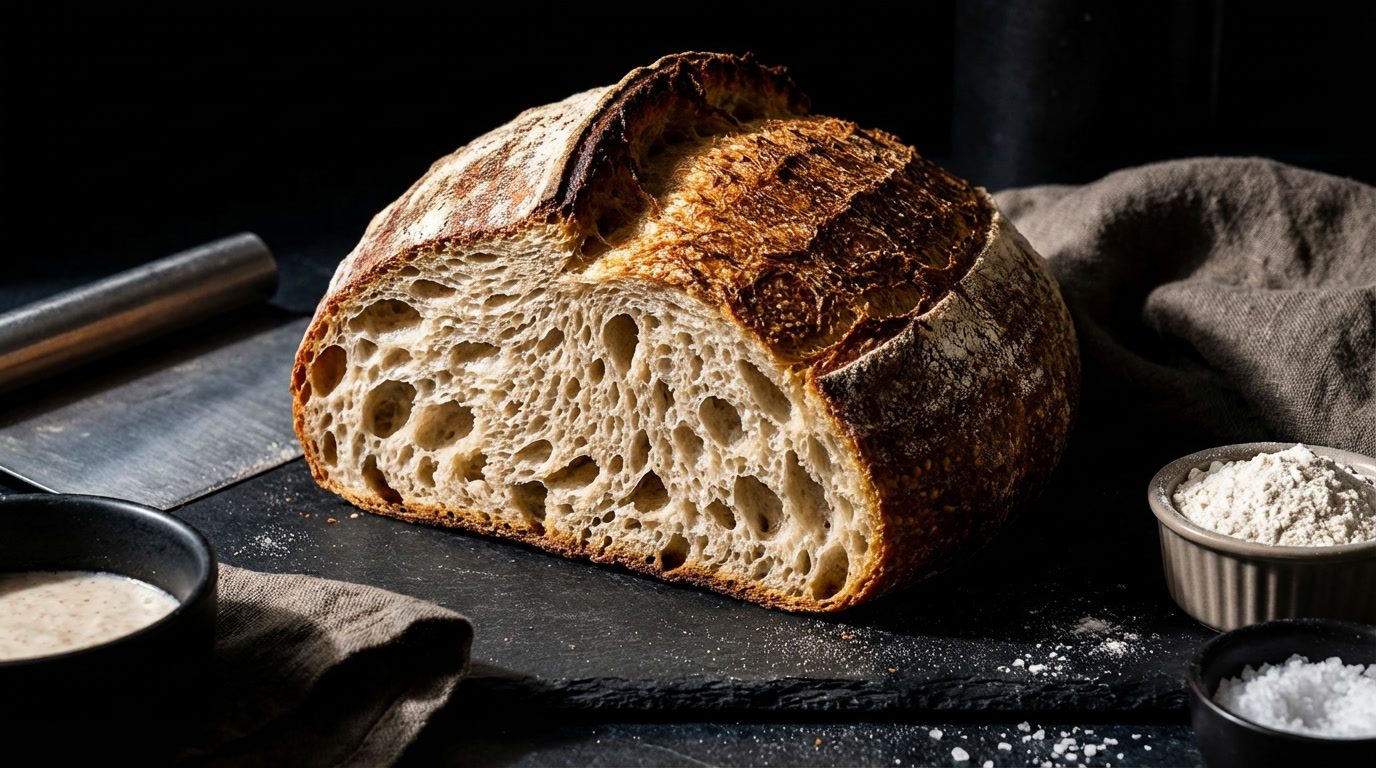
Basic Sourdough Bread