May 6, 2023
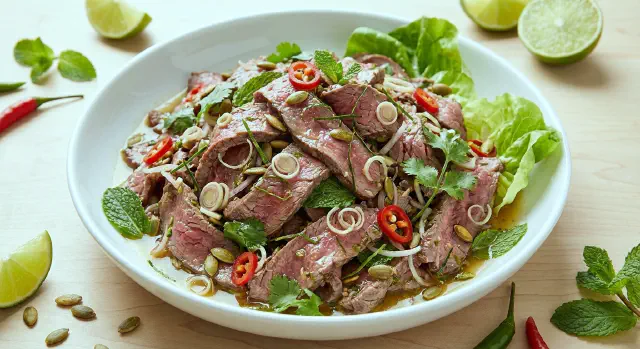
Beef Ceviche with Lemongrass (Pla Neua)
Beef Ceviche with Lemongrass (Pla Neua) © kvalifood.com
Pla neua is a Thai salad where thinly sliced beef is …
read more
August 16, 2022
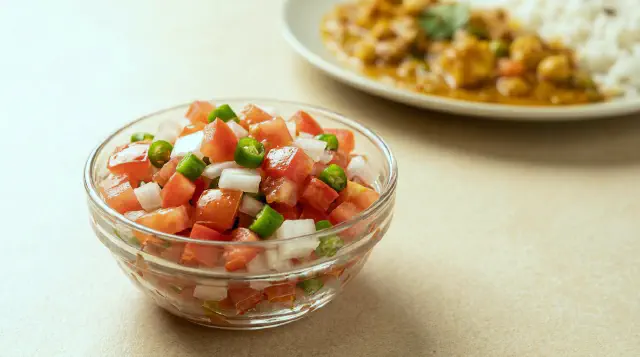
Cachumber Salad with Onion and Tomato
Cachumber is a raw Indian salad of chopped tomatoes, onion, and green chilli with a splash of wine vinegar. It works …
read more
November 13, 2020
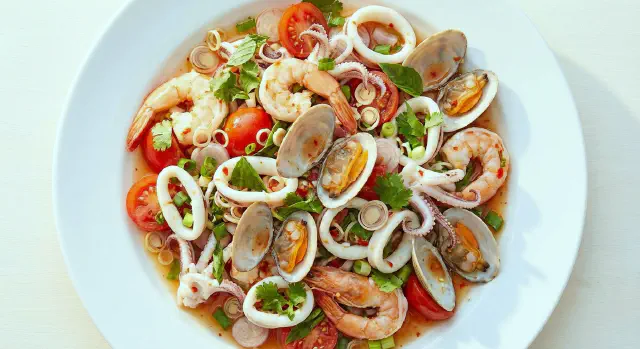
Spicy Seafood Salad (Yum Talay)
Spicy Seafood Salad (Yum Talay) © kvalifood.com
Yum talay is a Thai seafood salad dressed in a punchy lime-chili-fish …
read more
July 6, 2017
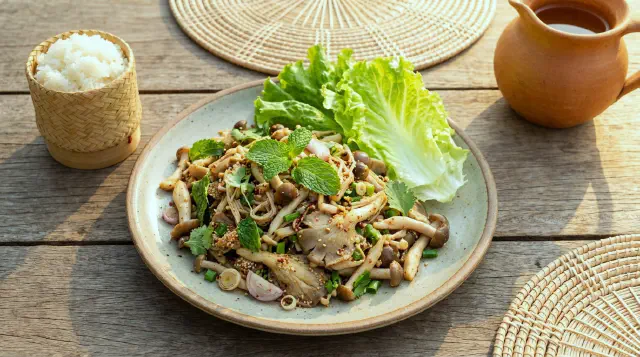
Mixed Mushroom and Mint Salad (Laab Hed Ruam)
Mixed Mushroom and Mint Salad (Laab Hed Ruam) © kvalifood.com
A northeastern Thai salad (laab) made with mixed mushrooms …
read more
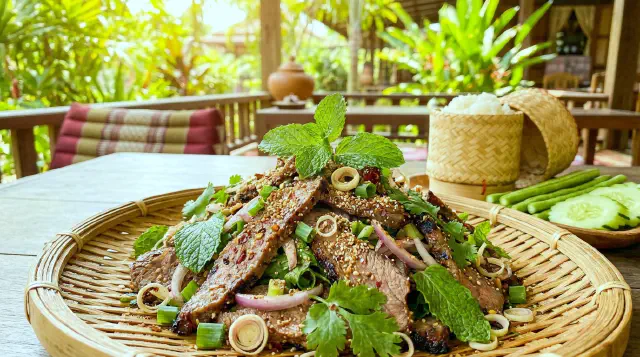
February 10, 2017
Grilled Beef or Pork Waterfall Salad (Nam Tok Neua / Nam Tok Moo)
Grilled Beef or Pork Waterfall Salad (Nam Tok Neua / Nam Tok Moo) © kvalifood.com
Nam tok is a Northeastern Thai salad …
read more
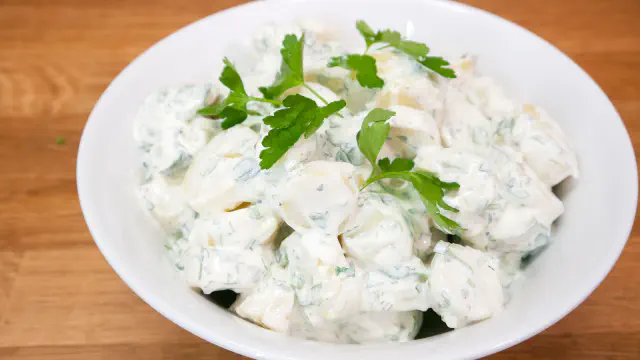
December 24, 2016
White potato salad
Normally, white potato salad is made with mayonnaise, but I prefer a white sauce made with yogurt and cream. Easy to …
read more
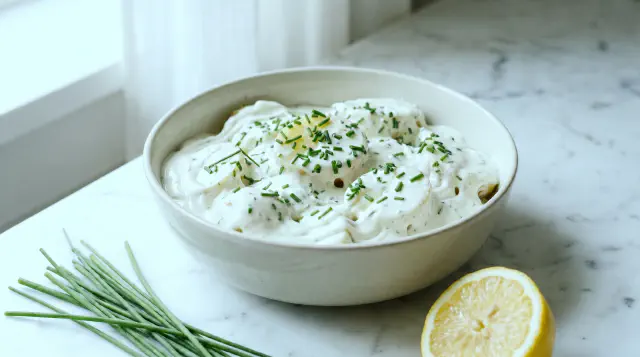
November 30, 2015
Ymer Potato Salad
Ymer potato salad © kvalifood.com
Ymer potato salad is a lighter alternative to the classic mayonnaise-based potato …
read more
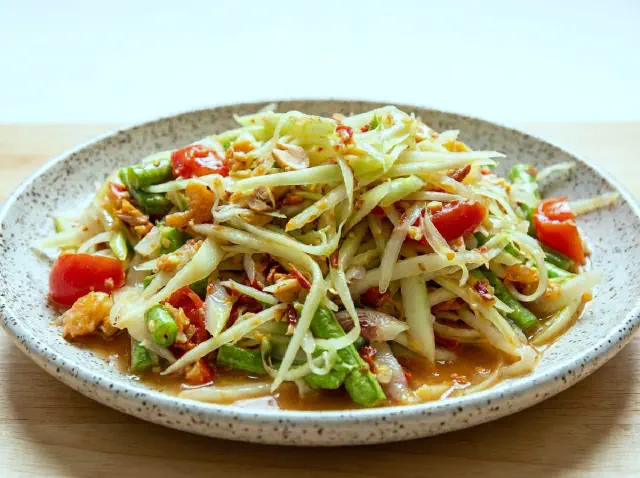
July 30, 2015
Green Papaya Salad (Som Tum)
Green Papaya Salad (Som Tum) © kvalifood.com
Thailand’s most famous salad, from the Northeastern Isaan region. …
read more
June 6, 2012
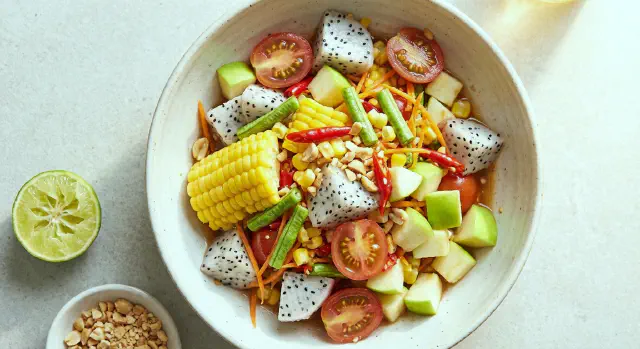
Savoury Fruit Salad (Tum Polamai)
Savoury Fruit Salad (Tum Polamai) © kvalifood.com
A spin-off of the classic papaya salad (som tum), using a mix of fresh …
read more
July 24, 2010
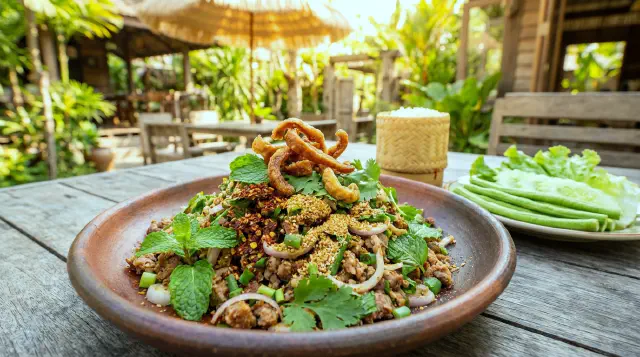
Ground Duck Salad with Mint (Laab Bped)
Ground Duck Salad with Mint (Laab Bped) © kvalifood.com
Laab is a ground meat salad from Northeastern Thailand (Isaan), …
read more
December 22, 2009
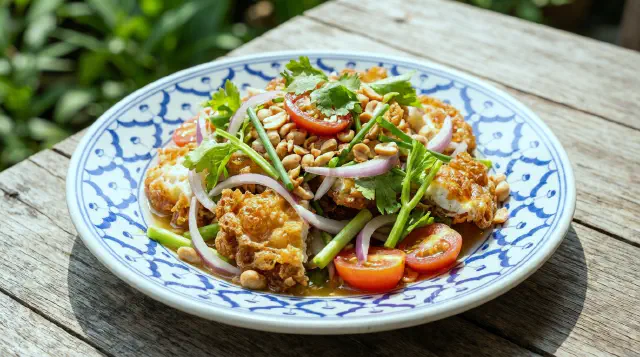
Fried Egg Salad (Yum Kai Dao)
Fried Egg Salad (Yum Kai Dao) © kvalifood.com
A classic Thai home-cooked salad where crispy deep-fried eggs are tossed …
read more