Carbohydrates in Cooking
Carbohydrates in Cooking
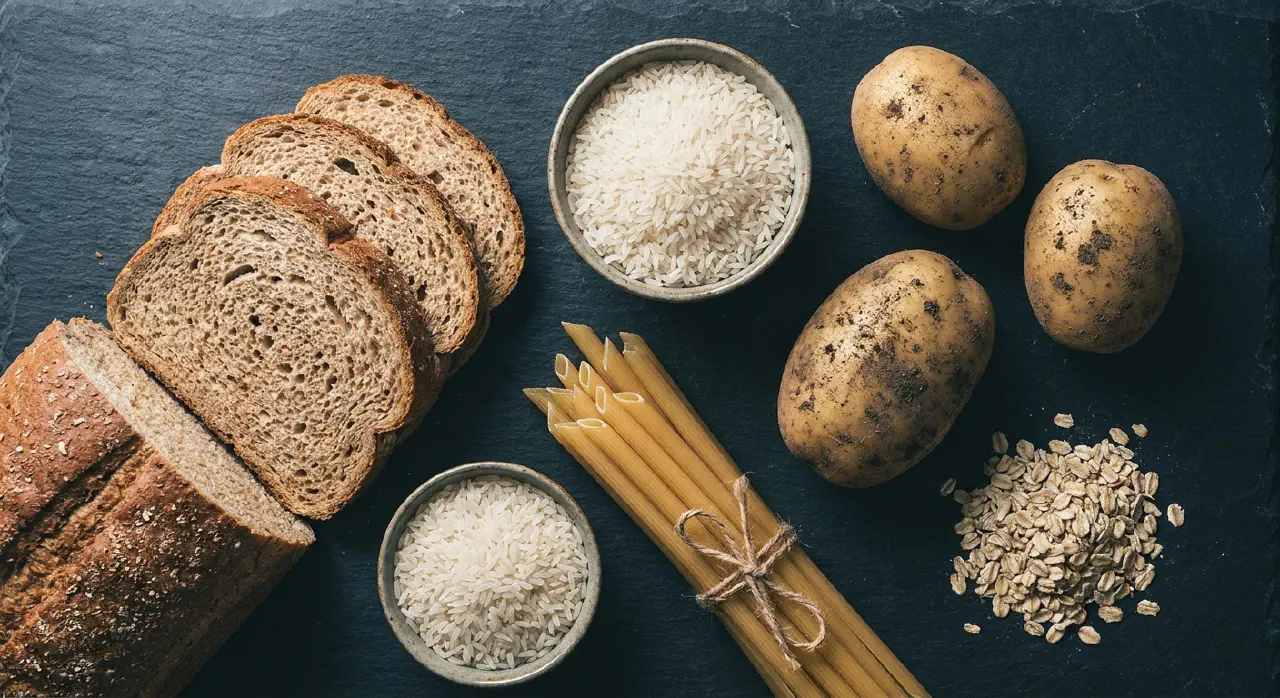
Carbohydrates — built from carbon, hydrogen, and oxygen — serve two purposes in the biological world: energy storage (sugars and starch) and structural support (cellulose, pectin). The cook encounters them at every scale, from the sweetness of a single glucose molecule to the indigestible fiber of a celery stalk. The remarkable fact is that the same glucose monomer, connected by different chemical linkages, produces substances with opposite cooking behavior — soluble starch that thickens sauces and insoluble cellulose that resists hours of boiling.
Starch Gelatinization
Starch Gelatinization
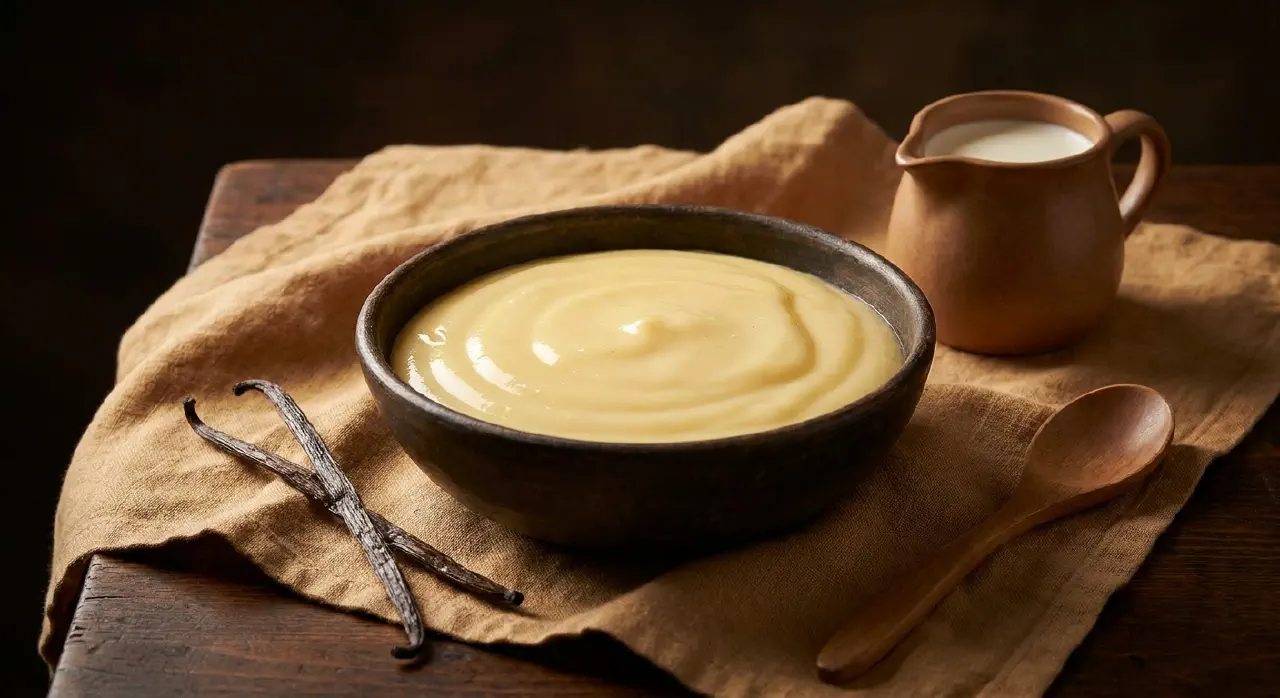
Starch gelatinization is the process by which starch granules absorb water, swell, and release their molecules to thicken a liquid into a gel. It’s the mechanism behind every roux-thickened sauce, every pot of cooked rice, and the structure of bread’s crumb.
What starch is
Starch is a plant’s way of storing energy — compact, unreactive chains of glucose sugars deposited in concentric layers within microscopic granules. Plants build two forms: