Fish Flavor and Freshness
Fish Flavor and Freshness
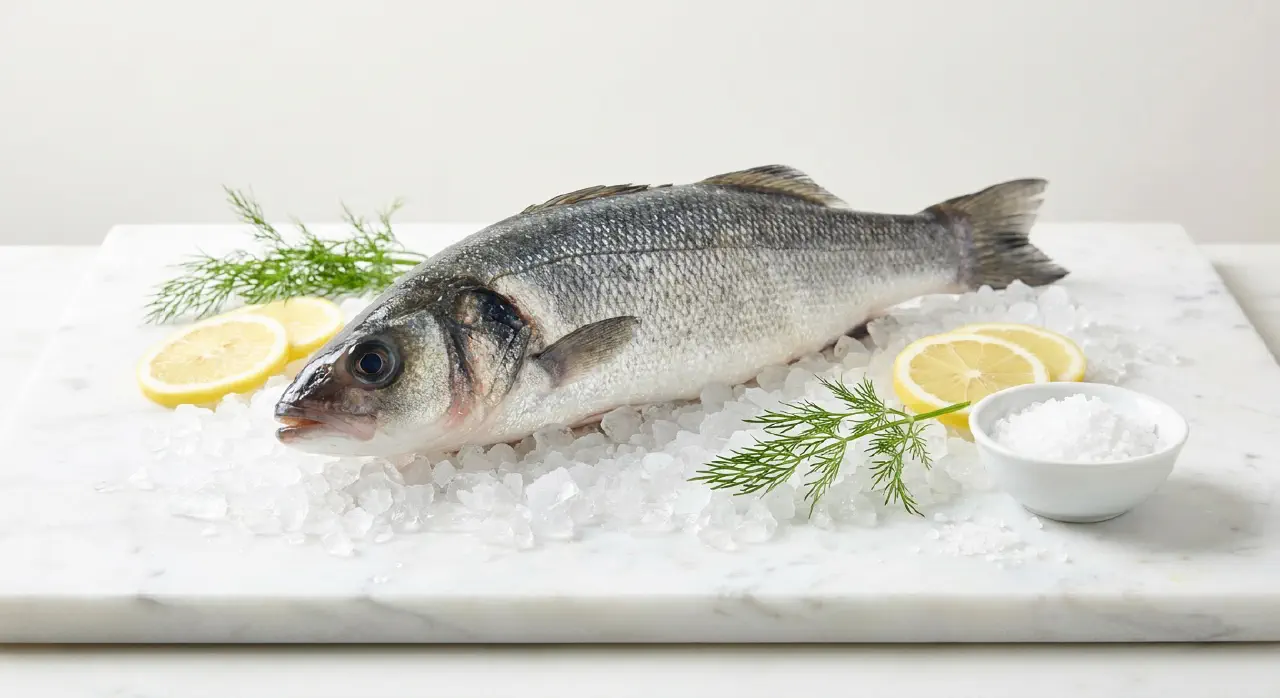
The flavor chemistry of fish is driven by an elegant adaptation: ocean fish must counterbalance the saltiness of seawater (about 3% salt) while their cells function optimally at ~0.8%. The molecules they accumulate for this osmotic balancing act are the same molecules that create their distinctive taste — and, eventually, their distinctive smell when they go off.
The Osmotic Strategy: Why Ocean Fish Taste Better
Ocean fish accumulate two main classes of osmolyte: amino acids (sweet glycine, savory glutamic acid) and TMAO (trimethylamine oxide, largely tasteless). Saltwater fish contain three to ten times more free amino acids than beef or freshwater fish, with shellfish especially rich. This explains the inherently savory, complex flavor of ocean seafood.
Produce Handling
Produce Handling
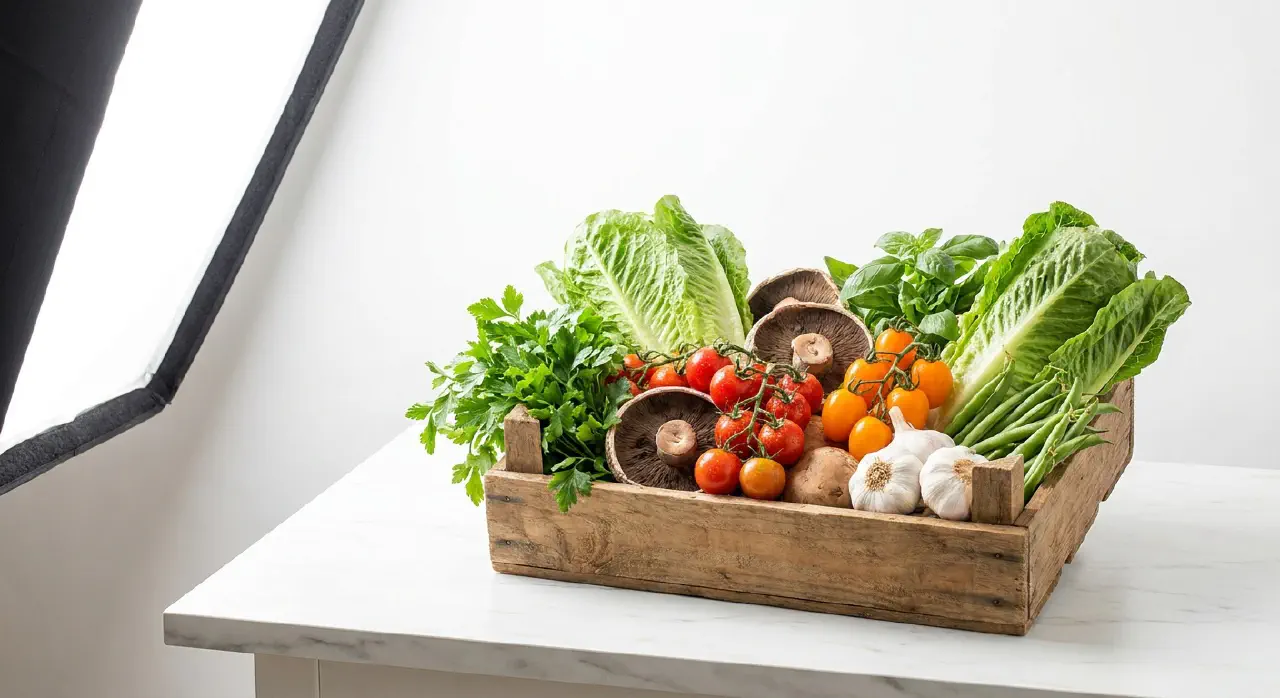
Once harvested, fruits and vegetables are severed from their nutrient supply. The cells survive — for weeks or months in some cases — but they consume themselves, accumulate waste, and deteriorate. Flavor, texture, color, and nutrients all suffer. Understanding the mechanisms of post-harvest deterioration turns produce storage from guesswork into applied science.
Why deterioration happens
Plant cells keep metabolizing after harvest: they burn sugars for energy, consume stored nutrients, and generate waste products. The rate varies enormously by species. High-metabolism produce (mushrooms, ripe berries, apricots, figs, avocados, papayas) deteriorates within days. Low-metabolism produce (apples, pears, kiwi, cabbages, carrots) can keep for weeks or months under good conditions.