June 2, 2023
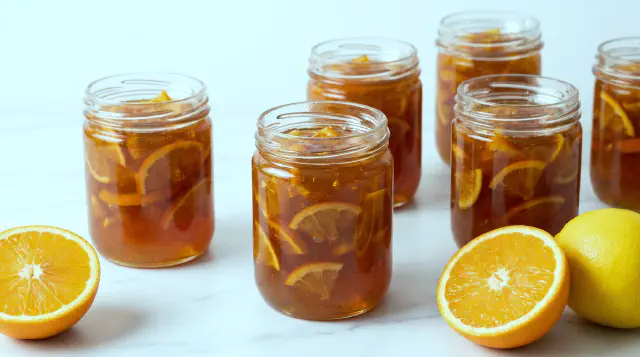
Orange Marmalade
Orange Marmalade © kvalifood.com
This orange marmalade is made the classic way: thin-skinned oranges and lemons are …
read more
December 30, 2017
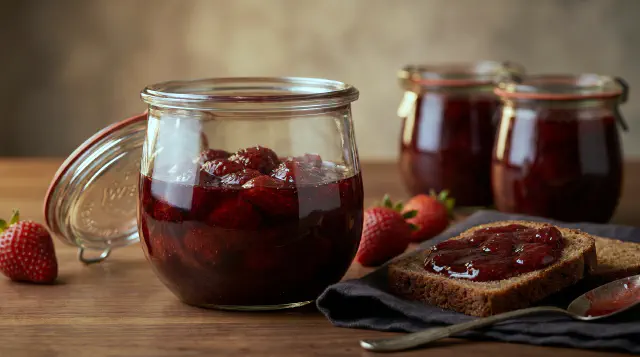
Strawberry Jam
Strawberry Jam © kvalifood.com
Strawberry jam made from preserving strawberries gives a firmer and more concentrated …
read more
June 28, 2013
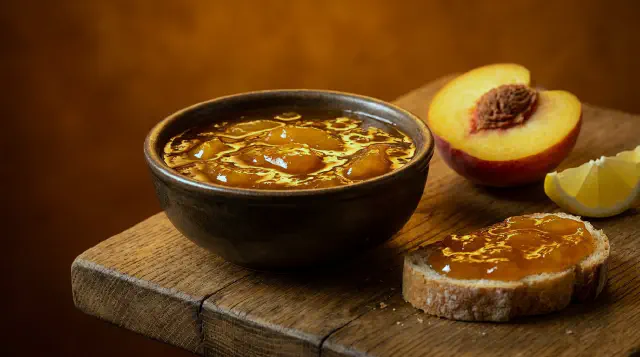
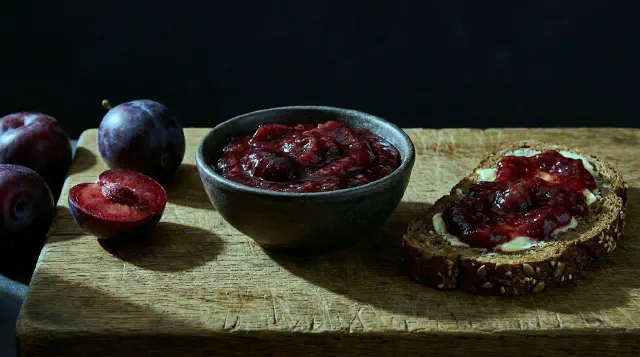
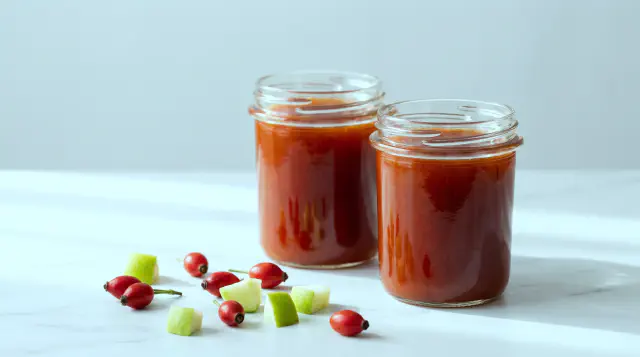
Easy Rosehip Jam
Easy rosehip jam © kvalifood.com
Rosehips are time-consuming to clean individually because of the irritating seeds. This …
read more
May 2, 2013
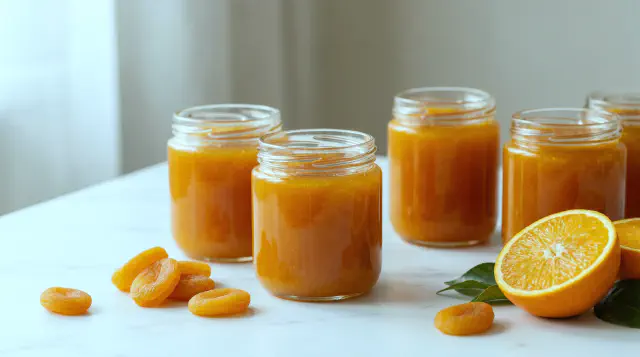
Raw-Preserved Apricot Jam
Raw-preserved apricot jam © kvalifood.com
Raw-preserved apricot jam requires no cooking. Dried apricots are soaked, …
read more
March 19, 2011
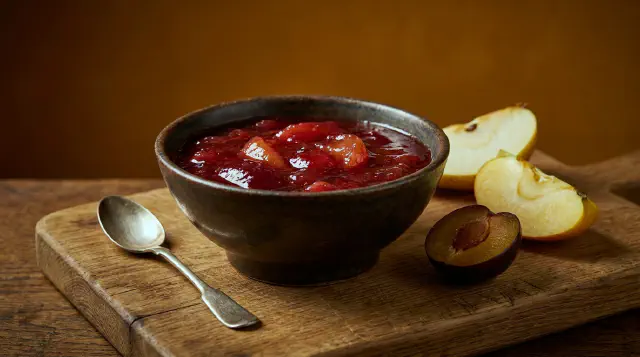
Apple, Pear and Plum Jam
Apple, Pear and Plum Jam © kvalifood.com
Apple, pear and plum jam is a good way to use up surplus autumn fruit. …
read more
May 27, 2010
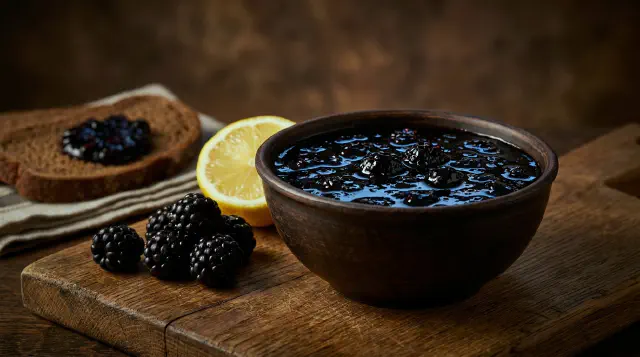
Blackberry Jam
Blackberry Jam © kvalifood.com
Blackberry jam works best with a classic two-step method: the berries are briefly cooked …
read more
November 23, 2009
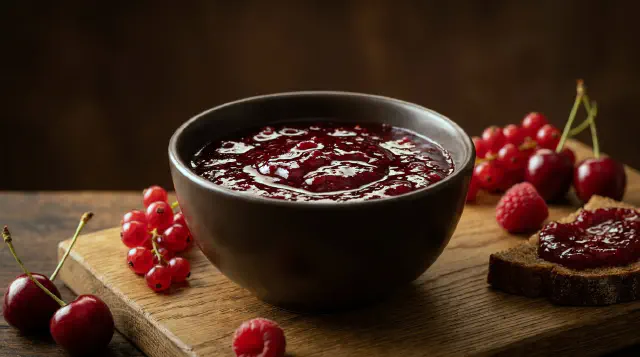
Alliance Marmalade
Alliance Marmalade © kvalifood.com
Alliance marmalade is a classic Danish mixed jam that combines redcurrants, cherries, …
read more
February 13, 2009
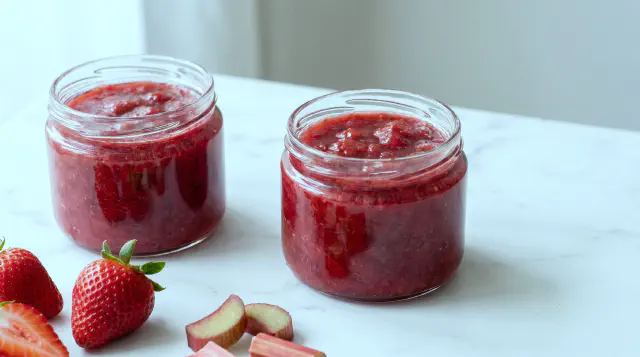
Rhubarb-Strawberry Jam
Rhubarb-strawberry jam © kvalifood.com
Rhubarb and strawberries are a classic spring and summer combination. The tart …
read more