Fruit Ripening
Fruit Ripening
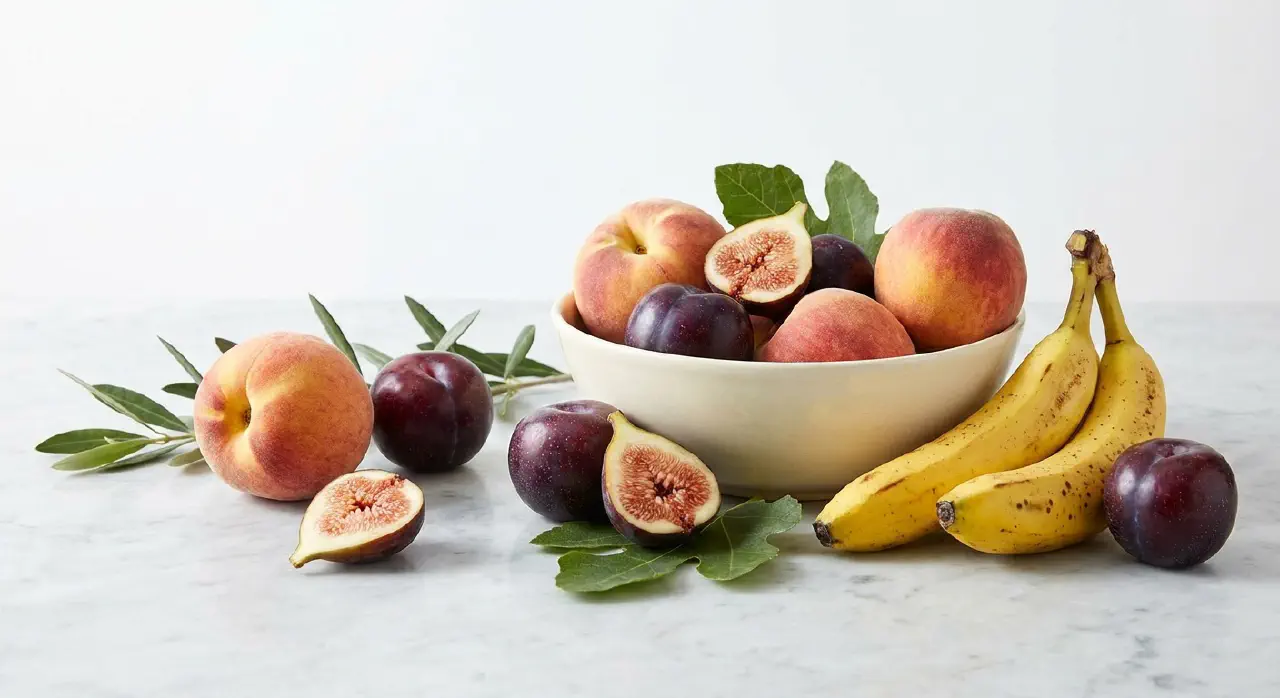
Ripening is programmed senescence — a coordinated enzymatic self-destruction that converts a seed-protecting structure into a seed-dispersing reward. Understanding the biochemistry of ripening is the single most useful piece of knowledge for buying, storing, and cooking fruit, because it determines whether a fruit can improve after harvest or is locked in at the moment it was picked.
Four stages of fruit development
Fruits develop through fertilization and hormone induction, cell multiplication (brief), cell expansion (the major growth phase, where storage cells fill with water, sugars, defensive compounds, and pre-positioned enzyme systems), and finally ripening itself. During the expansion phase, melon fruits can grow 80 cc daily; watermelon cells reach visible millimeter scale.
Produce Handling
Produce Handling

Once harvested, fruits and vegetables are severed from their nutrient supply. The cells survive — for weeks or months in some cases — but they consume themselves, accumulate waste, and deteriorate. Flavor, texture, color, and nutrients all suffer. Understanding the mechanisms of post-harvest deterioration turns produce storage from guesswork into applied science.
Why deterioration happens
Plant cells keep metabolizing after harvest: they burn sugars for energy, consume stored nutrients, and generate waste products. The rate varies enormously by species. High-metabolism produce (mushrooms, ripe berries, apricots, figs, avocados, papayas) deteriorates within days. Low-metabolism produce (apples, pears, kiwi, cabbages, carrots) can keep for weeks or months under good conditions.