Precision Fermentation

Every fermentation has a narrow metabolic sweet spot. Miss it by 5-10°C and you get runny yogurt, grainy texture, bland flavor, or complete failure. With precise temperature control, any heavy-bottomed pot becomes a digital incubator — turning kitchen chaos (variable room temperatures, unreliable ovens, radiator-heated corners) into predictable, professional-grade results.
Yogurt (41°C)
Thermophilic bacteria (Lactobacillus bulgaricus and Streptococcus thermophilus) peak in activity at ~41°C. Below 38°C, fermentation is sluggish and the culture takes so long to acidify the milk that wild microbes have time to compete, leading to thin, off-flavored results. Above 45°C, the bacteria experience heat stress, causing grainy texture and syneresis (excessive whey separation).
Soy Products
Soy Products
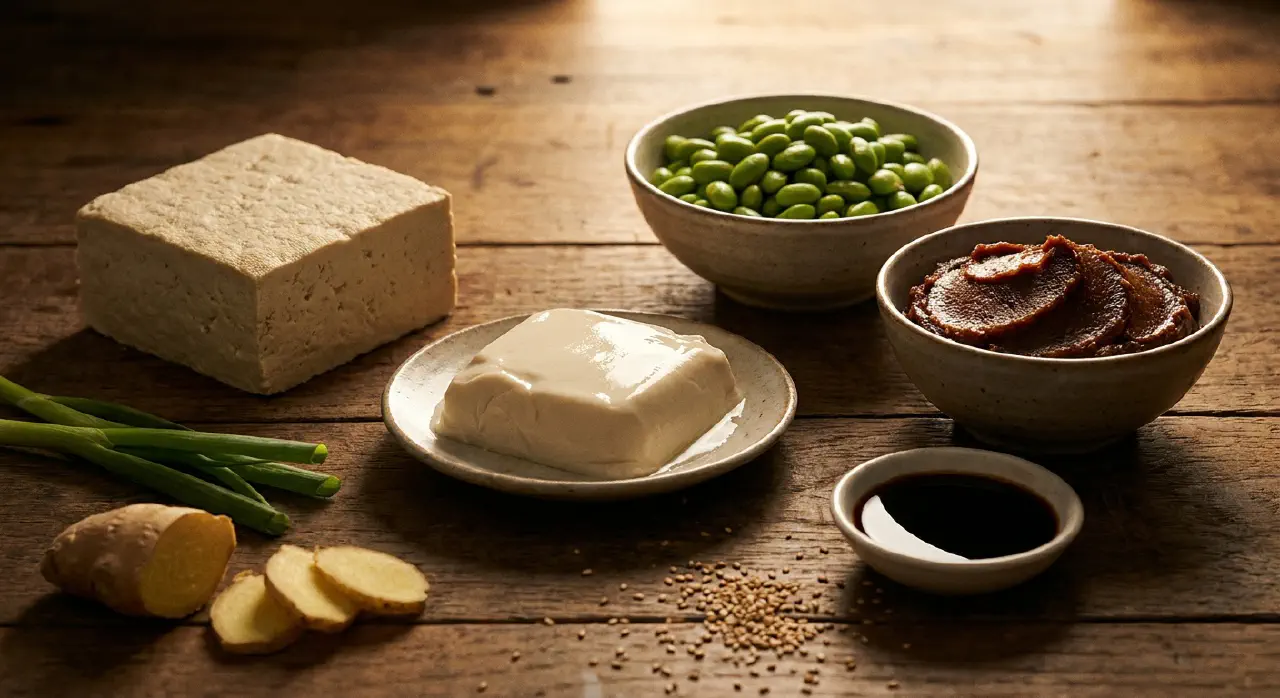
Soybeans present a palatability paradox: double the protein of other legumes, near-ideal amino acid balance, rich oil — yet raw or plainly boiled, they’re strongly “beany,” full of gas-producing oligosaccharides, antinutritional compounds, and a texture that’s firm rather than creamy (they contain negligible starch). Chinese cooks solved this with two fundamentally different approaches: extraction (separating desirable proteins and oil from everything else to make soymilk and tofu) and fermentation (using microbes to consume the undesirable compounds while generating savory complexity). The results — bean curd, soymilk, yuba, miso, soy sauce, tempeh, natto — are among the most versatile fermented foods in any tradition.