Chocolate
Chocolate
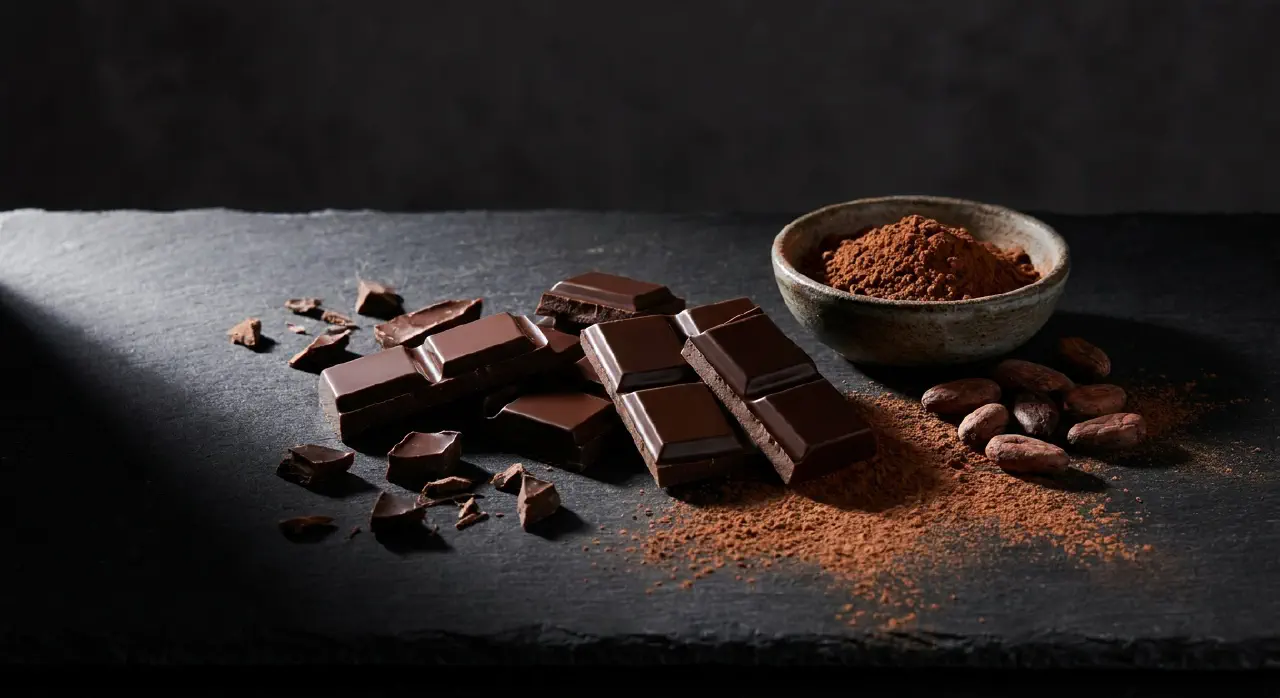
Chocolate is one of the most chemically complex foods — over 600 volatile aroma compounds, produced by an unusually elaborate chain of biological and thermal transformations. The cacao bean starts as a bland, astringent seed; three-phase fermentation converts it into a vessel of flavor precursors; gentle roasting develops those precursors through Maillard browning; and hours of conching aerates and mellows the result. At every stage, the wrong conditions destroy flavor that cannot be recovered.
Chocolate Cooking
Chocolate Cooking
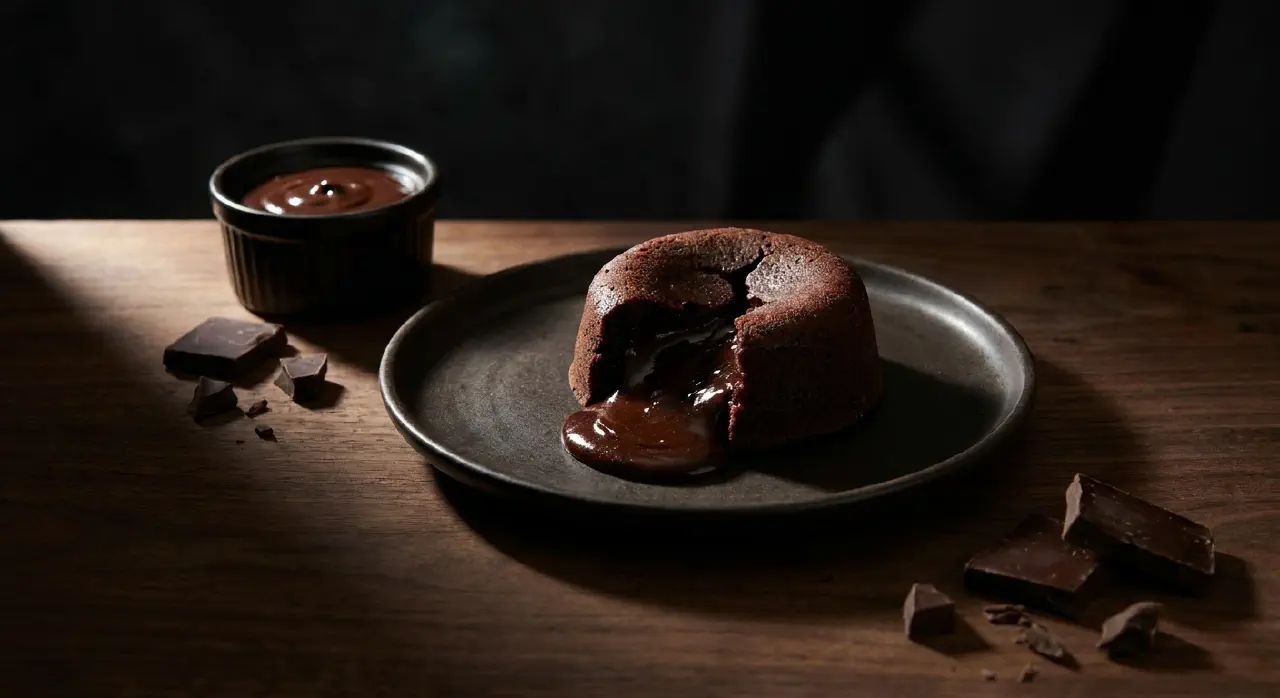
Working with chocolate in the kitchen means working with cocoa butter — a fat with unique crystalline properties that give well-made chocolate its snap, gloss, and smooth melt. Cocoa butter can solidify into six different crystal forms, only two of which produce the qualities we want. Tempering is the controlled thermal cycle that selects for the right crystals. Beyond tempering, chocolate’s behavior when melted, combined with liquids, or baked into batters follows from its dual nature as a fat-continuous suspension of solid particles.