Pasta and Noodles
Pasta and Noodles
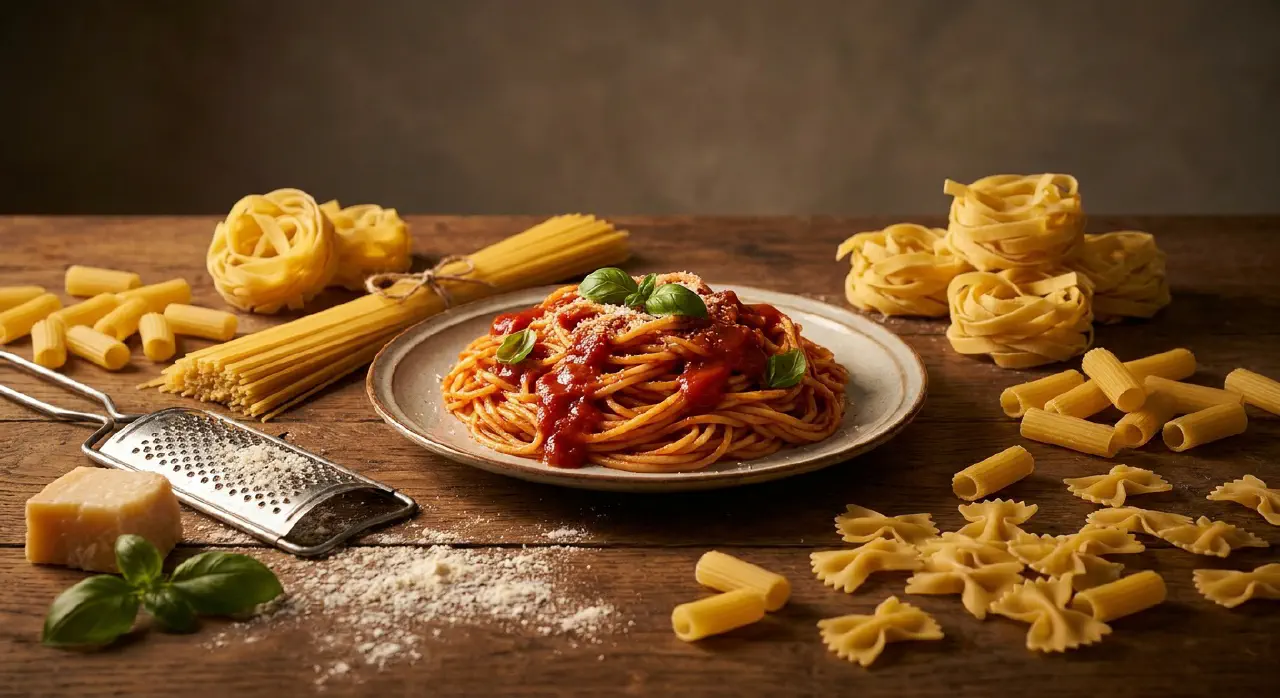
Pasta is a paste of flour and water (or eggs) mixed into a dense, cohesive mass — the structural opposite of bread. Where bread is an aerated foam held together by elastic gluten, pasta is a solid, continuous matrix where gluten provides cohesion and chewiness without any need for gas-trapping elasticity. This difference explains why durum wheat — strong but inelastic — is the ideal pasta grain, while bread wheat’s springy gluten would fight every attempt at shaping.
Wheat
Wheat
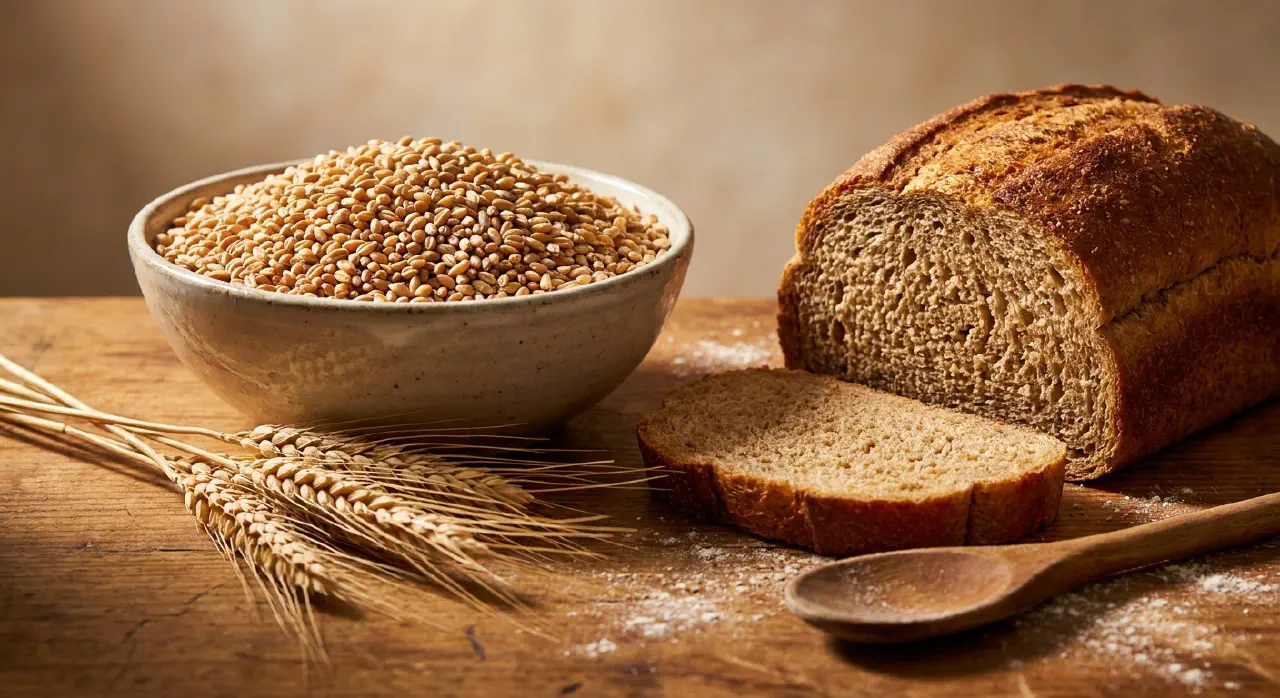
Wheat is the most important cereal in Mediterranean civilization and Western cooking, responsible for leavened bread, pasta, pastry, and a vast range of other preparations. What makes wheat unique is its gluten — a protein network of exceptional elasticity that no other grain can replicate. That elasticity comes from a genetic accident: bread wheat’s six chromosome sets, the result of an unusual hybridization ~8,000 years ago, produced a glutenin protein with uniquely springy bonds.