Gluten Science
Gluten Science
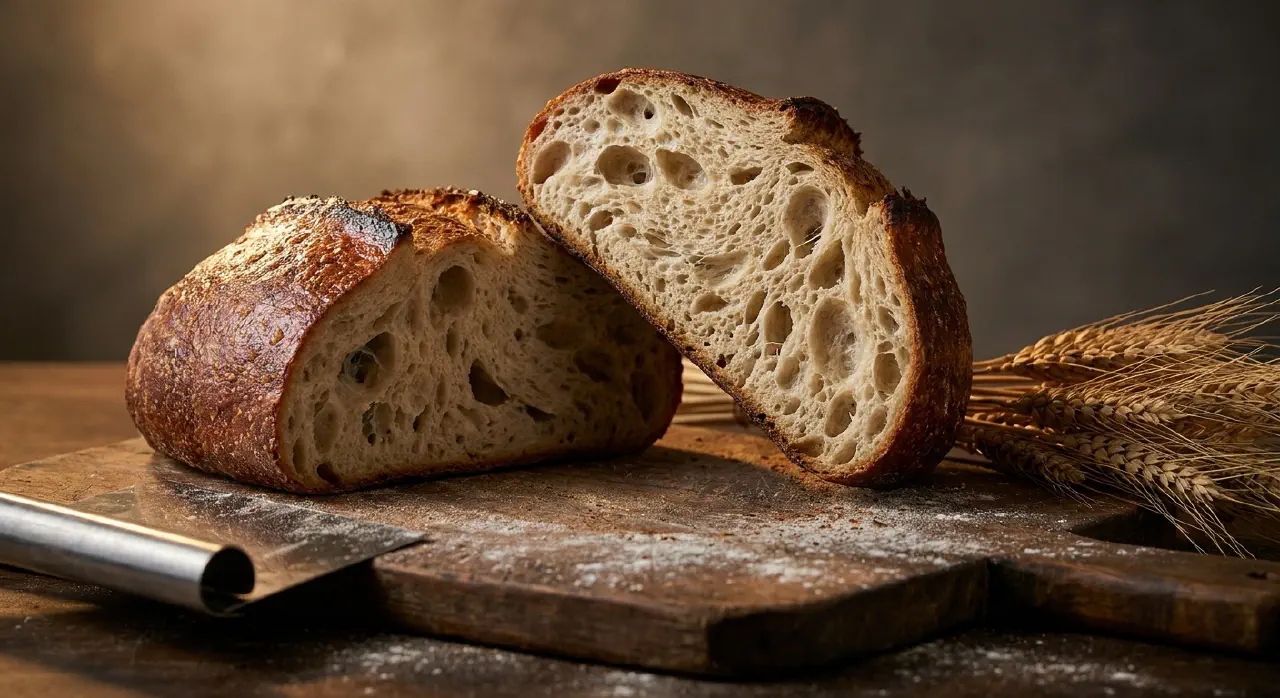
Gluten is the protein network that makes wheat doughs uniquely capable of trapping gas, holding shape, and producing textures from airy bread to chewy pasta to crumbly pastry. It doesn’t pre-exist in flour — it forms when two storage proteins, glutenin and gliadin, hydrate and bond during mixing. Understanding gluten is understanding why wheat dominates world baking, and why every dough-based preparation is fundamentally a strategy for controlling this one variable.
Wheat
Wheat
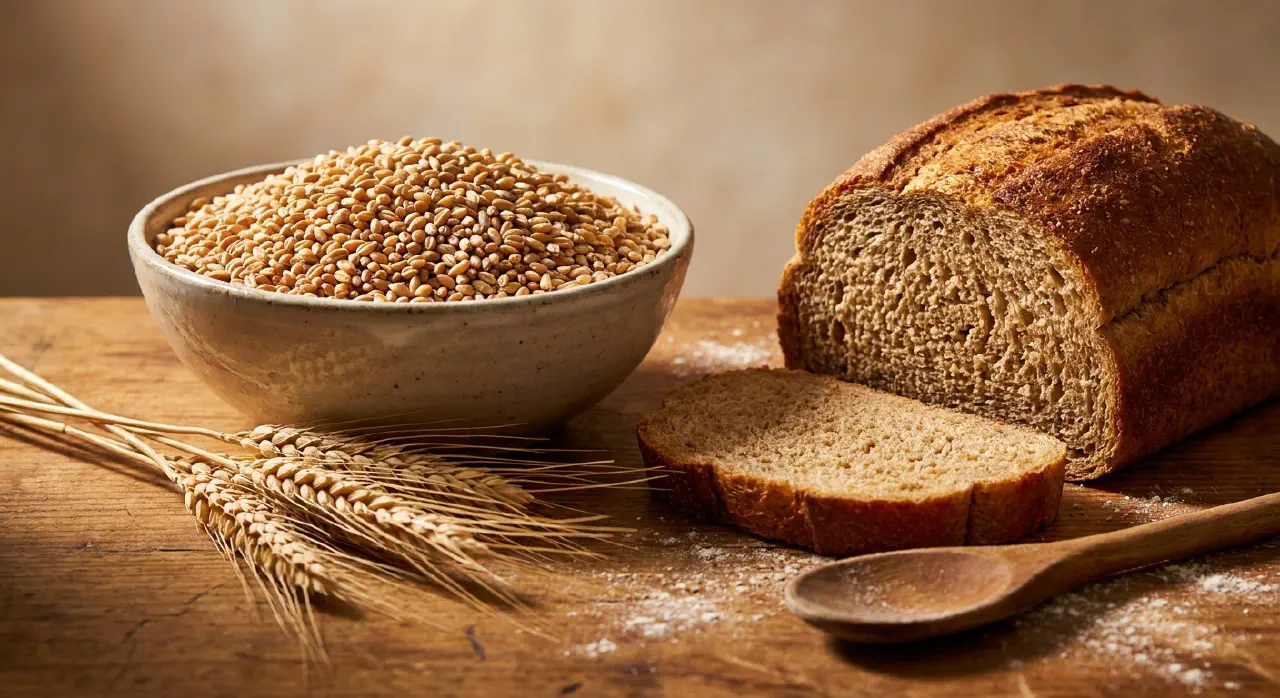
Wheat is the most important cereal in Mediterranean civilization and Western cooking, responsible for leavened bread, pasta, pastry, and a vast range of other preparations. What makes wheat unique is its gluten — a protein network of exceptional elasticity that no other grain can replicate. That elasticity comes from a genetic accident: bread wheat’s six chromosome sets, the result of an unusual hybridization ~8,000 years ago, produced a glutenin protein with uniquely springy bonds.
Wheat Flour
Wheat Flour
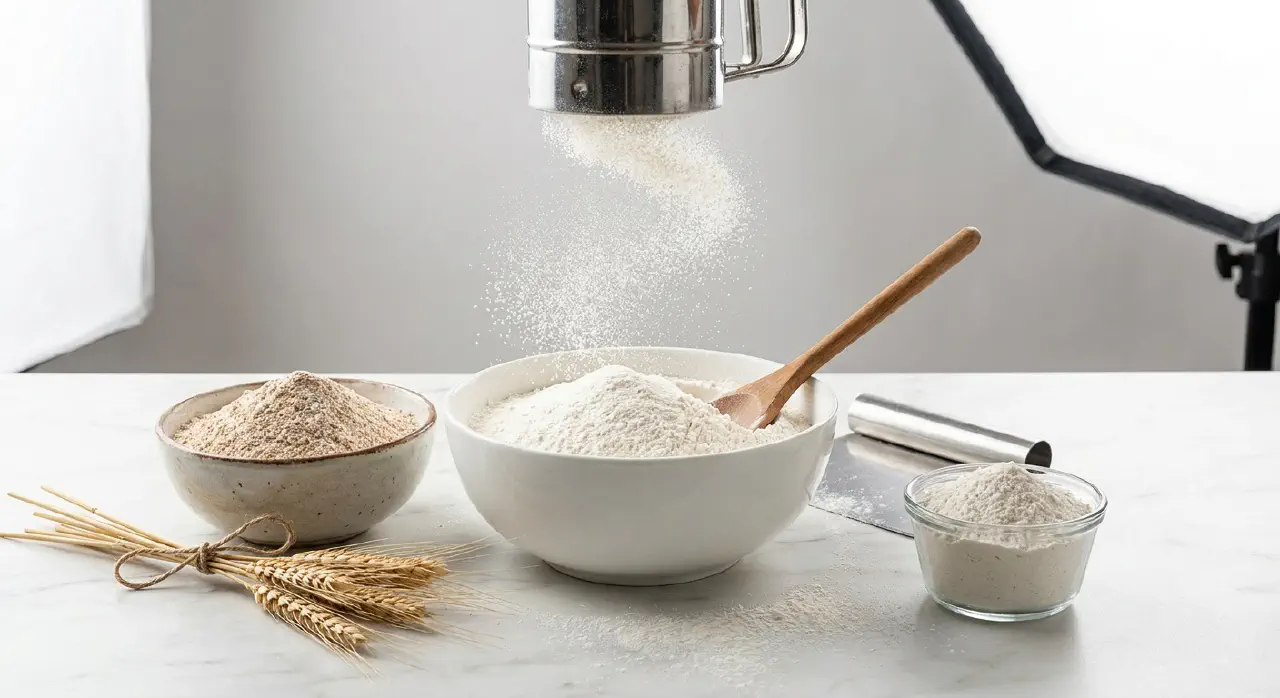
Wheat flour is the most important grain product in Western cooking — the foundation of bread, pastry, pasta, cakes, and thickened sauces. Its unique power comes from gluten, a protein network that no other grain can produce with the same strength and elasticity.
Composition
Flour is primarily starch (~70–75%) and protein (~8–14%), with small amounts of fat, fiber, and minerals. The protein content determines the flour’s character:
- Bread flour: ~12–14% protein. Strong gluten network. Chewy, structured crumb.
- All-purpose flour: ~10–12% protein. Versatile middle ground.
- Cake/pastry flour: ~7–9% protein. Minimal gluten. Tender, delicate crumb.
- Semolina (durum wheat): Very hard, high-protein. Used for dried pasta.
Whole wheat flour retains the bran and germ, adding fiber, fat, and nutrients — but the bran’s sharp particles physically cut gluten strands, producing denser results.