Carbohydrates in Cooking
Carbohydrates in Cooking
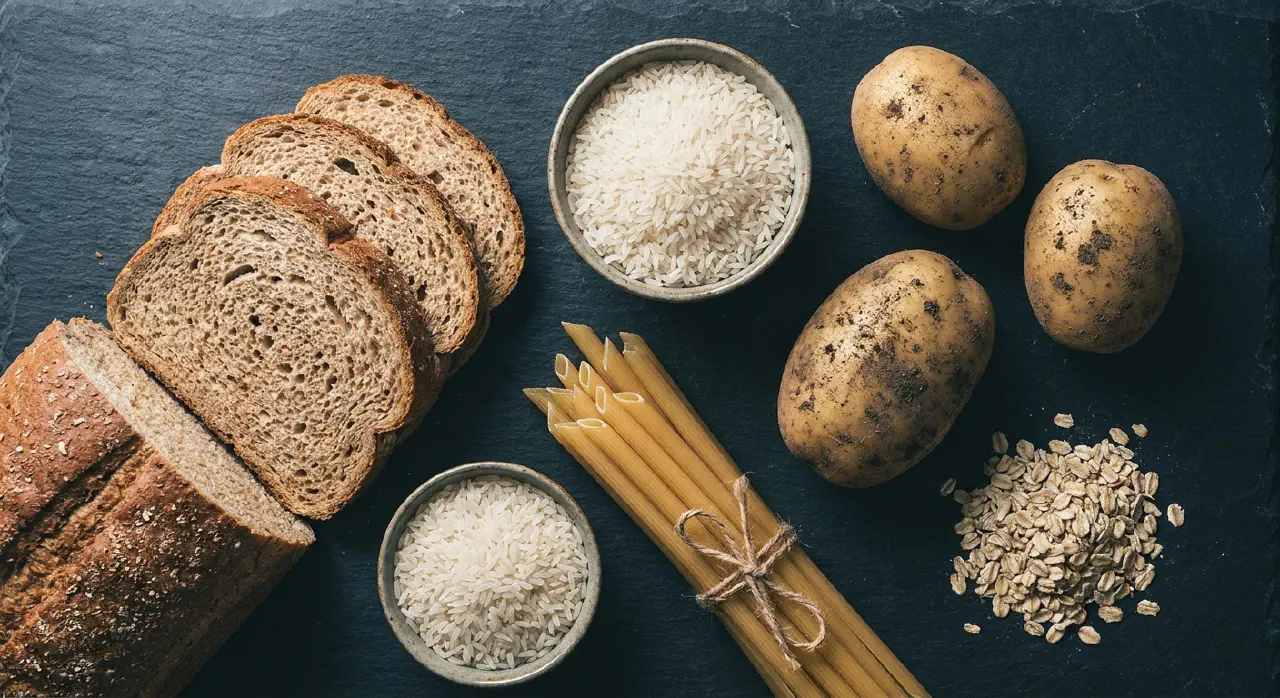
Carbohydrates — built from carbon, hydrogen, and oxygen — serve two purposes in the biological world: energy storage (sugars and starch) and structural support (cellulose, pectin). The cook encounters them at every scale, from the sweetness of a single glucose molecule to the indigestible fiber of a celery stalk. The remarkable fact is that the same glucose monomer, connected by different chemical linkages, produces substances with opposite cooking behavior — soluble starch that thickens sauces and insoluble cellulose that resists hours of boiling.
Maillard Reaction
Maillard Reaction
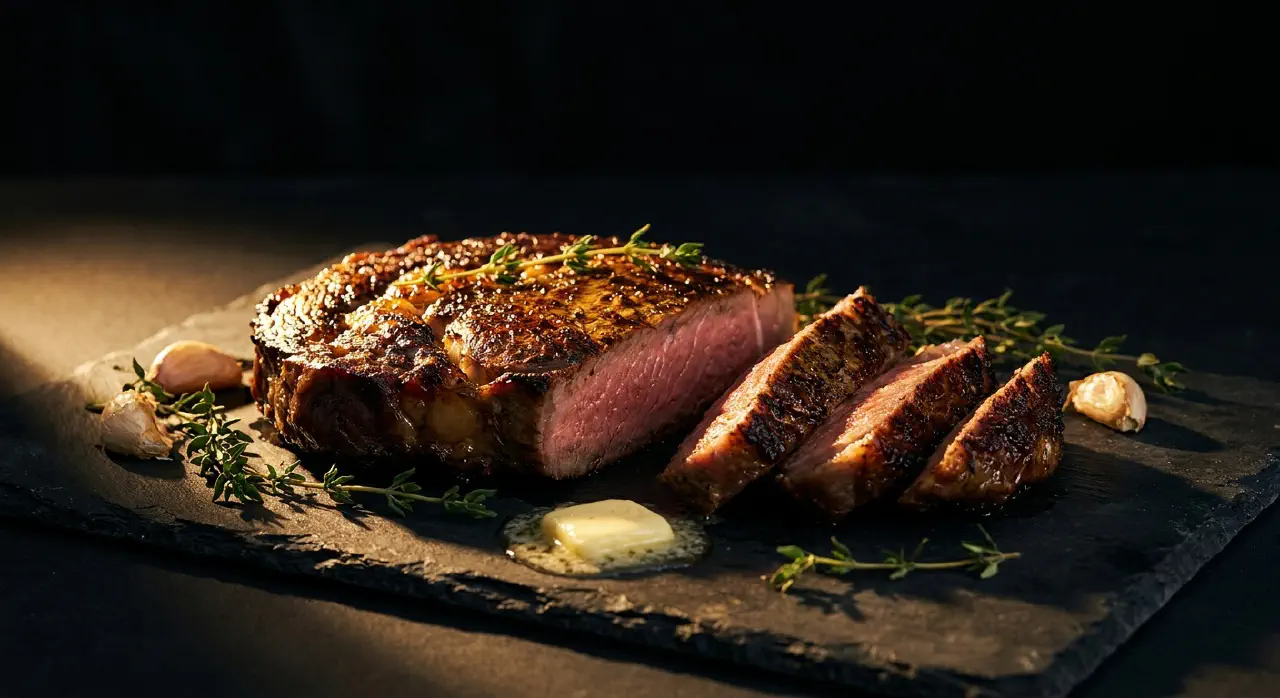
The Maillard reaction is the most important flavor-generating chemical process in cooking — the reaction between amino acids and sugars that produces the brown color and complex flavors of bread crusts, seared meat, roasted coffee, and chocolate.
The chemistry
Named after French physician Louis Camille Maillard (discovered ~1910), the reaction begins when a carbohydrate molecule meets an amino acid. They form an unstable intermediate that cascades into hundreds of different by-products — brown pigments (melanoidins), volatile aroma compounds, and new flavor molecules.
Plant Flavor
Plant Flavor
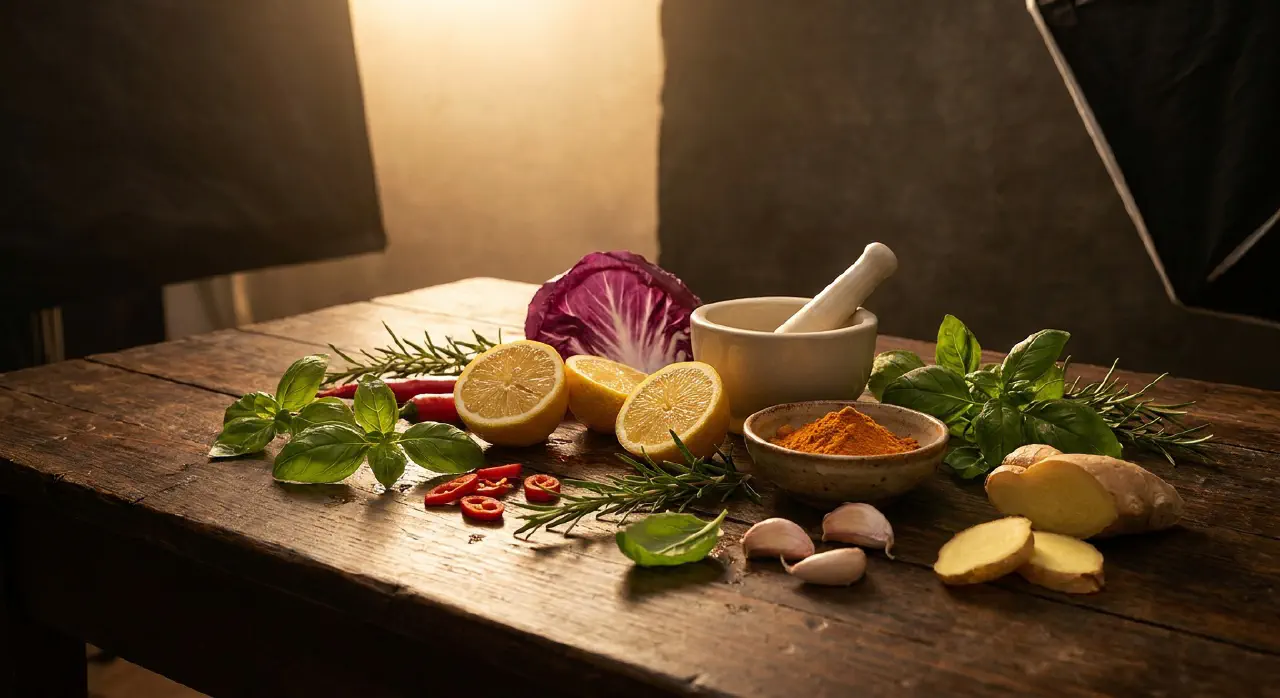
Plant flavor is a composite of four distinct sensory channels: taste (tongue), touch (mouth feel), irritation (pain receptors), and aroma (olfactory receptors). Taste tells you the basic composition — sweet, sour, bitter, savory. Touch reveals astringency. Pain receptors register pungency. And aroma, with its hundreds of volatile molecules, is where the fine discriminations happen — the difference between an apple and a pear, between basil and oregano.
Taste: the basic composition
Sweetness
Sugar is the main product of photosynthesis, so plants are inherently sweet. Ripe fruits average 10–15% sugar by weight. In unripe fruit, sugar is locked away as tasteless starch, then converted to sugar during ripening while acid content simultaneously drops — making the fruit seem even sweeter than the sugar alone would suggest.