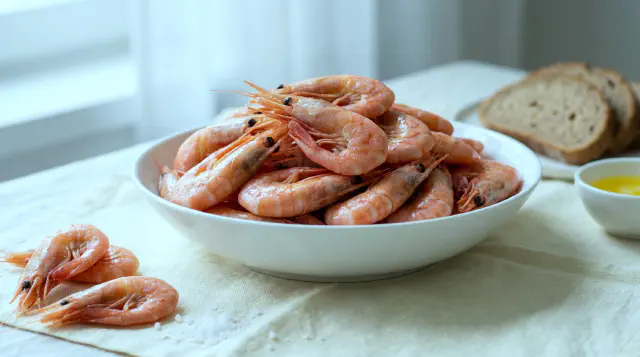
Air Fryer Shrimp
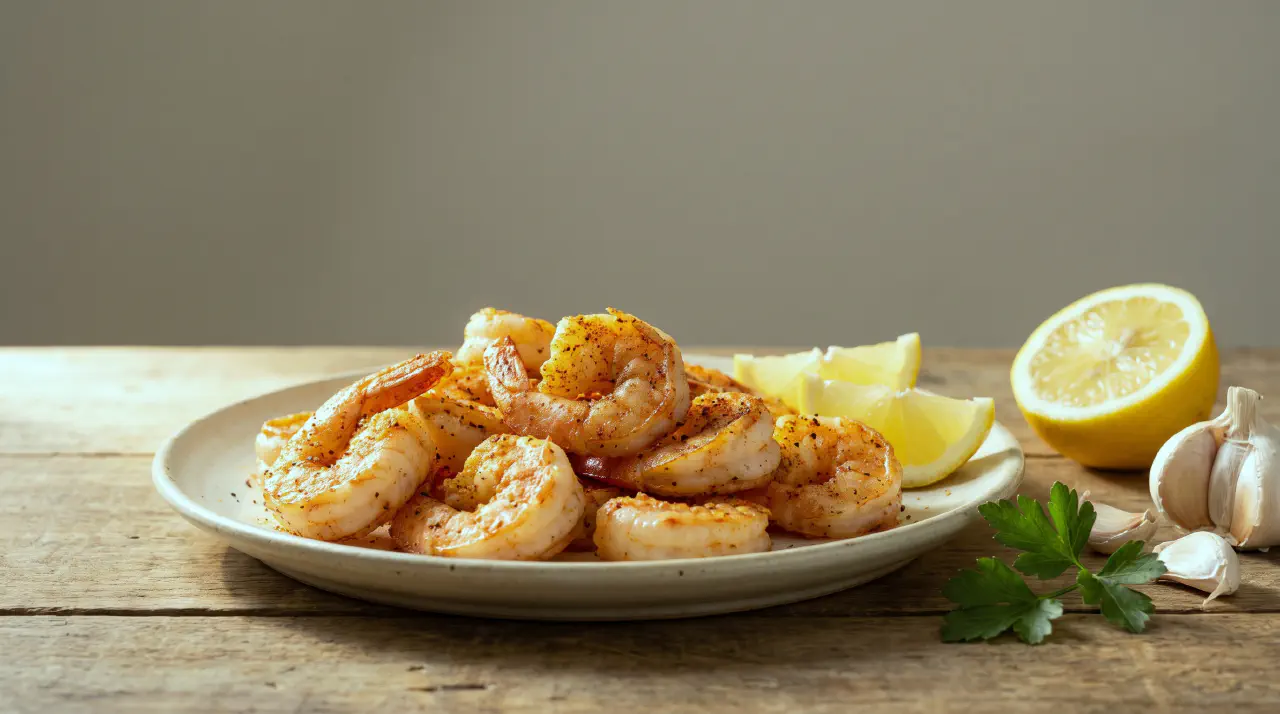
Air Fryer Shrimp
Shrimp tossed in oil and a simple dry spice mix, then air-fried in a single layer until pink, curled, and just cooked through. Garlic powder, paprika, salt, and pepper make up the seasoning, with a pinch of dried herb if you want it, and a squeeze of lemon at the end ties it together.
The method matters more than the seasoning here. The shrimp has to be bone dry before it goes into the oil, or the coating won’t stick and the shrimp steams instead of browning. It goes into the basket in one uncrowded layer so hot air reaches every side, and it only needs a handful of minutes - shrimp goes from underdone to rubbery fast, so the difference between a loosely curled “C” shape and a tight “O” is the difference between right and overcooked.
This isn’t a dish with any real history behind it - it’s a technique that spread once countertop air fryers became common kitchen fixtures, not a recipe tied to a place or a tradition. The plain, lemon-finished version is the baseline most people land on; the most common way to dress it up is a quick garlic-butter drizzle spooned over the cooked shrimp and served over rice.
It’s fast enough for a weeknight and works equally well scaled down as a starter or kept larger as a light main. Rice, noodles, tacos, or a bowl of pasta all take it well, and it holds up fine next to a remoulade or cocktail dip for dipping.
Ingredients
Serves 3–4
- 450 g jumbo shrimp (21–25 count), raw, peeled and deveined (thawed and patted dry if frozen)
- 1½ tbsp olive oil (or neutral oil)
- ¾ tsp garlic powder
- ½ tsp paprika (sweet or smoked)
- ½ tsp fine salt (or ¾ tsp kosher salt)
- ¼ tsp black pepper, freshly ground
- ½ tsp dried Italian seasoning (or dried parsley), optional
- 1 lemon, cut into wedges, for serving
Directions
Pat the shrimp completely dry with paper towels. If it was frozen, make sure it’s fully thawed first - any surface moisture stops the oil and seasoning from sticking and makes the shrimp steam instead of brown.
Toss the dry shrimp in a bowl with the oil, garlic powder, paprika, salt, pepper, and the dried herb if using, until every piece is evenly coated.
Preheat the air fryer to 400°F (200°C). Spread the shrimp in a single layer in the basket with space between the pieces, working in batches if they don’t all fit without touching.
Air-fry for 5–6 minutes, shaking the basket or flipping the shrimp halfway through, until they’ve turned pink and opaque and curled into a loose “C” shape - check for an internal temperature of 145°F (63°C). Larger shrimp can take 6–8 minutes; start checking at the 4–5 minute mark so they don’t go past done.
Serve right away with the lemon wedges alongside.
Notes
Don’t crowd the basket - shrimp packed too tightly steam instead of browning and cook unevenly. This is the one rule every version of this recipe agrees on.
Watch for overcooking. Shrimp curled into a loose “C” is done; once it tightens into a full “O” it’s gone rubbery. Cook to opaque with an internal temperature of 145°F (63°C), the safe minimum - don’t rely on a lower number some sources use, since it falls short of that.
Garlic-butter version: melt 4 tbsp (55 g) butter in a small pan, add 2–4 minced garlic cloves, and cook for about 30 seconds until fragrant. Take it off the heat and whisk in 2 tsp lemon juice, a pinch of salt, and chili flakes and chopped parsley if you like. Drizzle it over the cooked shrimp and serve over rice.
Cooking from frozen: either air-fry the frozen shrimp for 5 minutes at 400°F (200°C) just to thaw it, then pull it out, pat it dry, season, and cook for 5 more minutes as above; or toss the still-frozen shrimp with oil and a Cajun seasoning blend and cook on the basket’s rack at 325°F (165°C) for 6–8 minutes, flipping halfway - the rack lets the melting ice drain away instead of pooling.
Brining for extra snap: dissolve 1 tbsp kosher salt, 1 tbsp sugar, and ½ tsp aluminium-free baking soda in 2 cups (473 ml) cold water, add the shrimp, and let it sit for 10 minutes. Rinse thoroughly - leftover baking soda tastes off - and pat completely dry before seasoning and cooking as usual.
See Also