Sous Vide Beef Cheeks
Sous Vide Beef Cheeks
Beef cheeks come from a muscle that never stops working, and that makes them almost pure connective tissue: tough if you cook them fast, remarkably tender if you give them time. Braising has always been the traditional fix, hours of gentle, moist heat in a low oven. Sous vide reaches the same destination by a different road, holding the cheeks at a single steady temperature for a full day so the collagen has time to melt without the meat ever drying out the way it can in an oven that runs a little hot. It’s a long, mostly hands-off cook, better suited to a lazy weekend than a weeknight.
This version bags the cheeks with the same wine, stock and vegetables a braise would use, so the meat and the sauce cook together rather than as separate steps. Everything that would normally simmer away in a Dutch oven goes into the pouch: a light mirepoix, garlic, thyme, bay leaf, red wine and beef stock. By the time the bath is done, that liquid has pulled flavor from the meat and given some back, and straining and reducing it afterward turns it into a rich, deeply savory sauce with almost no extra work.
Beef cheek isn’t tied to one cuisine. It shows up braised across French, Mexican and Italian kitchens, usually wherever a cook has a tough, well-worked cut and enough time to spare. Sous vide is a modern way of handling that same cut rather than a traditional method in its own right, but it borrows the classic braise’s ingredients and finishes in the classic way, spooning a reduced, glossy pan sauce over the meat.
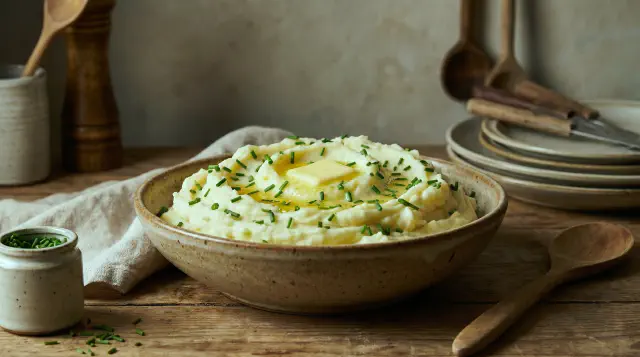
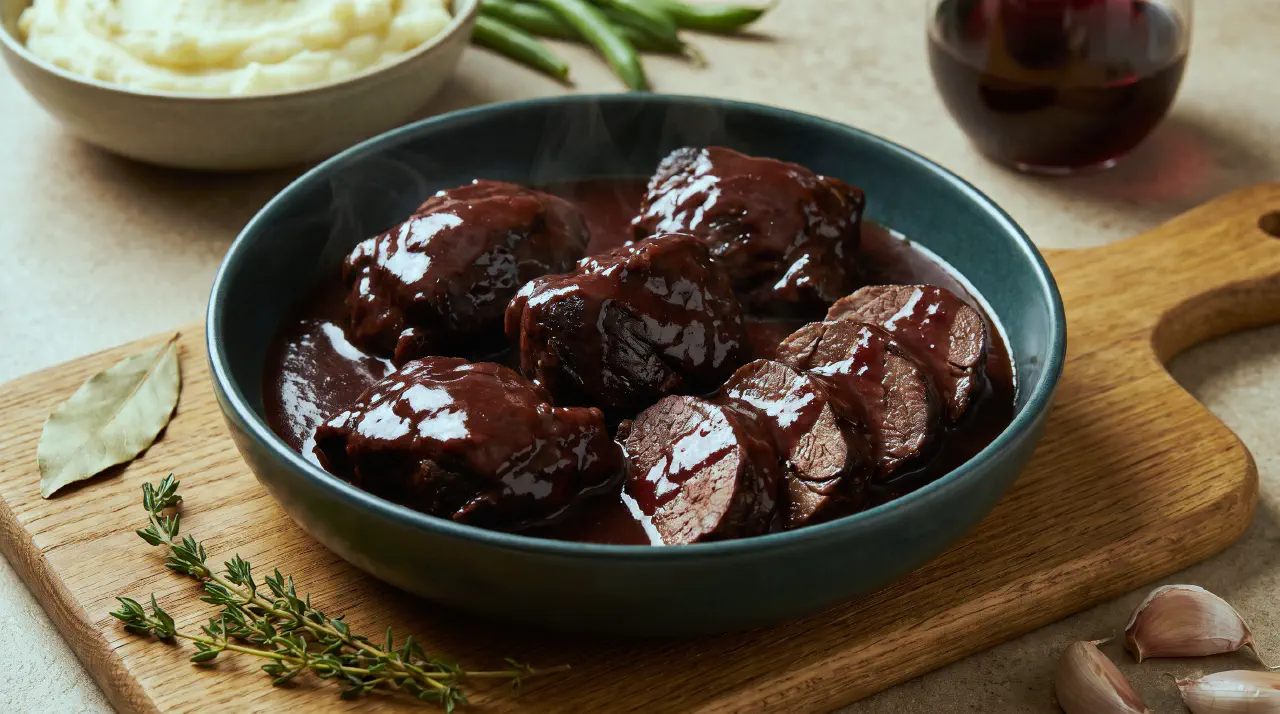
Serve the cheeks whole or sliced, with the sauce spooned over. Mashed potatoes, soft polenta or buttered egg noodles all do the job of soaking up the sauce, and a simple green vegetable on the side is really all the dish needs beyond that.
Ingredients
Serves 4
The beef cheeks
- 4 beef cheeks, trimmed of the central silverskin and excess surface fat (about 250 g each, about 1 kg total)
- kosher salt, to taste
- black pepper, freshly ground, to taste
- 2 tbsp neutral oil (or olive oil), divided
- 1 small onion, roughly chopped
- 1 carrot, roughly chopped
- 2 garlic cloves, crushed
- 2 sprigs thyme, fresh
- 1 bay leaf
- 240 ml dry red wine
- 240 ml beef stock
The sauce
- 28 g unsalted butter
Directions
The beef cheeks
Pat the beef cheeks dry, season them all over with the salt and pepper, and sear in 1 tablespoon of the oil in a hot skillet or Dutch oven until well browned on both sides, about 2 minutes per side. Searing before bagging isn’t just about flavor here; it also cuts down on surface bacteria over the long cook ahead, so don’t skip it even though the cheeks go back into a bath rather than straight into the oven. Set the cheeks aside to cool slightly.
In the same pan, sauté the onion and carrot until lightly colored, about 5 minutes, then add the garlic, thyme and bay leaf. Pour in the red wine and beef stock, and simmer for 10 to 15 minutes to reduce slightly and bring the flavors together. Let the mixture cool completely; refrigerating it for a while speeds this up and matters more than it sounds like it should, since a hot liquid vacuum-seals badly and can partially cook the meat before the bag even goes into the bath.
Vacuum-seal the seared cheeks together with the cooled wine and vegetable mixture. Double-bag it if there’s any risk of the liquid being drawn into the sealer, or use the water-displacement method with a zip-top bag instead.
Preheat a water bath to 165°F (74°C). Submerge the bag and cook for 24 hours. This lands in the “tender braise” range for beef cheek: long enough and hot enough for the connective tissue to fully break down, so the meat is soft enough to cut with a fork but still holds together as a whole piece rather than falling apart into shreds.
The sauce
Lift the bag from the bath and open it over a bowl. Strain the liquid through a fine-mesh sieve into a small saucepan, discarding the softened vegetables and herbs, and set the cheeks aside, tented loosely to keep warm.
Bring the strained liquid to a simmer and reduce it until lightly thickened, 5 to 8 minutes. Take the pan off the heat and whisk in the butter a piece at a time, so it melts into the sauce slowly and turns glossy rather than separating. Season with salt to taste.
If you’d like a browned crust on the cheeks, pat them dry and sear briefly in the remaining tablespoon of oil over high heat, about a minute per side, before saucing. Otherwise, simply spoon the sauce straight over the cheeks as they are; both finishes are correct, and the difference is really just whether you want that extra bit of crust.
Notes
For a pink, sliceable result closer to a rare roast than a braise, skip the vegetables and wine entirely: season the cheeks and bag them dry with nothing else, then cook at 130°F (54°C) for 48 to 72 hours. Finish with a hard, butter-basted sear in a hot pan, and slice rather than shred. Within this steak-style range, time matters more than temperature: 60 hours gives a firmer, more knife-cut texture, while 72 hours at the same temperature comes out noticeably more tender.
See Also
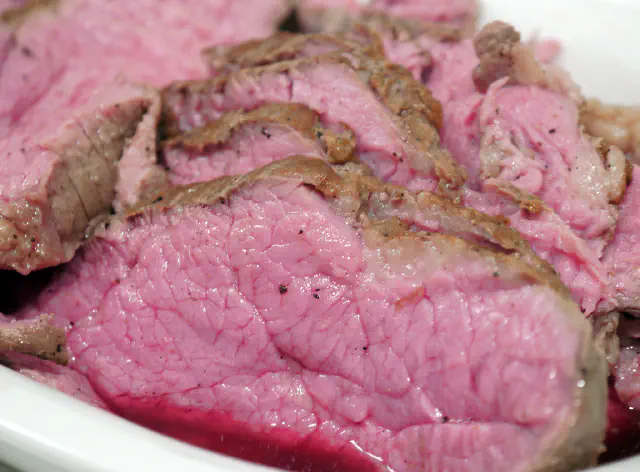
Beef Cuvette - Red Meat Sous Vide
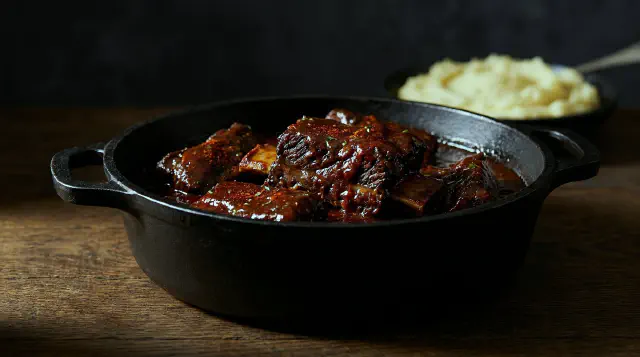
Braised Short Ribs
Braised Veal Shank