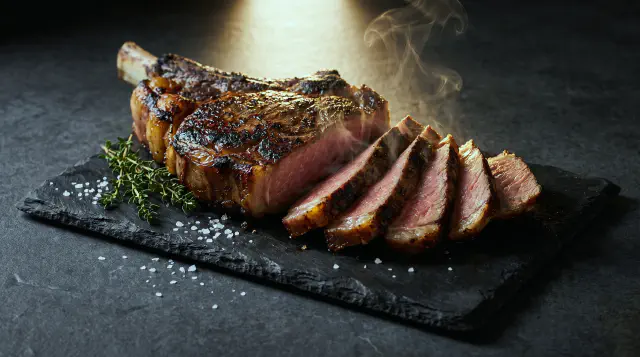
Sous Vide Beef Short Ribs
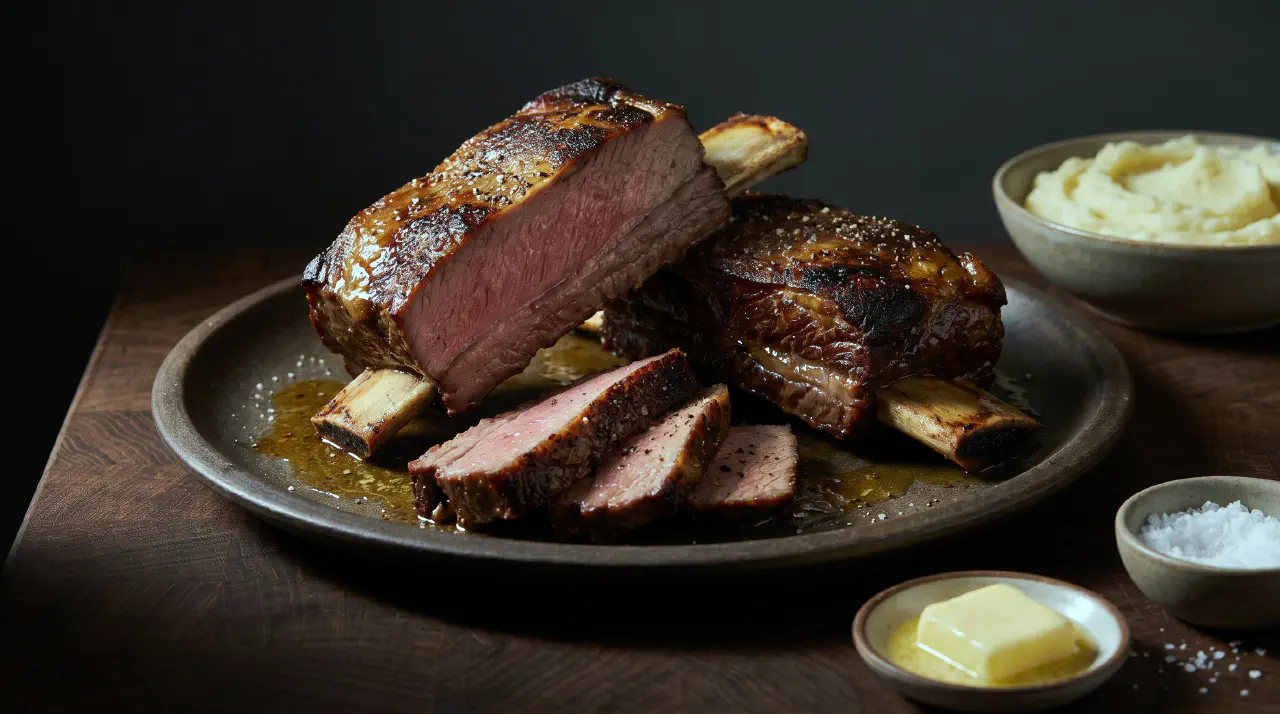
Sous Vide Beef Short Ribs
Short ribs are one of the few cuts where a very long, moderate-temperature sous vide cook makes more sense than braising, roasting or grilling on their own. The meat carries enough fat and collagen that it can sit in a water bath for two full days without falling apart, coming out sliceable like a steak instead of shredded like a pot roast. A hard sear afterward supplies the crust the water bath can’t.
The technique isn’t tied to any particular cuisine or tradition. It’s a modern, temperature-and-time approach applied to a classic butcher’s cut, developed by sous vide equipment makers and home cooks rather than handed down through a regional kitchen. What “getting it right” means here is mostly technical: holding the bath high enough to pasteurize safely over such a long cook, and giving the meat enough time at temperature for the collagen to actually break down, not just come up to a safe internal temperature.
Bone-in, English-cut ribs, thick individual pieces rather than the thin cross-cut flanken strips, hold their shape well over the 48-hour cook and look substantial on the plate. Salt and pepper are the only seasoning; the water bath doesn’t need anything else to draw flavor out of the meat, and a butter-basted sear at the end adds all the richness and browning the dish needs.
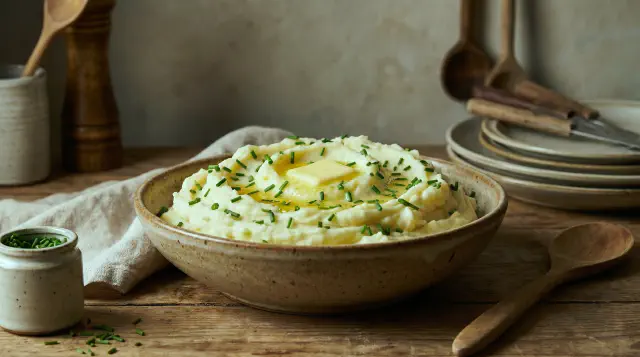
Serve the ribs simply, sliced or whole, alongside something to soak up the buttery pan drippings: mashed potatoes, creamy polenta, or roasted root vegetables all work. It’s substantial enough for a dinner-party main, though the actual hands-on time is only a few minutes at the stove on either side of the two days the ribs spend in the bath.
Ingredients
Serves 4
- 4 bone-in English-cut beef short ribs, about 5 cm thick and at least 10 cm long (450-500 g each, about 1.8-2 kg total)
- 2 tsp fine sea salt
- ½ tsp black pepper, freshly ground
- 2 tbsp neutral oil (or olive oil), for searing
- 3 tbsp unsalted butter, for basting
Directions
Season the short ribs generously on all sides with the salt and the pepper, then vacuum-seal them in a sous vide bag. If any bone edges are sharp, double-bag the ribs so the seal doesn’t fail over the long cook.
Preheat a water bath to 140°F (60°C). Submerge the bagged ribs and cook for 48 hours. Thirty-six hours gives a slightly firmer bite, and up to 72 hours pushes the meat toward falling apart. Don’t go shorter than 24 hours: under that, the collagen hasn’t had time to break down, and the ribs come out tough and chewy instead of tender.
Remove the ribs from the bag and pat them completely dry with paper towels. A dry surface is what lets a real crust form, so don’t rush this step.
Heat the oil in a heavy skillet, cast iron if you have it, over medium-high heat until it’s just short of smoking. Add the ribs along with the butter, and sear, basting continuously with the melted butter, until deeply browned on all sides, about 2 minutes per side.
Rest the ribs briefly, then serve them whole or sliced across the grain.
Notes
For a fully tender, shred-with-a-fork result instead of a steak-like one, cook at 160°F (71°C) for 20 to 24 hours instead, with a bagged mirepoix of chopped onion, celery and carrot, a splash of red wine and beef broth, tomato paste, garlic, thyme and a bay leaf. Strain and reduce the bag liquid into a pan sauce afterward instead of dry-searing.
For an Asian-inflected finish, skip the butter sear and instead brush the ribs with a honey-soy-garlic glaze, then run them under a hot broiler or torch until the glaze sets and browns.
A hot grill, 450°F (230°C) or higher, about a minute per side, works as well as a skillet for the final sear if you’d rather finish outdoors.
The ribs can be cooked ahead: after the water bath, shock the bag in ice water and refrigerate for up to 3 days. Reheat it in a 140°F (60°C) bath for about 30 minutes before searing.
See Also
Beef Cuvette - Red Meat Sous Vide
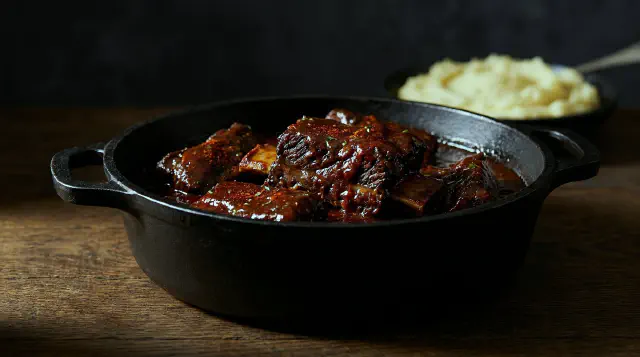
Braised Short Ribs
Mashed Potatoes
Rib-Eye Steak