Sous Vide Pork Cheeks
Sous Vide Pork Cheeks
Pork cheeks are one of those cuts Danish home cooking has never thrown away. The muscle sits where the pig has chewed its whole life, so it’s packed with connective tissue - tough and useless under quick, fierce searing, but exactly what makes a cut suited to long, moist heat. The same principle is familiar from beef cheeks and shank: give the connective tissue time, and it melts into something tender and rich.
Traditionally, cuts like these ended up braised in a pot, hours on low heat on the stovetop. Sous vide is the modern version of the same idea - long time, even heat, but without the guesswork. The cheeks are seasoned and vacuum-sealed, then go into the water bath at 165°F (74°C) for 12 hours, the most common combination among Danish sous vide recipes for the dish. At that temperature and time the meat turns meltingly tender and juicy, yet holds its shape as whole pieces - the same result as a well-run pot braise, only without the risk of cooking the meat dry or tough along the way.
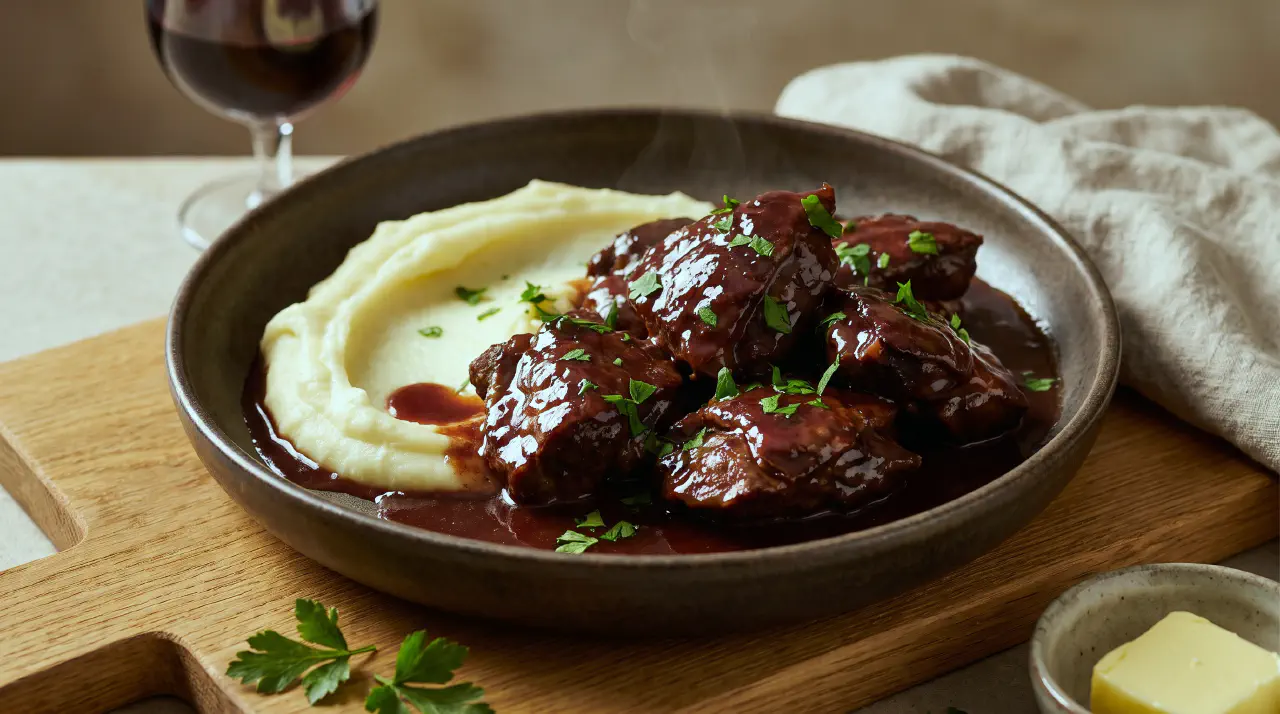
What really lifts the dish is the sauce. Instead of pouring away the meat juices from the bag, they’re reduced together with red wine and stock into a glossy, lightly thickened reduction with a deep, wine-sharp flavor, and the cheeks are turned in it at the end. It’s a small detail that’s easy to miss if you only look at an ingredient list - but it’s the heart of why the dish tastes of more than its few ingredients suggest.
Sous vide pork cheeks suit a quiet weeknight dinner, where most of the cooking time runs unattended, but also the table set for guests, served with mashed potatoes or tagliatelle and a generous scattering of chopped parsley.
Ingredients
Serves 4
The Cheeks
- 700 g pork cheeks, trimmed of silverskin and sinew/fat
- 6 g salt
- freshly ground pepper
The Sauce
- 200 ml dry red wine
- 150 ml beef stock (or veal stock)
- 20 g butter
- 10 g plain flour
- meat juices from the bag, collected after cooking
- fresh parsley, chopped, to garnish
Directions
The Cheeks
Pat the pork cheeks thoroughly dry with paper towels and season them with salt and freshly ground pepper. Place the cheeks in a vacuum bag and seal at medium-high pressure. Handle the bag carefully while sealing - use a double bag or the water-displacement method if there’s any risk of meat juices being pulled into the sealer.
Cook the cheeks sous vide at 165°F (74°C) for 12 hours. At that temperature and time the meat turns meltingly tender and juicy but still holds its shape as whole pieces - the same texture as a classic pot-braised cheek, only without the risk of cooking it dry.
The Sauce
Take the bag out of the water bath and cut it open. Pour the meat juices from the bag into a saucepan along with the red wine, and set the cheeks aside under a lid or foil to keep warm.
Reduce the meat juices and red wine to a syrupy consistency over high heat, about 10-15 minutes. Add the stock, let it boil through, and skim off any impurities along the way.
Melt the butter in another small saucepan and stir in the flour to a smooth roux. Add the reduced meat-juice, wine and stock mixture a little at a time, stirring, and let the sauce simmer 4-5 minutes until thickened and glossy.
Season the sauce with salt, pepper and, if you like, a few drops of red wine vinegar. Turn the pork cheeks in the sauce and serve at once, scattered with chopped parsley.
Notes
For extra flavor and a light seared crust, the cheeks can be browned briefly in a very hot pan, 30-60 seconds per side, either before vacuum-sealing or after the sous vide bath.
For a more worked-through, falling-apart result, the temperature and time can be changed to 154°F (68°C) for 18-24 hours. The softest texture of all comes from 144°F (62°C) for 48 hours, but that in turn takes a full two days of cooking.
If you prefer a sauce-free serving, the cheeks can instead be browned briefly after the bath and served over a purée, for example fennel or potato purée.
Chicken stock can be used instead of beef or veal stock for a lighter flavor.
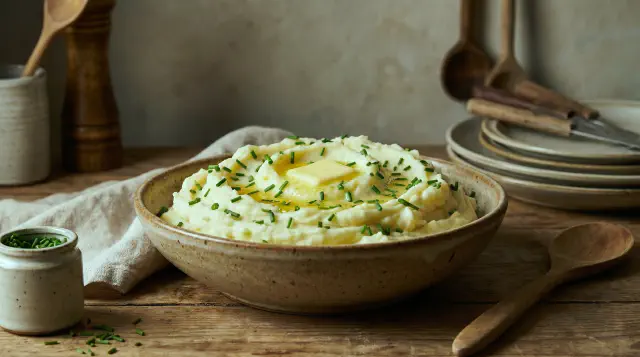
Serve traditionally with mashed potatoes or tagliatelle.
See Also
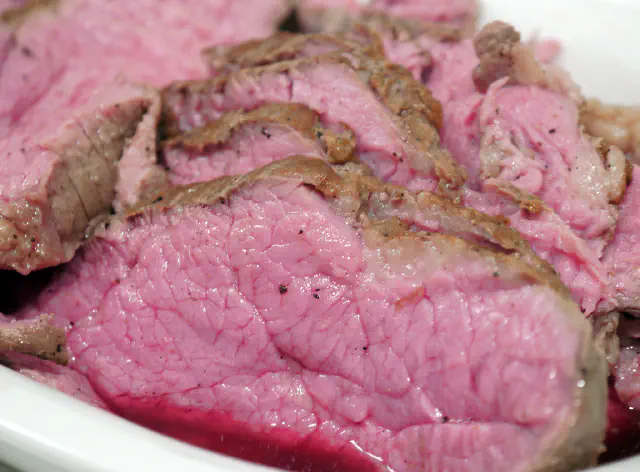
Beef Cuvette - Red Meat Sous Vide
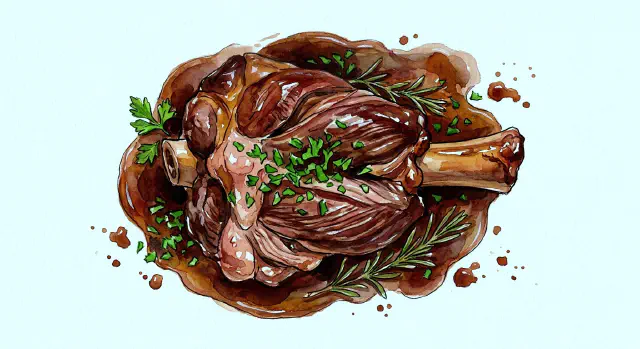
Braised Veal Shank