Sous Vide Pork Tenderloin
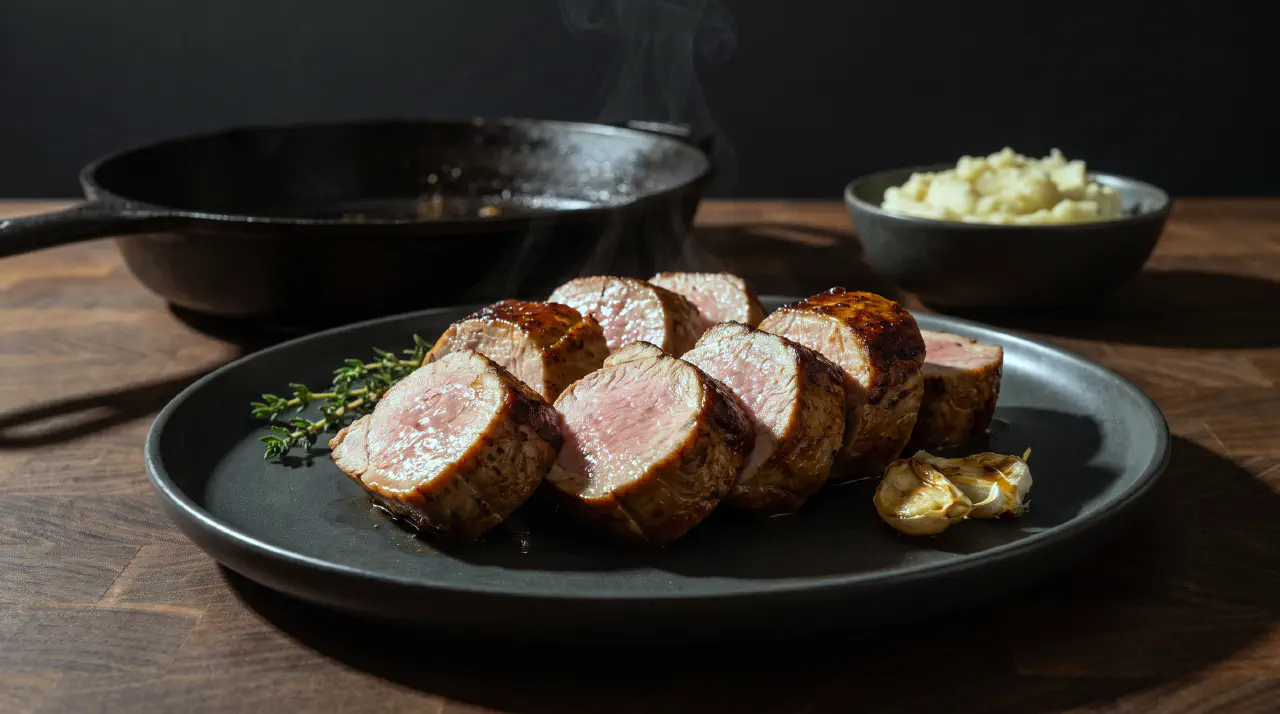
Sous Vide Pork Tenderloin
Pork tenderloin is the narrow, fast-cooking muscle that runs along the animal’s spine, not the larger pork loin roast it’s often confused with at the meat counter. It’s lean, mild, and small enough that two of them together barely take up more room in a pot than a single steak, which makes it an easy cut to underestimate and an even easier one to overcook.
That’s the real case for sous vide here - a technique French restaurant kitchens developed in the 1970s for exactly this kind of precision, and one home cooks only picked up once affordable immersion circulators arrived a decade or so ago. A conventionally roasted tenderloin has almost no margin: a few extra minutes in the oven and the outside is dry gray meat before the center catches up. A water bath removes that risk entirely, holding the whole cut at one exact temperature until it’s cooked through evenly, edge to edge, with nothing left to guess at. It also settles an old, unnecessary worry - the 145°F (63°C) figure stamped on USDA cooking charts is a conventional-oven number, not a sous vide one. Held long enough at a lower temperature, pork tenderloin pasteurizes safely well below that, which is exactly what lets it come out pink, juicy, and still perfectly safe to eat.
The method itself is short: season the meat, bag it with a sprig of thyme or rosemary and a smashed garlic clove if you like, and let the bath do the cooking. The only real technique comes at the end, searing hard and fast in a screaming-hot pan, then basting with butter in the last minute for a browned, savory crust the water bath can’t build on its own.
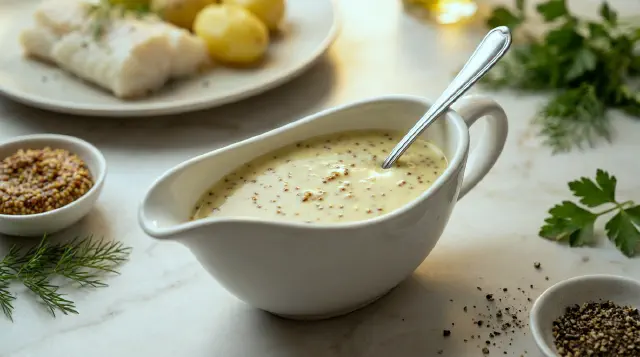
Slice it against the grain into medallions and serve it the way you’d serve any good roasted pork: alongside mashed or roasted potatoes, a sharp mustard or pan sauce, and something green like sautéed spinach or a simple salad. It’s simple enough for a weeknight and precise enough to bag ahead for a dinner party, since the timing takes care of itself while you’re busy with everything else.
Ingredients
Serves 4
- 2 pork tenderloins, about 450 g each, trimmed of silverskin and excess fat
- 1 1/2 tsp kosher salt
- 1/2 tsp black pepper, freshly ground
- 4-6 sprigs fresh thyme or rosemary (optional)
- 2 garlic cloves, lightly smashed (optional)
- 2 tbsp neutral oil (vegetable, canola, or rice bran), divided
- 2 tbsp unsalted butter
Directions
Trim each tenderloin of any silverskin and excess surface fat, then season generously on all sides with the kosher salt and pepper.
Fill a large pot or container with water and set an immersion circulator to 140°F (60°C). Put each tenderloin in its own vacuum bag or a heavy-duty zip-top bag, along with half the garlic and thyme or rosemary if using, and seal with a vacuum sealer or the water-displacement method.
Submerge the bags, clipping them to the side of the container so they stay fully underwater, and cook for 1 1/2 to 2 hours. That window is what a standard 1-2 inch thick tenderloin needs to cook through evenly and pasteurize at this temperature; holding it longer, up to about 4 hours, is safe and changes nothing, though quality starts to slide past that point.
Lift the bags out of the bath and take the tenderloins out. Pat them completely dry on all sides with paper towels - this is the step that actually determines whether you get a crust, since any surface moisture left on the meat just turns to steam in the pan and stops browning cold.
Heat 1 tablespoon of the oil in a cast-iron or other heavy skillet over high heat until it’s just smoking. Sear the tenderloins for 1 to 2 minutes per side, turning to brown all sides, about 4 to 6 minutes total.
Add the butter to the pan in the final minute of searing. Tilt the pan and spoon the melted butter over the meat a few times to baste it as it finishes browning.
Transfer the tenderloins to a cutting board or wire rack and let them rest for 3 to 5 minutes. Slice against the grain into medallions and serve.
Notes
140°F (60°C) is the standard medium target and the safest default if you’re not sure which doneness you want. For a more tender, pinker result, cook at 130-135°F (54-57°C) instead; for a firmer, more traditionally textured pork, go up to 145-160°F (63-71°C). The bath time stays the same across that whole range.
If you’d rather cook one larger tenderloin (about 2 lb / 900 g) instead of two smaller ones, the timing doesn’t change - it’s the thickness of the meat that governs cook time, not its total weight. Just check that the thickest point is no more than about 2 inches across.
A meat thermometer isn’t necessary for safety once the bath itself is confirmed at temperature, but it’s a useful way to double-check that the core has caught up before you pull the bags.
See Also
Air Fryer Pork Tenderloin
Beef Cuvette - Red Meat Sous Vide