Sous Vide Pulled Chicken
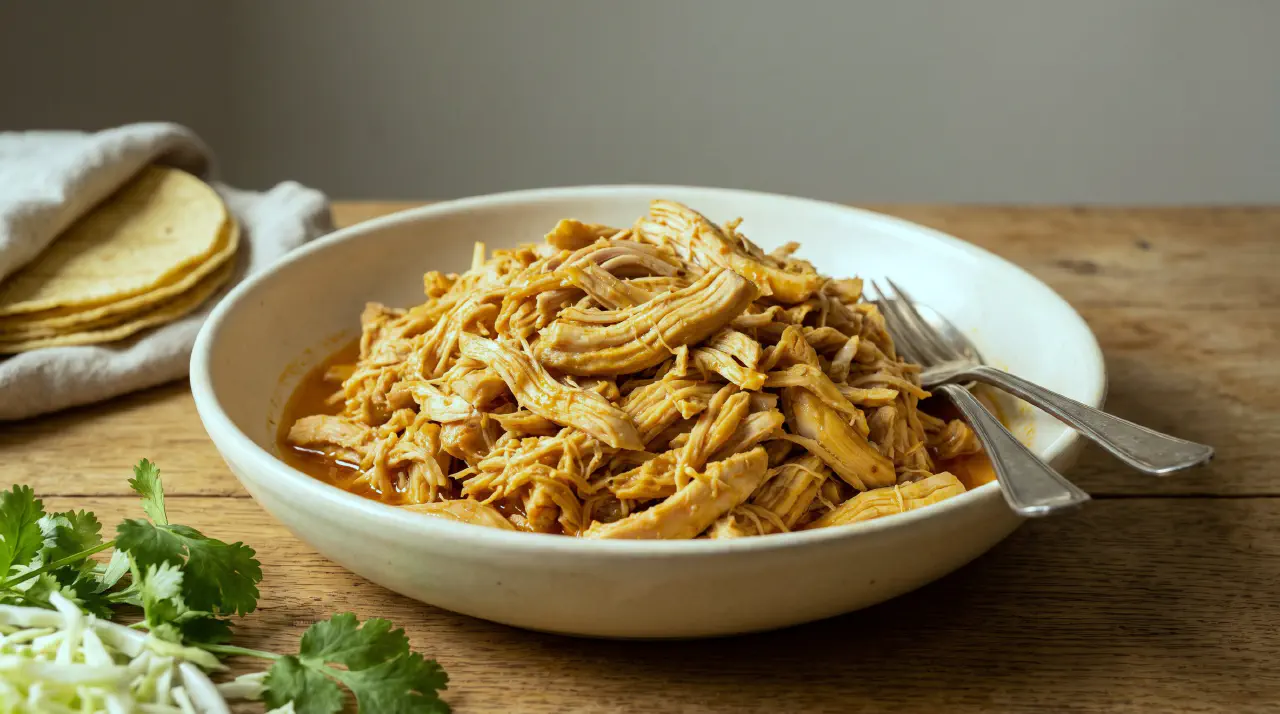
Sous Vide Pulled Chicken
Pulled chicken is what you get when you point a sous vide circulator at chicken thighs instead of pork shoulder or beef brisket. A dry rub of smoked paprika, garlic, onion, cumin, and oregano goes straight onto the meat, which then spends most of a day in a warm water bath until it falls apart at the touch of two forks. No smoker, no basting, no watching a thermometer all afternoon.
Chicken thigh is the only cut that actually works for this. It carries enough collagen that a long, low cook has time to melt it into gelatin, which is what lets the meat separate into clean shreds instead of just cooking through. Chicken breast can be pushed through the same process, but it stays lean the whole way and comes out closer to shredded-by-force than naturally pulled - worth knowing before you swap it in.
The payoff is a rub-forward, faintly smoky chicken that stays moist because the reserved bag juices go right back into it after shredding. That’s the same trick pulled pork relies on, and it matters even more here since chicken has so little fat of its own to fall back on.
Unlike pulled pork, this dish doesn’t come from a single food tradition - there’s no regional “pulled chicken” the way there’s Carolina or Texas pulled pork. It’s a newer, technique-first idea: cooks borrowed the pulled-meat concept and applied it to chicken once precise water baths made it practical, and it’s used mainly as a flexible base rather than a dish with its own history.
That flexibility is the point. Pile it onto warm tortillas with shredded cabbage and avocado for tacos, stir in barbecue sauce and load it onto a bun for a sandwich, or toss it cold through a green salad. It also holds up well over a few days in the fridge, which makes it a good one to build ahead of a week of lunches.
Ingredients
Serves 4-6
- 900 g boneless, skinless chicken thighs (bone-in works too, add extra time - see Notes)
- 1 tbsp smoked paprika
- 1 tbsp garlic powder
- 1 tbsp onion powder
- 1 tsp ground cumin
- 2 tsp dried oregano
- 1 tsp fine salt
- ½ tsp black pepper, freshly ground
- 2 tbsp neutral oil (vegetable or light olive oil)
- 120 ml low-sodium chicken broth
- 1 lime, juiced (optional, for tacos)
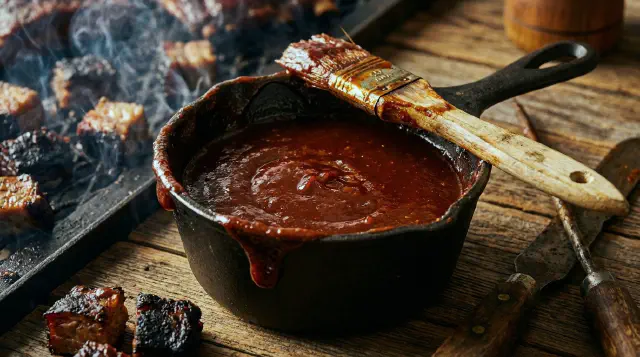
- 120-240 ml barbecue sauce (optional, for sandwiches)
- warm tortillas (corn or flour) or burger buns, for serving
- shredded cabbage, pickles, cilantro, avocado, for serving (optional)
Directions
Stir the smoked paprika, garlic powder, onion powder, cumin, oregano, salt, and pepper into the oil until it forms a thick paste. Rub it over the chicken thighs, coating every side.
Seal the chicken and the chicken broth together in a vacuum bag, or use a zip-top bag and the water displacement method if you don’t have a chamber sealer.
Set the water bath to 165°F (74°C) and lower in the bag once the water is up to temperature. Cook for 8-12 hours. That long, low hold is what gives the collagen in the thighs time to break down into gelatin - the same cook at only 3-4 hours will leave the chicken tender but not truly shreddable. Keep the bath covered and topped up with water over such a long stretch.
Lift the bag out of the water and pour off the cooking liquid into a small saucepan. While the chicken is still warm, shred it into bite-sized pieces with two forks or your hands.
Simmer the reserved liquid for a couple of minutes to concentrate it, then pour it back over the shredded chicken and toss to coat - this is what keeps pulled chicken from tasting dry. For tacos, stir in the lime juice and pile the chicken onto warm tortillas with shredded cabbage, pickles, cilantro, and avocado. For sandwiches, toss the chicken with barbecue sauce instead of, or alongside, the reduced liquid, and serve it on buns.
Notes
For a faster cook, 180°F (82°C) for 3-5 hours is a validated alternative. It works best paired with braising the chicken directly in a sauce inside the bag rather than a dry rub, closer to a chipotle-tomato braise than a plain rub-and-broth bag.
Boneless, skinless chicken breast can stand in for thigh, but it won’t shred as cleanly - thigh’s higher collagen content is what lets the long, low cook convert connective tissue into gelatin. Expect a stringier result with breast, closer to pulled-by-force than naturally fall-apart.
If using bone-in, skin-on thighs, add extra time to the water bath and pull out the bone, skin, and cartilage before shredding.
Don’t skip the reserved bag juices. They keep the shredded chicken moist and carry most of its flavor.
See Also

Air Fryer Chicken Taquitos
Beef Cuvette - Red Meat Sous Vide
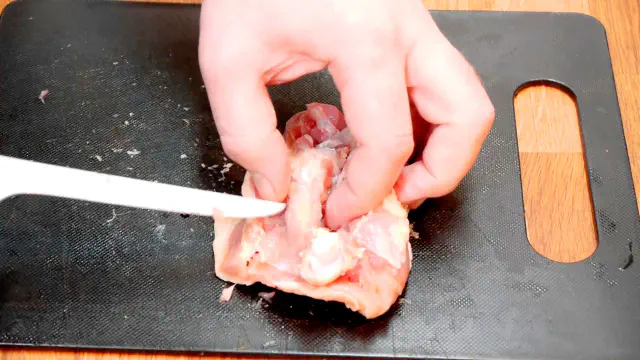
Deboning A Chicken Thigh
Kansas City BBQ Sauce