Raspberry jam - strawberry jam
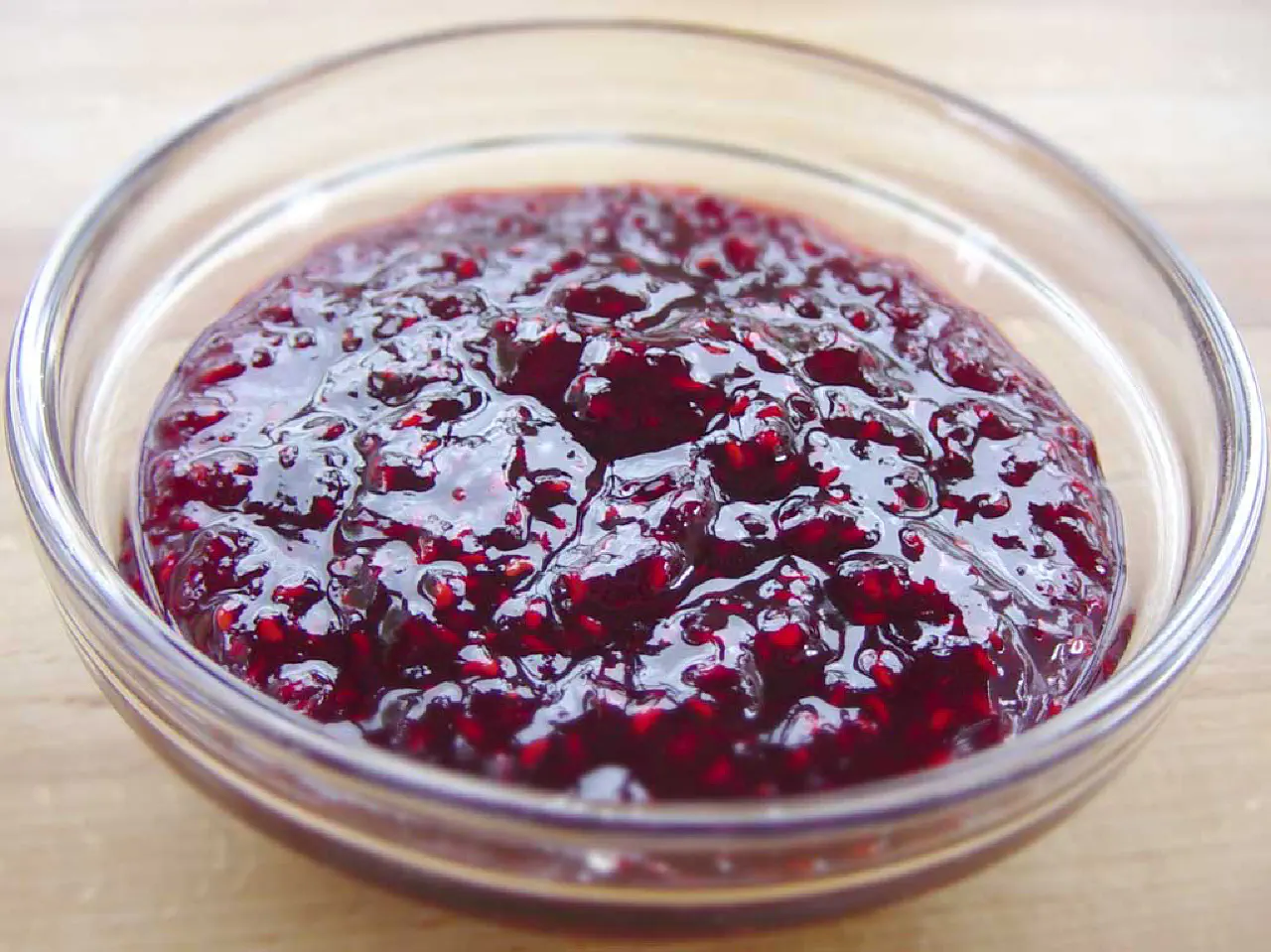
Raspberry jam © kvalifood.com
Video recipe - Raspberry and strawberry jam are made the same way. You can actually use almost any kind of fruit with the same recipe. It is the classic farmhouse recipe: pound for pound — one pound of sugar to one pound of berries — cooked to the right consistency. There are, however, a couple of tips worth knowing.
Ingredients
- ½ dl water
- 300 g berries
- 300 g sugar
- ½ lemon, the juice (only if the berries are not acidic enough)
Directions
Cover the bottom of a saucepan with water.
Add the berries.
Pour the sugar over.
Let it all come to a boil. Stir occasionally so it does not burn.
When it is nearly done, taste and add lemon juice if needed.
When the bubbles start to merge across the entire surface, the jam is ready.
If you have a cooking thermometer or sugar thermometer, the temperature should be between 215°F (103°C) and 220°F (105°C).
Notes
The jam will taste freshest if it is allowed to reduce at a relatively low temperature. This is gentler on the berries. So it is an advantage to use a wide pan or a wide saucepan. With small portions like this one it does not make a big difference. I use a regular saucepan.
I always use frozen fruit for my jam. The local fruit supplier sells it in 300 g bags, which is why the recipe is the way it is. It also happens to be just the right amount for one batch of raspberry slice cookies.
Raspberries break down on their own when cooked. For strawberries and other firmer fruit I usually chop them into quarters so there are not too large chunks.
The difference between marmalade and jam is hard to define. It is a strange combination of history and food legislation. By law, marmalade only needs to contain 25% fruit, while jam requires 45%. So jam is the “premium” version. Strictly speaking this recipe should be called “raspberry preserve — strawberry preserve”, but I doubt the food police will come after me for it.
The main reason for making jam is that a high sugar content preserves the fruit, keeping it through winter. But jam also gives a texture that neither the sugar nor the fruit can achieve on its own.
Jam is normally made with 45–55% sugar by weight. Once cooked down, up to two thirds of the weight can be sugar. You can use less sugar for a stronger fruit flavour, but the jam will keep for less time. In these days of refrigerators that is less of a problem — it can also be frozen.
The word marmalade comes from the Italian word marmelatta, which comes from the Portuguese word marmelo, meaning quince. It was applied to the Greek “melimelon” — quince preserve with honey as sugar and preservative. One of the very earliest jams. So Greek quince marmalade is in fact the ancestor of the jam we know today.
See Also
Apple Jelly
Raspberry Jam
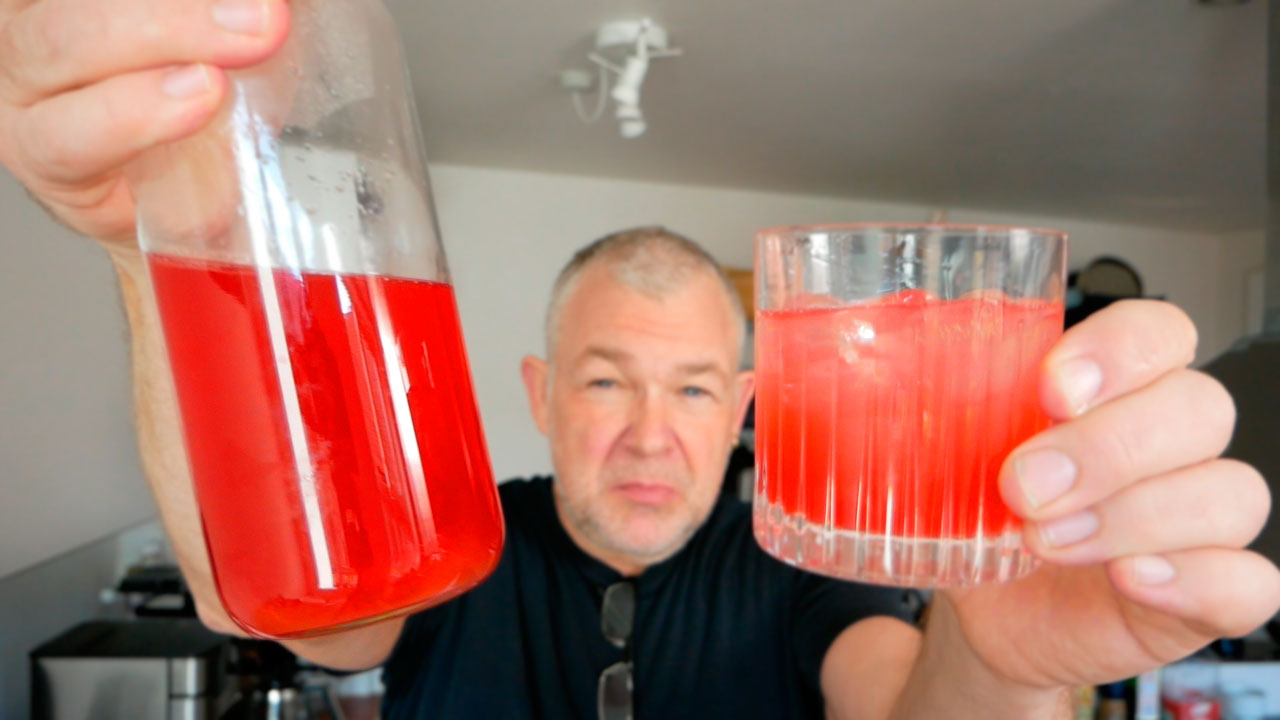
Homemade Rhubarb Squash
Classic Rhubarb Porridge
Classic Apple Sauce