Produce Handling
Produce Handling
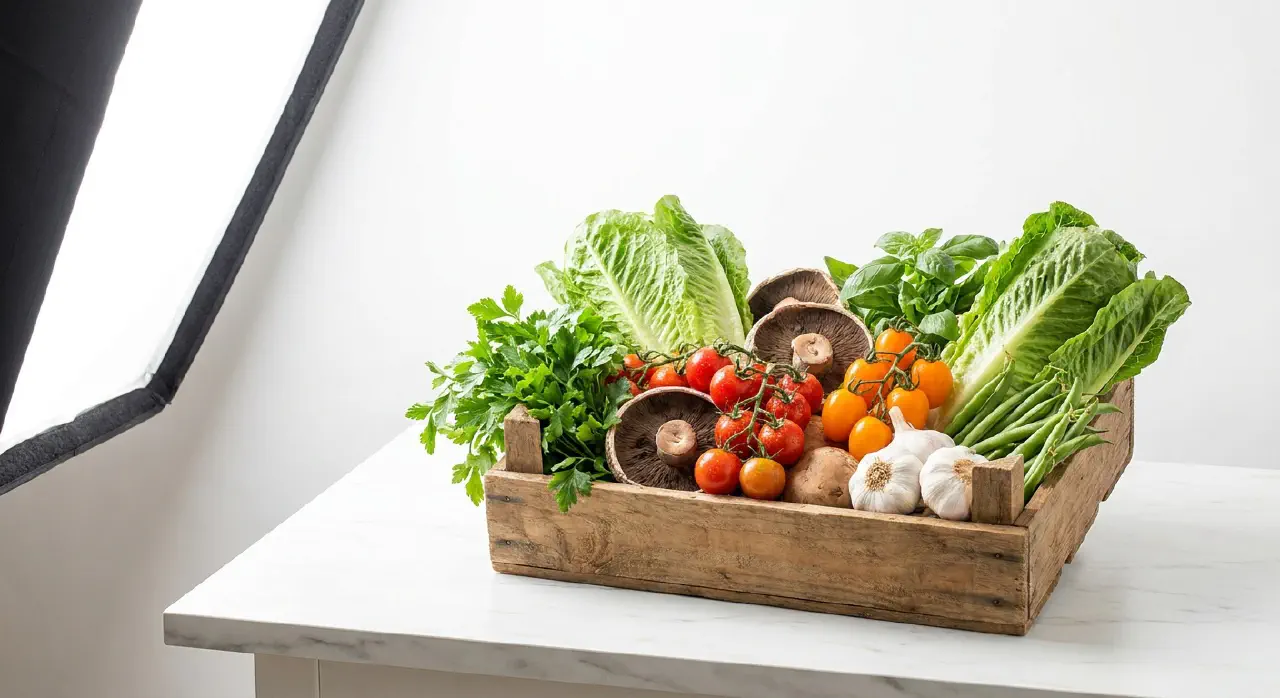
Once harvested, fruits and vegetables are severed from their nutrient supply. The cells survive — for weeks or months in some cases — but they consume themselves, accumulate waste, and deteriorate. Flavor, texture, color, and nutrients all suffer. Understanding the mechanisms of post-harvest deterioration turns produce storage from guesswork into applied science.
Why deterioration happens
Plant cells keep metabolizing after harvest: they burn sugars for energy, consume stored nutrients, and generate waste products. The rate varies enormously by species. High-metabolism produce (mushrooms, ripe berries, apricots, figs, avocados, papayas) deteriorates within days. Low-metabolism produce (apples, pears, kiwi, cabbages, carrots) can keep for weeks or months under good conditions.
Vegetable Cooking
Vegetable Cooking
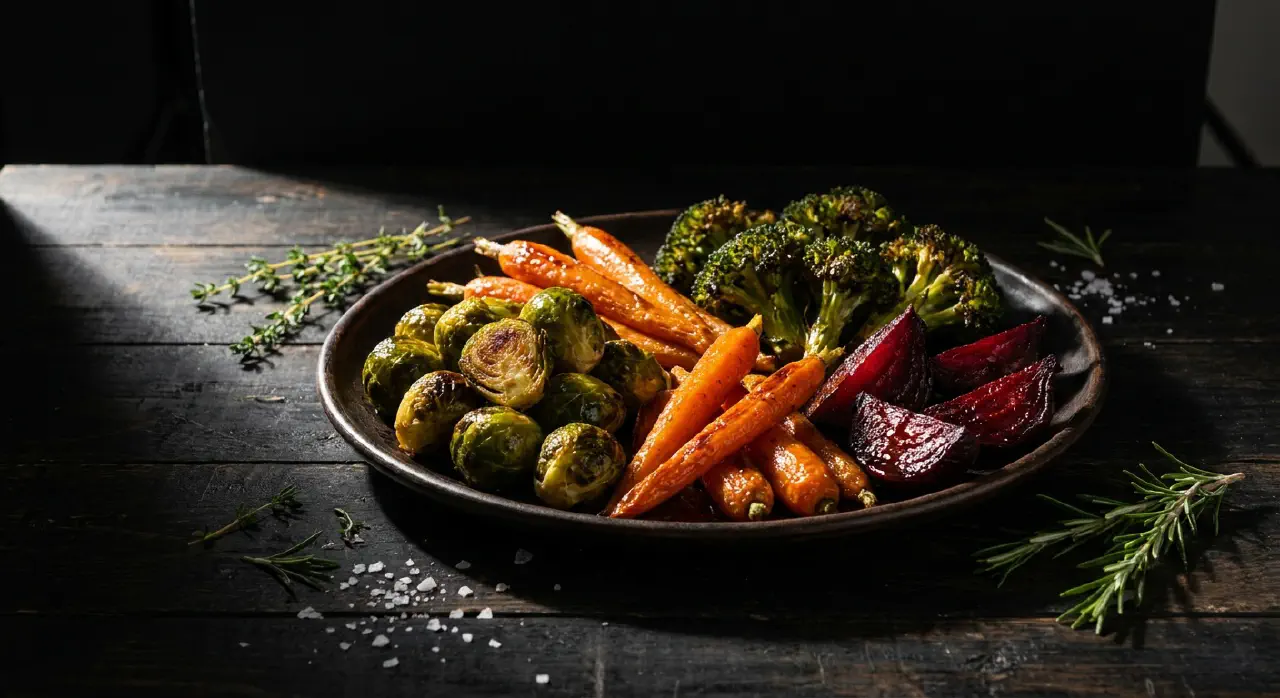
Cooking vegetables is, in principle, simpler than cooking meat — plant tissues are mainly carbohydrates, which tolerate heat better than proteins. But the simplicity is deceptive. Vegetables occupy one of cooking’s narrowest temperature windows: only 10°C separates “still crunchy” from “mush,” and both color and nutrients degrade rapidly with overcooking.
Why vegetables are forgiving — and unforgiving
Plant cell walls are built from cellulose fibers held together by pectin, a gel-forming carbohydrate. Unlike proteins, which tighten and expel water when heated, carbohydrates simply disperse into the tissue moisture, producing soft, succulent textures. There is no equivalent of the “overcooked steak” failure mode — vegetables don’t get tough, they get soft. The danger is going too far.