Plant Preservation
Plant Preservation
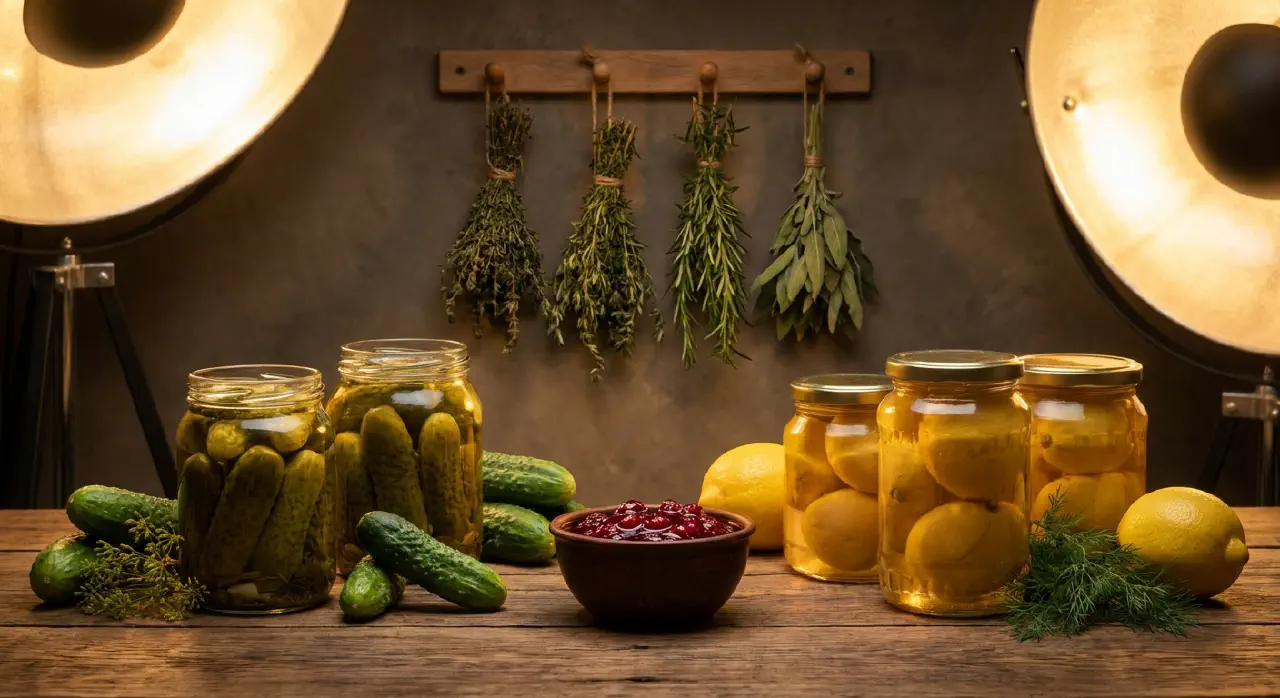
Preserving fruits and vegetables indefinitely requires two things: inactivating the plant’s own enzymes (which cause self-digestion) and making the environment inhospitable to microbes. Every preservation method achieves this through some combination of removing water, adding acid, adding sugar, adding salt, excluding oxygen, or applying heat. The methods range from prehistoric (sun-drying, fermentation) to industrial-age (canning, freeze-drying).
Drying
The oldest method. Reducing tissue water content from ~90% to 5–35% creates conditions in which little can grow.
Spice Handling
Spice Handling
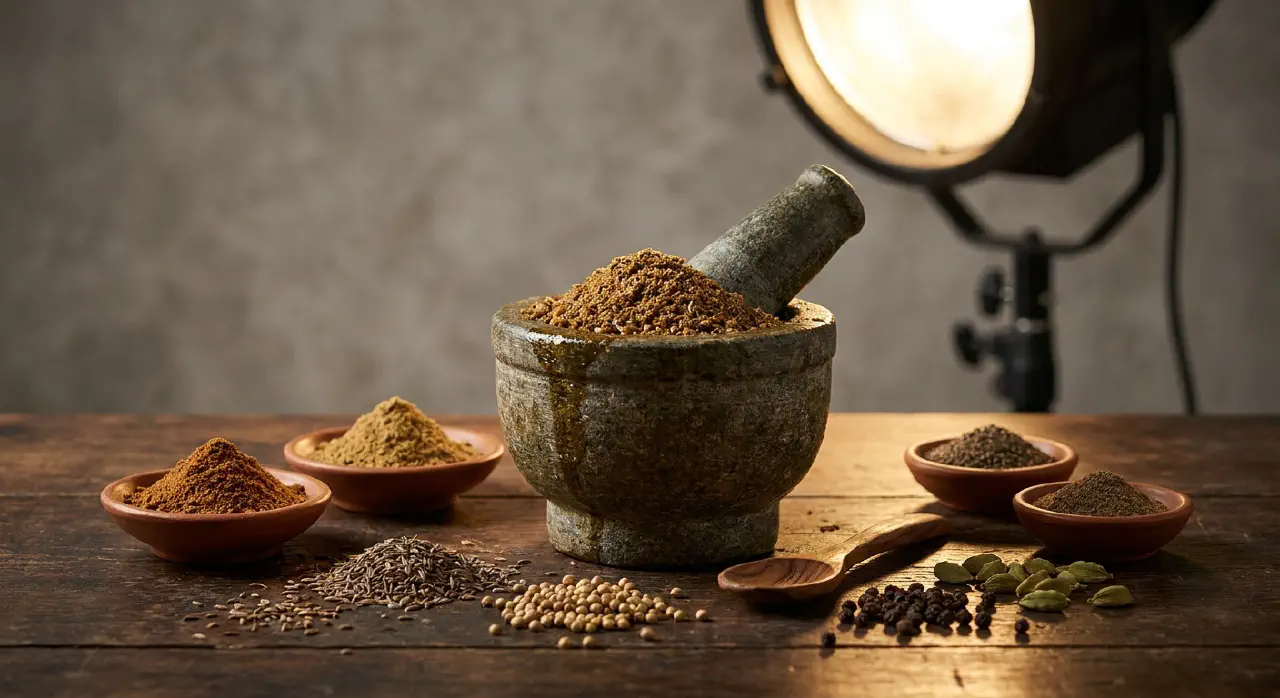
The gap between a vibrant spice and a dusty one comes down to handling — how it was dried, stored, ground, and introduced into the dish. The core challenge is that the same volatility that lets aroma compounds reach the nose also lets them escape into the air. Every step from harvest to plate is a race against evaporation and oxidation.
Storage fundamentals
Whole spices retain aromas within intact cells and keep well for a year or more. Ground spices expose enormous surface area to oxygen and light, losing characteristic aroma within months. The rule: opaque glass containers, freezer is optimal (warm to room temperature before opening to prevent moisture condensation). Cool, dark, dry room temperature is acceptable short-term. Black pepper is especially light-sensitive — UV rearranges piperine into nearly tasteless isochavicine.