Cakes and Batters
Cakes and Batters
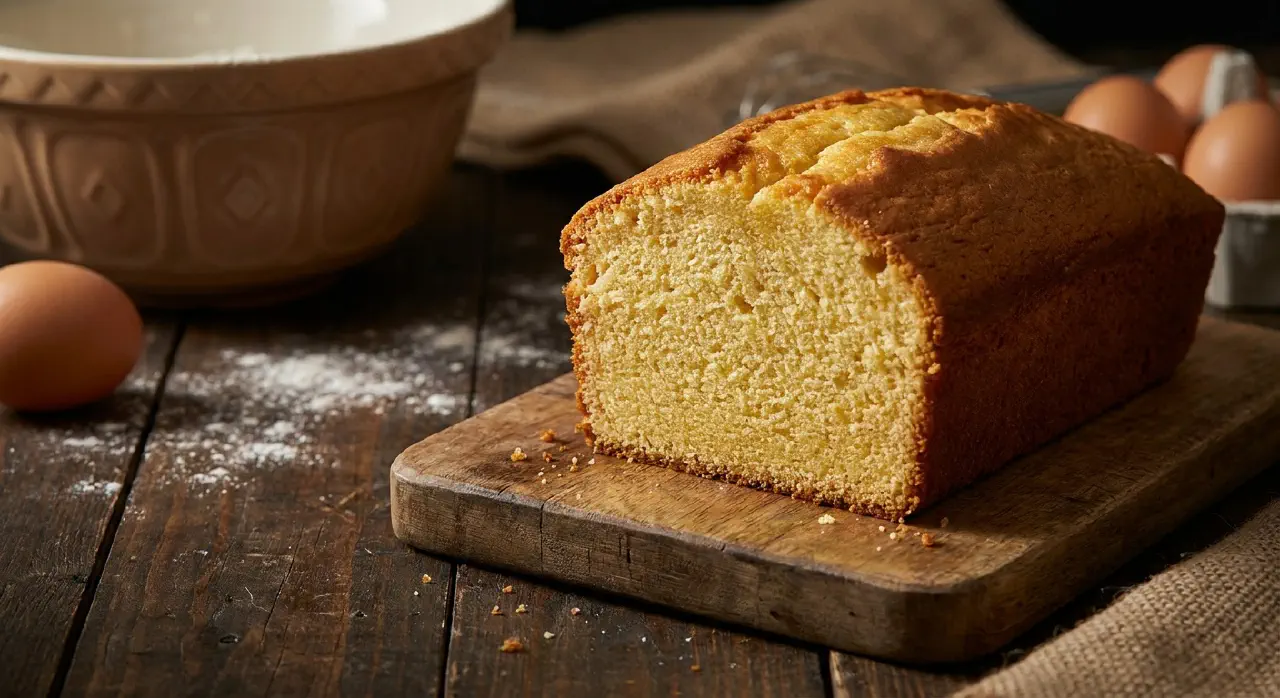
Batters are the liquid end of the flour-water spectrum — containing 2–4× more water than doughs. This excess water disperses gluten proteins so widely that they form only a loose, fluid network, fundamentally shifting the structural roles: starch becomes the primary building material, and gluten plays a background role providing just enough cohesion to prevent crumbliness. Every technique in cake and batter cookery is designed to keep it that way.
Leavening
Leavening
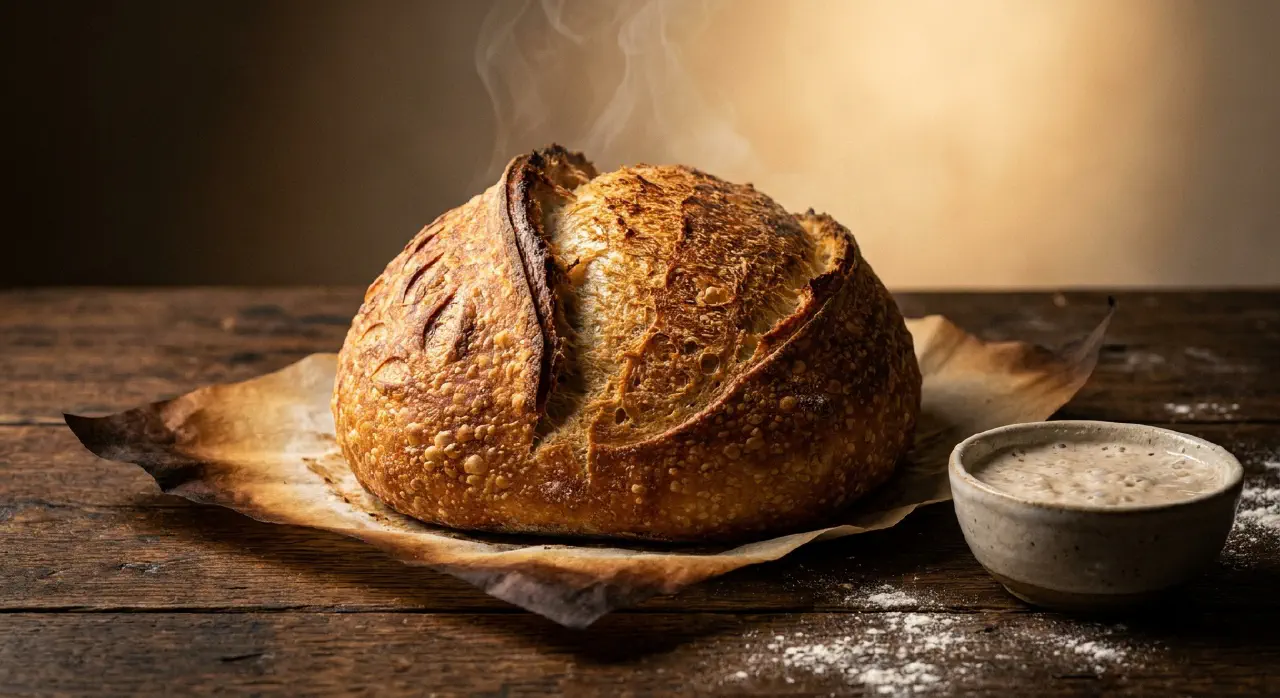
Leavening is the introduction of gas into dough or batter to make it light and porous. Three gas sources exist — biological (yeast), chemical (baking soda/powder), and physical (steam, mechanical aeration) — and most preparations combine two or more. The choice of leavening system shapes not just texture but flavor, timing, and the entire workflow of baking.
Biological leavening: yeast
Saccharomyces cerevisiae — baker’s yeast — metabolizes sugars to produce CO₂ and ethanol. In the oxygen-poor interior of dough, it ferments rather than respires, generating gas slowly over hours. This slowness is a feature: it allows time for gluten development, enzyme activity, and the accumulation of flavor compounds (organic acids, alcohols, aldehydes) that give bread its complexity.