Cakes and Batters
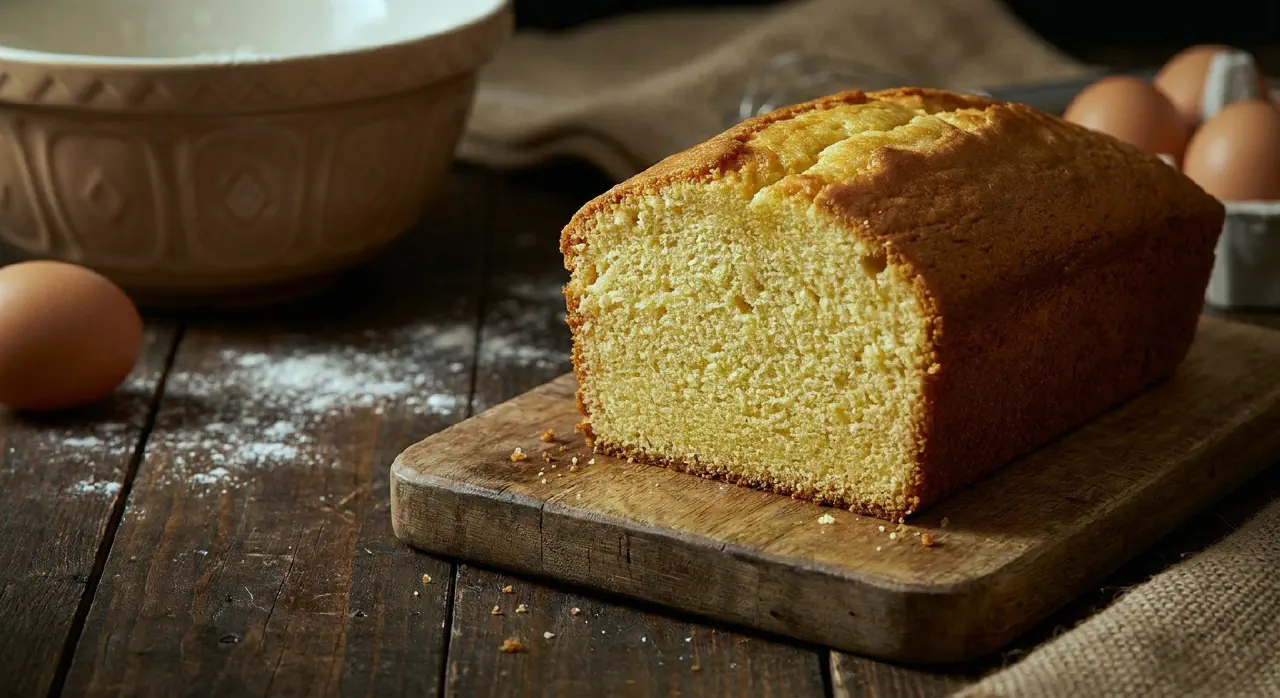
Batters are the liquid end of the flour-water spectrum - containing 2–4× more water than doughs. This excess water disperses gluten proteins so widely that they form only a loose, fluid network, fundamentally shifting the structural roles: starch becomes the primary building material, and gluten plays a background role providing just enough cohesion to prevent crumbliness. Every technique in cake and batter cookery is designed to keep it that way.
The structural inversion
In bread, gluten is the star - trapping gas, creating elasticity, setting into the crumb skeleton. In cakes and batters, gluten is deliberately suppressed through multiple overlapping strategies:
- More water - disperses proteins widely, preventing contact and bonding
- Cake flour - low protein (7–9%), chlorine-treated starch that absorbs water differently and creates finer crumb
- Minimal mixing - limits protein contact time
- Fat - bonds to hydrophobic gluten portions, blocking protein-protein connections
- Sugar - binds water molecules, interrupting the gluten-water network
- Buttermilk/yogurt - thicker than water, so less flour needed for proper batter consistency, meaning less gluten per spoonful
With gluten sidelined, starch granules become the load-bearing walls. During baking, they absorb water, swell, gelatinize, and leak amylose - creating the rigid structure around gas bubbles. The transition from closed foam (separate bubbles) to open sponge (connected pores) happens when expanding bubbles rupture their thin starch walls, at 155–180°F (68–80°C).
Cake flour’s secret: Chlorine treatment modifies starch granules to absorb water differently, creating a finer, more uniform crumb. It also leaves trace acidity (HCl) that benefits batter chemistry. No combination of other flours replicates this exactly.
Cake methods
Creaming method
The workhorse technique for butter cakes, pound cakes, and most layer cakes:
- Cream butter and sugar - mechanical beating incorporates air bubbles into the fat phase. These bubbles are the nucleation sites for all subsequent leavening; without good creaming, the crumb will be coarse.
- Add eggs one at a time - each egg coats the butter-sugar particles and adds emulsifying lecithin. Egg proteins will later coagulate during baking, adding non-elastic structure.
- Alternate dry ingredients and liquid - adding flour and milk in stages prevents lumping and controls gluten exposure. Each flour addition is mixed only until incorporated.
- Bake - chemical leaveners expand the creamed-in bubbles, starch gelatinizes, egg proteins set, and the crumb structure locks in.
Foam cakes
Angel food cake: The extreme minimalist - whipped egg whites, flour, and sugar, no fat at all. The whipped-white foam is the entire structure. Flour and sugar are folded in gently to preserve aeration. The result is extraordinarily light and tender, with a slightly chewy, springy crumb from the egg-white protein network.
Chiffon cake: A hybrid - whipped egg whites folded into a batter containing oil or egg yolks. Lighter than creaming-method cakes but richer than angel food. The fat makes it more tender and moist while the foam provides lift.
Muffin method
The anti-technique technique: dry ingredients mixed together, wet ingredients (eggs, milk, melted butter/oil) mixed separately, then the two combined with minimal stirring - lumpy batter is correct. Overmixing develops gluten, producing tough, tunneled muffins instead of tender, coarse-crumbed ones.
Chemical leavening (baking powder, sometimes baking soda with buttermilk) provides all the lift. No creaming, no whipping - speed and restraint are the method.
Griddle cakes and crêpes
Crêpes: Thin, unleavened pancakes - an ancient preparation known for over 1,000 years. Simple batter (flour, milk/water, eggs) rested for 1+ hour so proteins and damaged starch absorb water and air bubbles escape. Cooked 2 minutes per side on a hot, lightly greased pan. Delicacy comes from thinness, not leavening. Breton tradition uses buckwheat flour and sometimes beer.
Pancakes: Thicker, leavened with chemical agents, whipped whites, yeast, or combinations. Poured onto a griddle; cooked until bubbles rise and break on the upper surface, then flipped. The gas-interrupted batter creates a tender, aerated interior. Russian blinis sometimes include beer for effervescence.
Crumpets: English yeast-raised small flat cakes. Thick batter poured into ring molds, cooked slowly so yeast-produced bubbles rise to the surface, break, and set - creating the distinctive cratered top with holes that trap butter.
Waffles: Batter pressed between heated embossed plates that spread it thin, conduct heat rapidly, and stamp a grid pattern. The grid indentations increase crisp browned surface area and create reservoirs for butter and syrup. Crispness requires high fat and/or sugar - otherwise flour proteins and starch absorb too much softening water, producing tough rather than crisp surfaces.
Wafers (ice cream cones, gaufrettes): Even thinner and dryer than waffles. High-sugar versions become dense and nearly hard. The extreme surface-to-volume ratio allows complete moisture escape during baking.
Quick breads: biscuits and scones
Despite the name, these are closer to pastry than to cake - stiff doughs with solid fat pieces, not liquid batters.
American biscuits: No sugar, often no eggs. Buttermilk, flour, solid fat (cut in), baking soda. Minimal handling - crusty top with tender interior (minimal gluten) or flat top with flaky interior (just enough folding to create layers). Floury taste is characteristic; the simplicity of ingredients means flour flavor dominates.
English scones: Essentially the same as American biscuits. Simple, basic, floury.
Irish soda bread: Soft whole-wheat flour, no added fat, leavened with soda and buttermilk acidity. Dense, earthy, straightforward.
All three stale rapidly compared to yeasted breads - the chemical leavening doesn’t produce the flavor acids and alcohols that retard staling.
Starch’s role as primary structure
In cakes, starch comprises 70–80% of flour weight and serves as the major structural material. The bubble structure of a cake crumb consists of millions of thin sheets of gelatinized starch (and minor gluten) surrounding gas pockets. The critical baking moment is when starch gelation temperature (155–180°F) is reached:
- Starch granules absorb water and swell rigidly
- Expanding pressure ruptures bubble walls
- Closed foam (separate bubbles) transforms into open sponge (interconnected pores)
- The sponge structure locks in as starch and egg protein set
If this transition fails (oven too cool, batter too wet, too much sugar delaying gelation), the cake collapses.
See also
- gluten-science - why cakes suppress gluten and how each ingredient contributes
- leavening - chemical leaveners, mechanical aeration, and their timing in batters
- starch-gelatinization - the foam-to-sponge transition that defines cake structure
- pastry - the dough-based counterpart; quick breads bridge pastry and cake
- eggs - egg proteins as structural reinforcement and foam stabilizers
- maillard-reaction - browning and flavor development in cake crusts