Custards
Custards
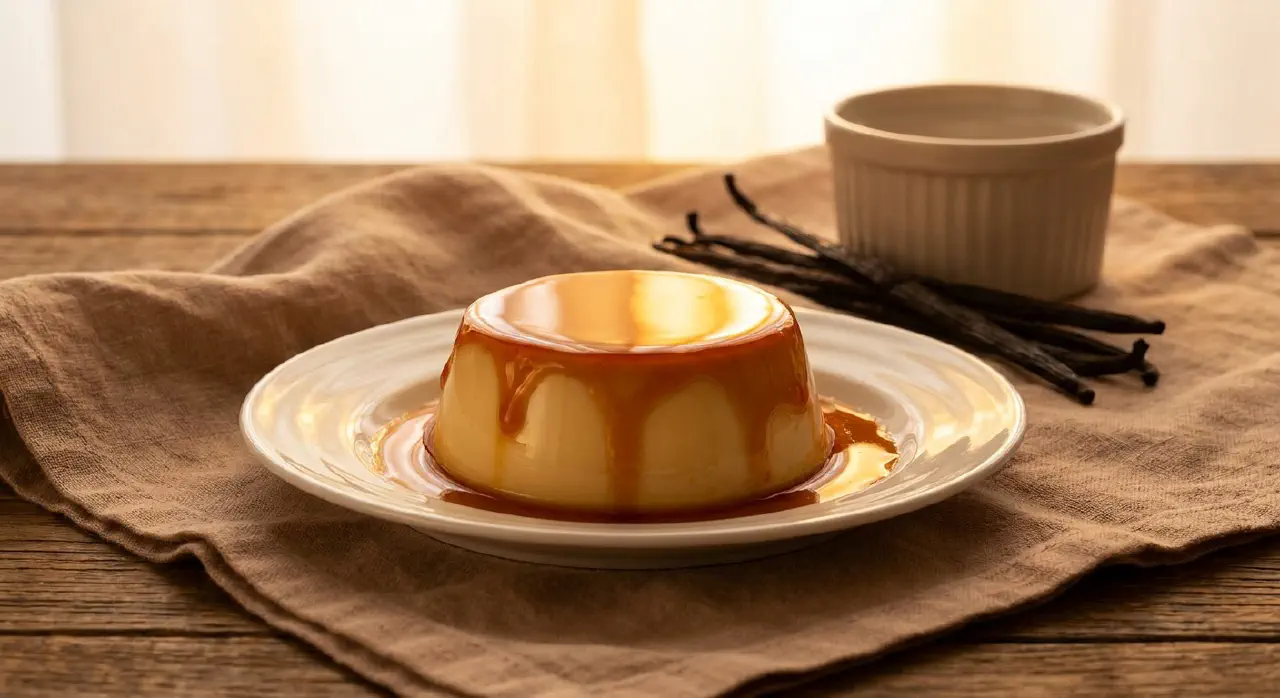
A custard is egg proteins diluted in milk or cream, cooked until the proteins form a delicate network that traps the liquid. The fundamental ratio — roughly 1 egg per 1 cup liquid plus 2 tablespoons sugar — produces a gel so fragile that a few degrees of overcooking can destroy it. Mastering custards means mastering temperature control.
The two families
All custards divide into two categories based on how they’re cooked:
Eggs
Eggs
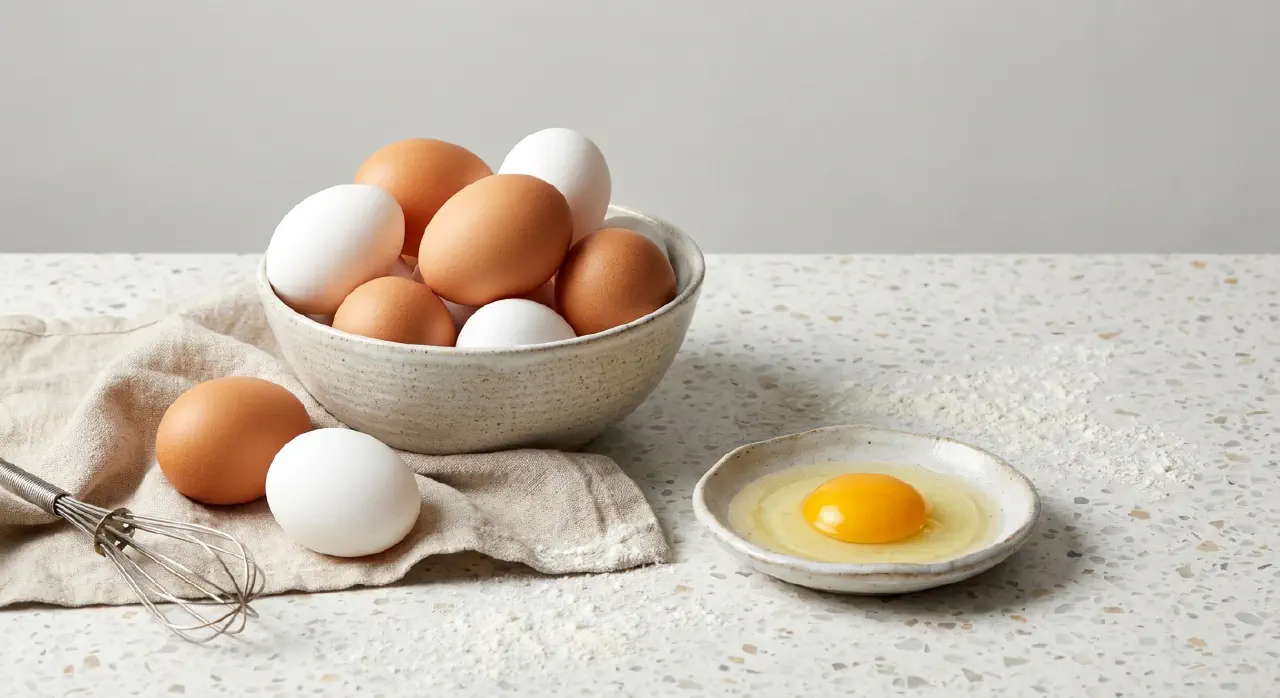
Eggs are the most versatile ingredient in cooking — they thicken, emulsify, leaven, bind, coat, and enrich. This versatility comes from their proteins, which respond to heat, acid, air, and mechanical force in predictable ways that no other single ingredient can match. Understanding egg science means understanding the biology first: every cooking property the egg possesses is a side effect of its original job — supporting 21 days of embryonic development inside a sealed calcium shell.