Cheese
Cheese
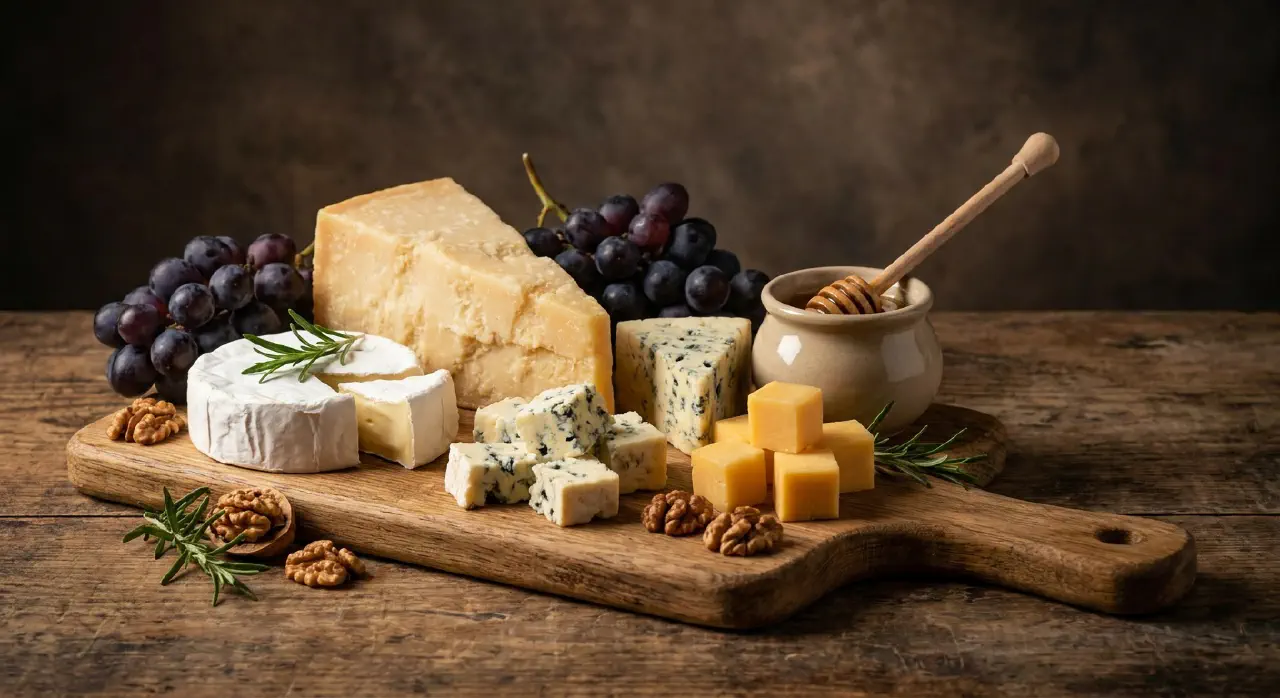
Cheese is milk made more concentrated, more durable, and more flavorful through controlled coagulation of casein proteins, removal of whey, and — in aged cheeses — prolonged enzymatic breakdown of proteins and fats. It is one of the oldest fermented foods, with archaeological evidence dating to ~2300 BCE, and one of the most diverse: France alone produces several hundred distinct varieties, each a product of local milk, climate, microbes, and tradition.
Meat Aging
Meat Aging
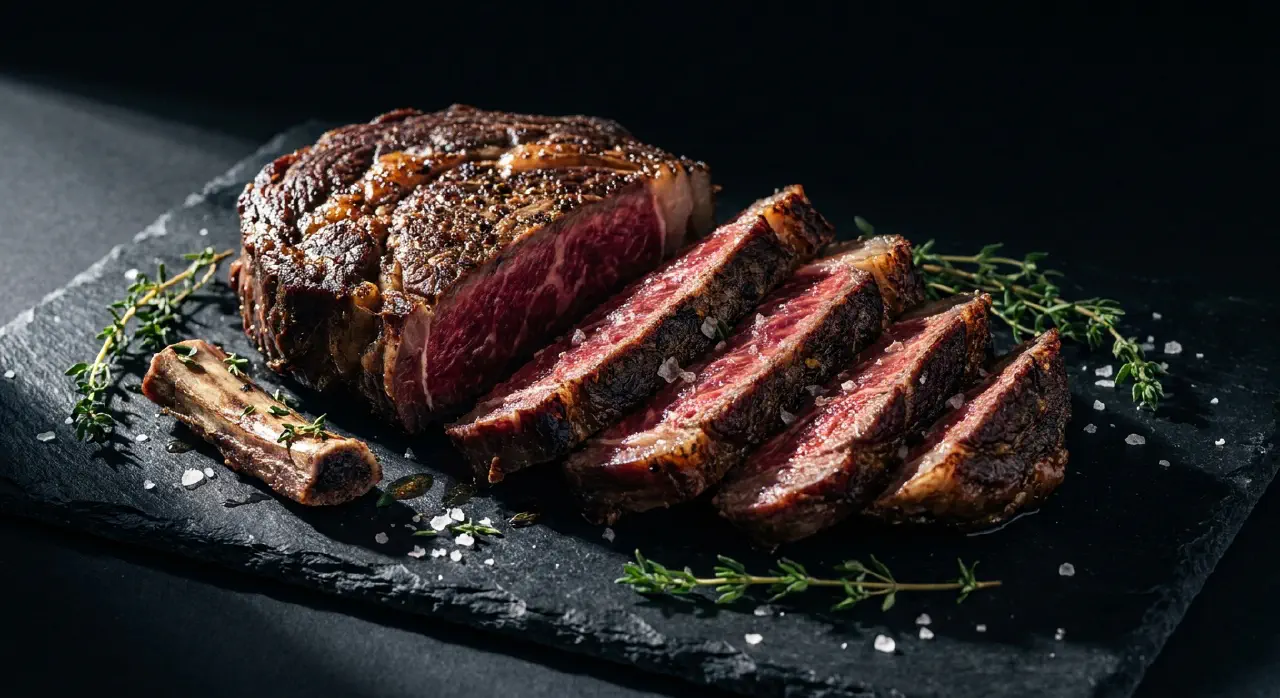
Aging is the controlled enzymatic breakdown of meat after slaughter. While popularly understood as a tenderizing process, its primary benefit is flavor development — enzymes convert large, flavorless molecules into small, intensely savory ones. The tenderizing effect is secondary and largely resolves within the first few days.
Rigor mortis
Immediately after slaughter, muscles are relaxed and extremely tender — if cooked within the first hour or two, the meat would be exceptionally soft. But this window closes quickly: once muscle energy (ATP) is depleted (within ~1 hour for lamb, pork, and chicken; ~2.5 hours for beef), the contractile filaments lock permanently. This is rigor mortis.