Cooking Science Wiki
 read more
Crust Engineering
Crust Engineering
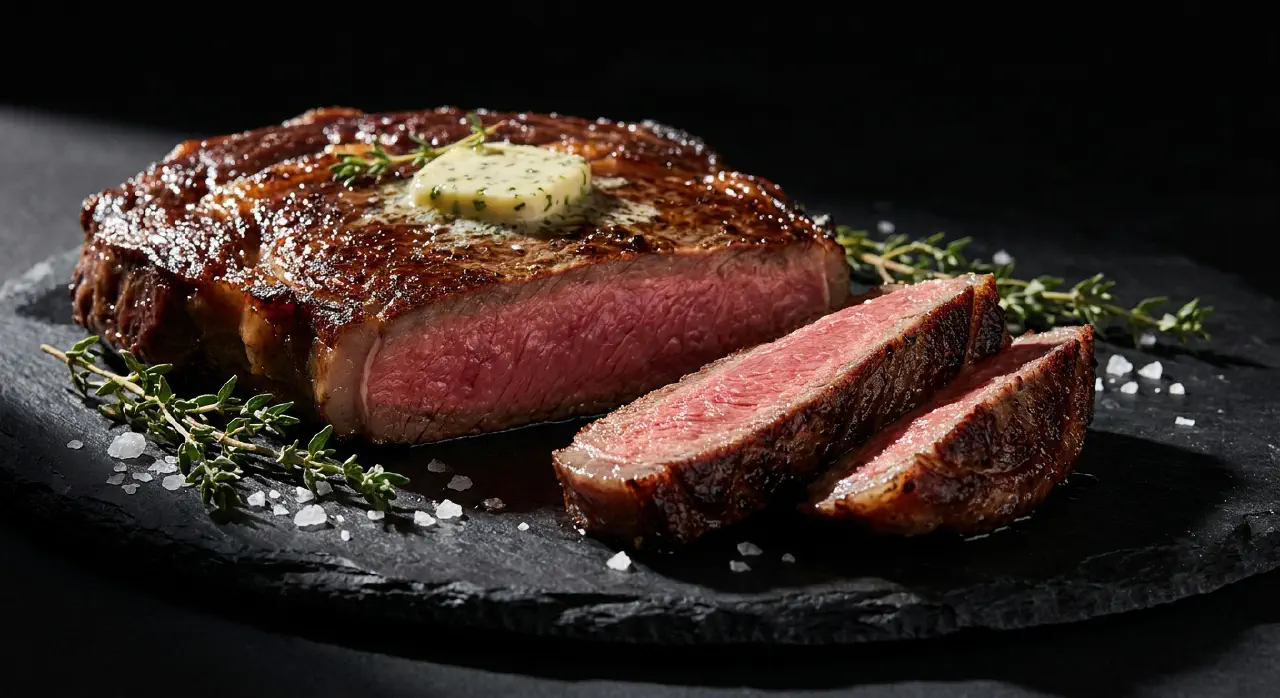
Crust is not just color — it is a structural transformation of the food’s outer millimeters. The art of crust engineering is managing the thermal gradient so the surface browns deeply while the interior remains at target temperature. Understanding the temperature zones that create flavor is essential for both delicate proteins and robust cuts.
The Flavor Window
Three distinct zones overlap on a temperature axis:
- Maillard reaction (140–165°C) — Amino acids combine with sugars, creating savory, umami, and meaty complexity. The foundation of cooked food flavor.
- caramelization (160–190°C+) — Sugar polymers break down and recombine into nutty, toffee, and bittersweet compounds. Adds sweetness and depth.
- Carbonization (200°C+) — Organic matter breaks down further into bitter and acrid compounds. Destructive; indicates burning.
The most interesting layered flavors live in the 170–190°C overlap zone where both Maillard and caramelization operate simultaneously.