Citrus
Citrus
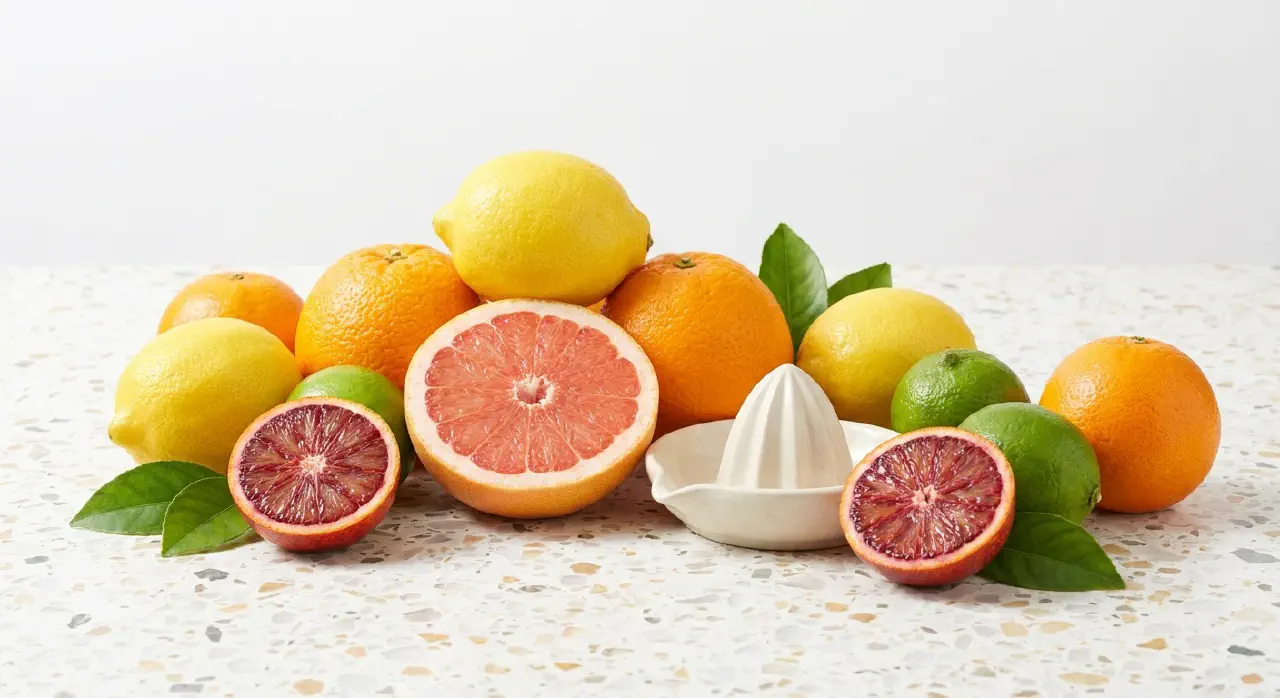
Among the most important tree fruits globally, originating in southern China, northern India, and Southeast Asia. All common domesticated citrus descend from just three parent species — citron (C. medica), mandarin (C. reticulata), and pummelo (C. grandis) — with the rest being natural and intentional hybrids of extraordinary variety. All citrus are non-climacteric: they ripen gradually on the tree, lack starch reserves, and cannot improve in sweetness after harvest. Their meaty peel, gel-making pectins, and robust post-harvest shelf life make them the most shippable of fresh fruits.
Mushrooms and Fungi
Mushrooms and Fungi
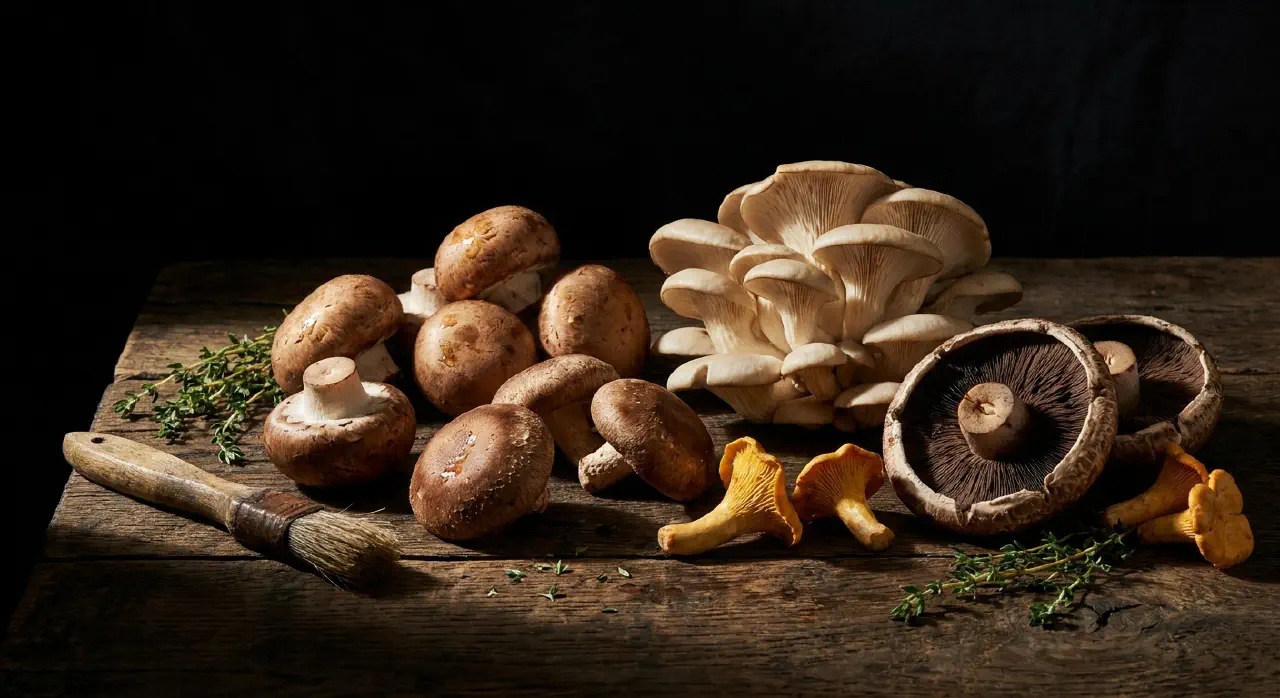
Mushrooms are not plants. They belong to a separate biological kingdom — Fungi — alongside molds and yeasts. They lack chlorophyll and cannot photosynthesize; instead, they live off other organisms’ substance. This fundamental difference gives them unique kitchen properties: chitin cell walls that never dissolve, extraordinary umami concentration, and flavor that intensifies with drying rather than fading.
Biology
What we eat is only the fruiting body — a small, ephemeral reproductive structure. The bulk of the organism lives underground as a fine network of fibers (hyphae) ramifying through soil: a single cubic centimeter can contain 2,000 meters of hyphae. When the underground mass accumulates enough energy, it organizes a dense growth of interwoven hyphae, pumps it up with water, and pushes through the soil surface to release spores into the air.
Tomatoes, Peppers, and Eggplant
Tomatoes, Peppers, and Eggplant
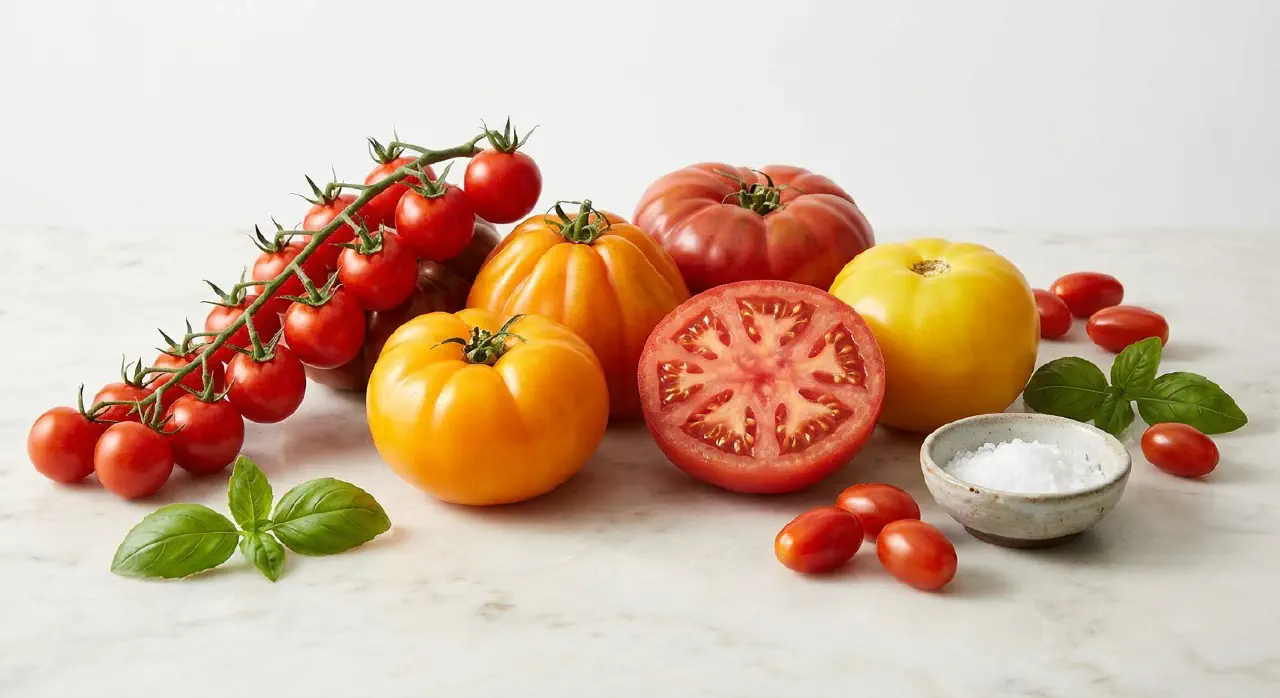
The nightshade family includes both deadly poisons (nightshade, tobacco) and some of the kitchen’s most important ingredients. Tomatoes, sweet peppers, and eggplants are all nightshade fruits — botanically berries — that took many generations of breeding to reduce their defensive alkaloids to safe levels. Each has unique chemistry that defines how it should be cooked.
Tomatoes
Small, bitter berries on west coast South American desert bushes, domesticated in Mexico (from the Aztec tomatl, “plump fruit”). European suspicion of the nightshade resemblance lasted into the 19th century. Now the second most popular vegetable in America after the potato.