Lipid Chemistry
Lipid Chemistry
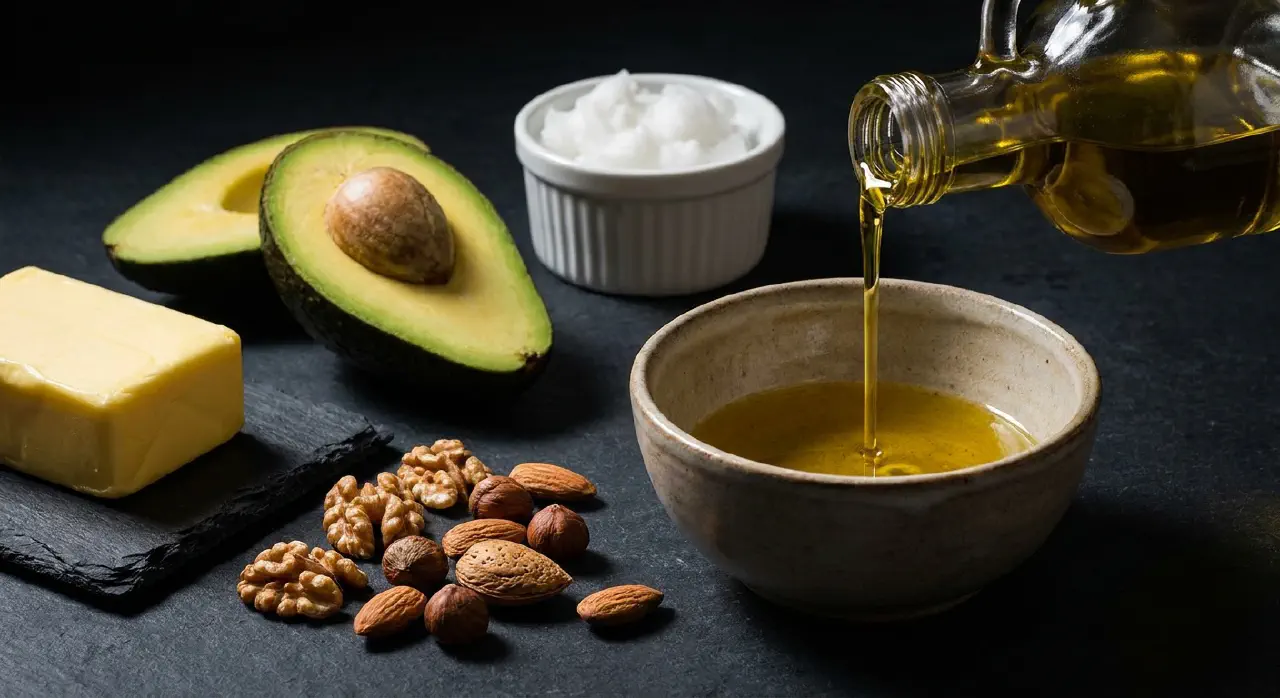
Lipids (from Greek for “fat”) are a large chemical family — fats, oils, phospholipids, pigments (carotenoids, chlorophyll), vitamin E, cholesterol, waxes — all consisting mainly of long carbon chains with projecting hydrogen atoms. Their defining property is hydrophobia: carbon-hydrogen bonds are nonpolar (atoms pull with equal force on electrons), so lipids cannot form hydrogen bonds with water. When mixed, polar water molecules bond with each other and nonpolar lipids segregate, minimizing contact. This single property — the oil-water divide — explains emulsions, fat rendering, oil-based extraction of aromas, and why fats float.
Seed Biology
Seed Biology
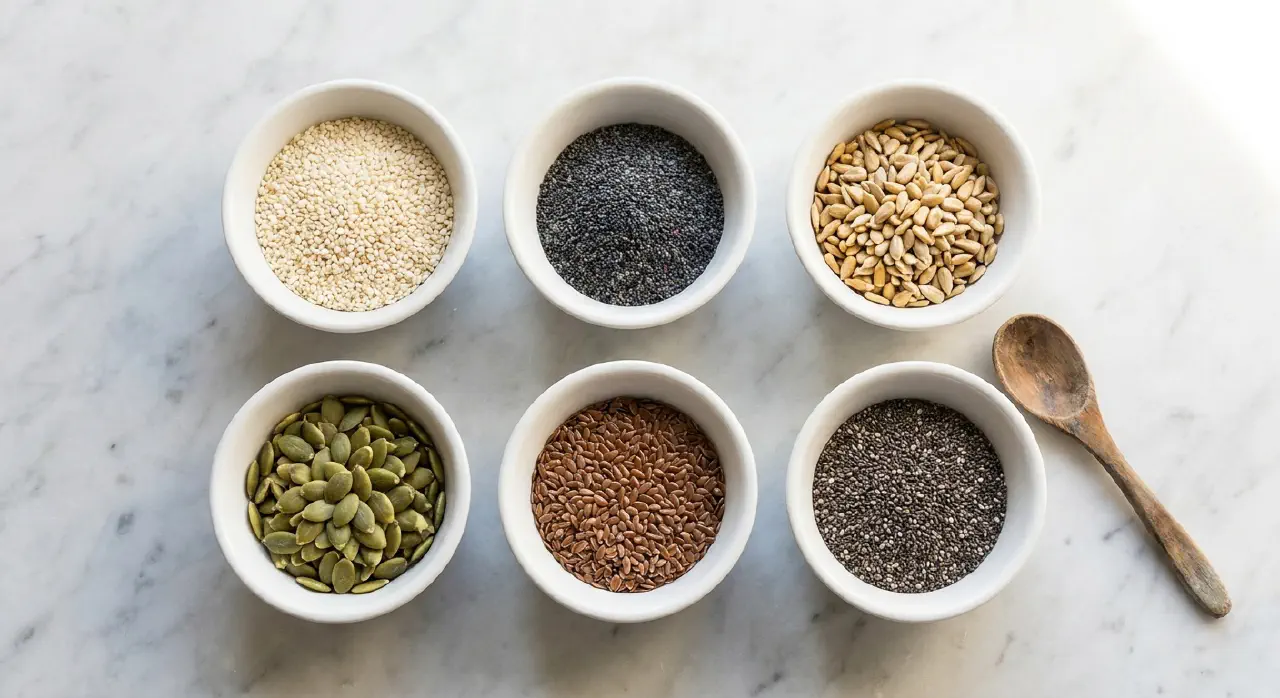
Seeds are the driest, most shelf-stable foods in the kitchen — concentrated parcels of energy locked behind a water-resistant coat, requiring both moisture and heat to become edible. The same three-part structure (protective coat, embryo, storage tissue) appears across all seeds, and understanding how starch, protein, and oil behave within that structure explains nearly every cooking property of grains, legumes, and nuts.
Seed structure
Every seed consists of three functional components: