Fish Safety
Fish Safety
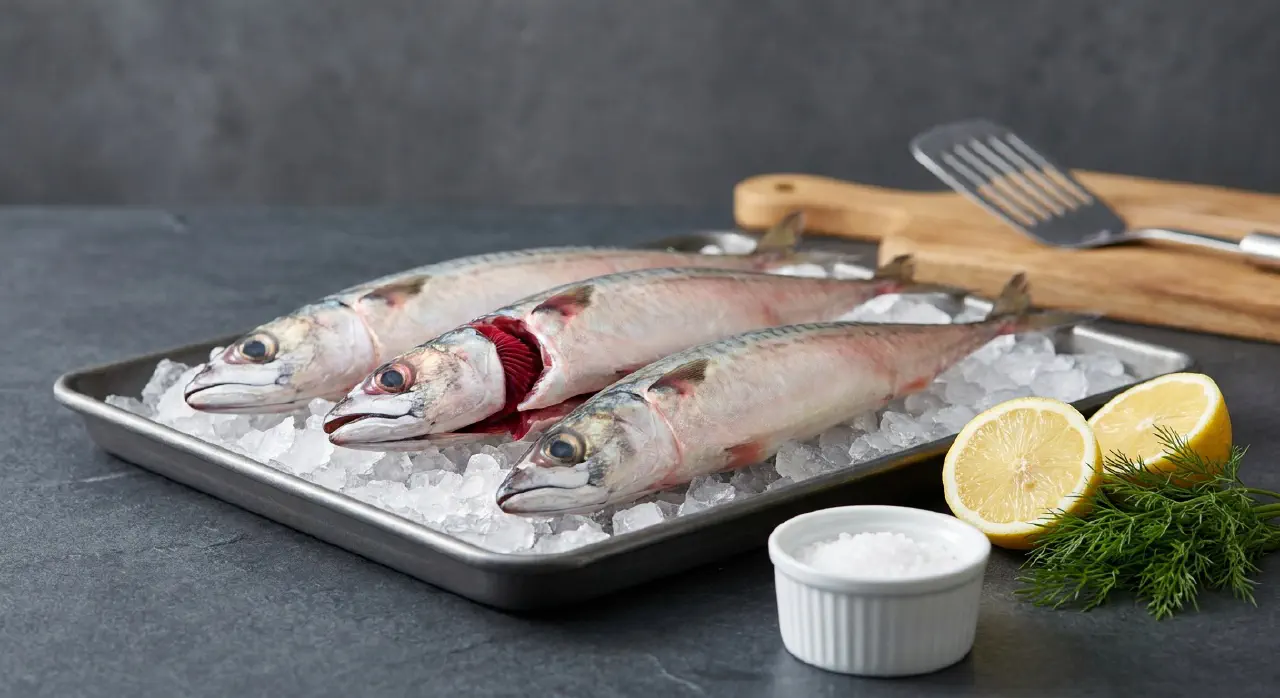
Fish presents a wider range of safety concerns than land animal meat, spanning industrial toxins that accumulate over years, biological pathogens, algal toxins that survive cooking, and parasites. The tradeoff is significant: fish also delivers unique health benefits — particularly omega-3 fatty acids — that make thoughtful consumption worthwhile.
Omega-3 Fatty Acids
Cold ocean water requires fish to maintain highly unsaturated fats that stay liquid at low temperatures. These omega-3 fatty acids (kinked at the third carbon from the end) are essential to human brain and retina development, and the body transforms them into anti-inflammatory immune signals (eicosanoids) that limit heart disease, reduce cancer risk from chronic inflammation, lower stroke incidence, and reduce blood cholesterol.
Quick Thawing
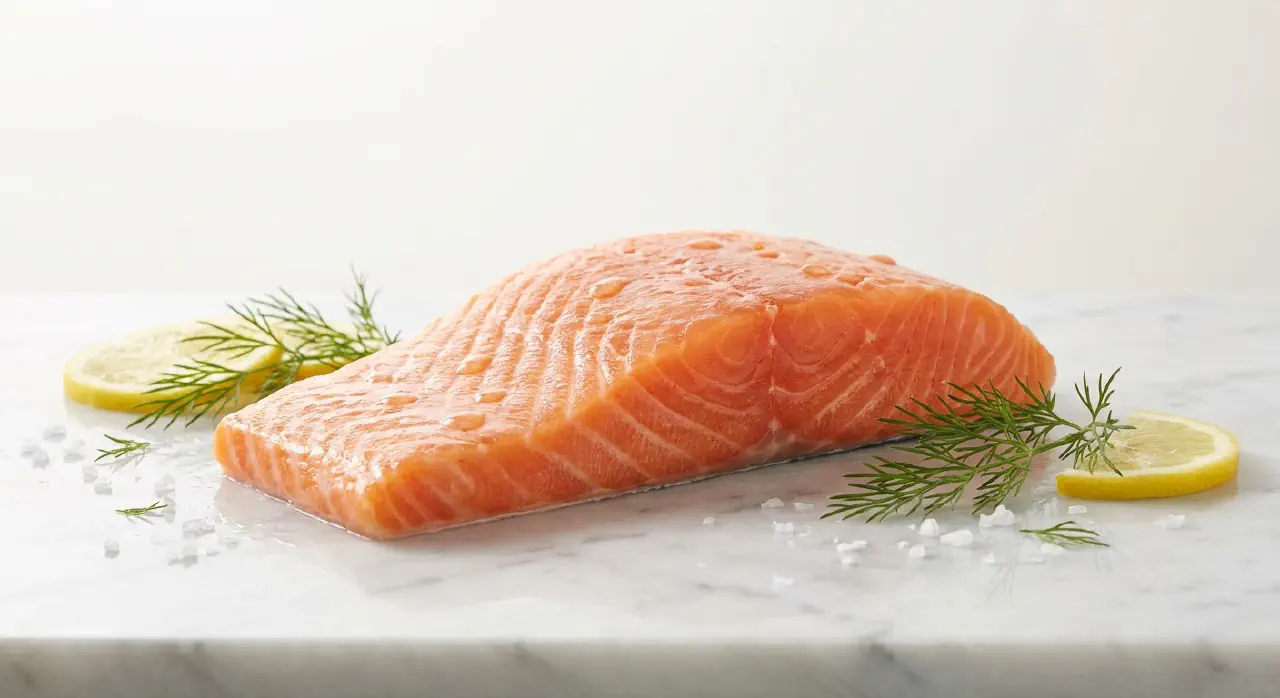
Room-temperature thawing feels intuitive but fails on every axis — slow, uneven, and dangerously long in the bacterial zone. The physics-based solution is a 30°C water bath: water is 24× more thermally conductive than air, and 30°C maximizes the temperature gradient without cooking the food’s surface.
The Conductivity Advantage
Water is roughly 24× more thermally conductive than air. Far more molecules collide with frozen surfaces per second, making even cold tap water (~10°C) faster than room-temperature air. At 30°C water, a 250g item thaws in 15-20 minutes versus 60-90 minutes in cold water or 3-4 hours on the kitchen counter — roughly 10-12× faster than air thawing.