Pan-Frying and Sautéing
Pan-Frying and Sautéing
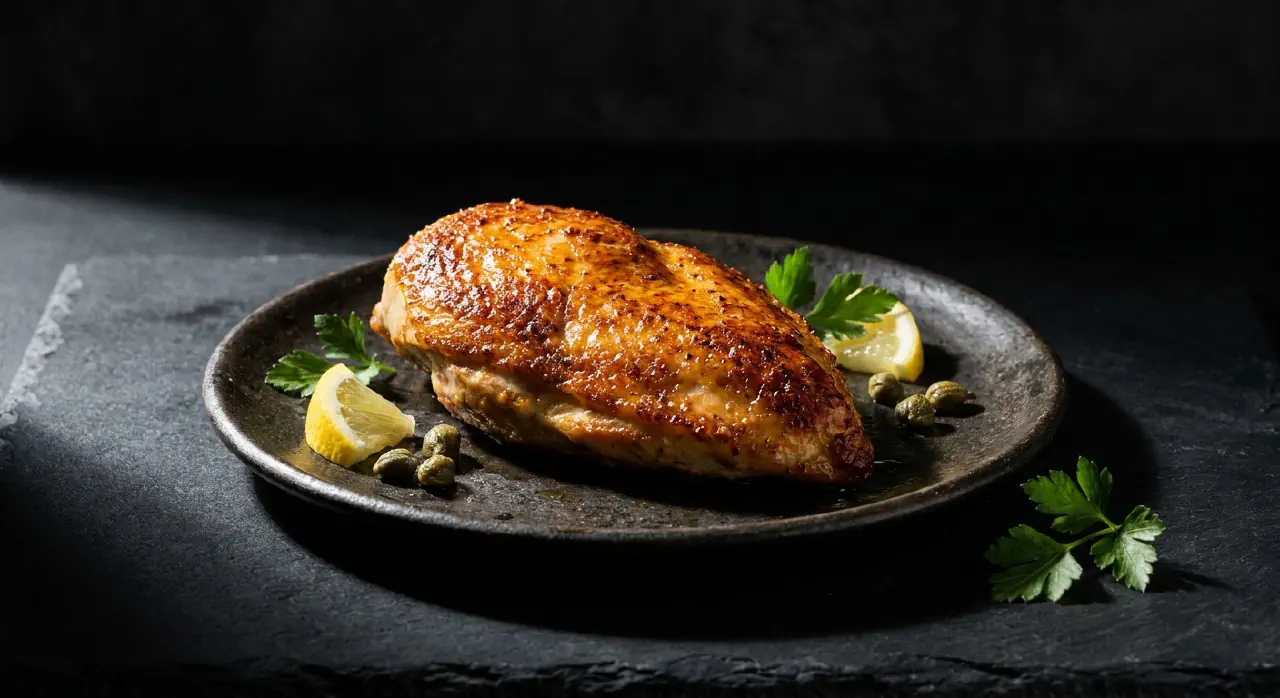
Pan-frying is the most direct of the dry-heat methods — conduction carries energy from a hot stovetop burner through the pan bottom and a thin layer of oil directly into the food surface. No intervening air or water, no radiation from a distance — just metal-to-fat-to-food contact. This makes pan-frying the fastest route to Maillard browning for individual portions, and the method where pan material matters most.
Heat transfer mechanism
The stovetop heats the pan bottom by conduction (gas flame or electric element). The pan distributes heat across its surface — how evenly depends on the metal’s thermal conductivity (copper best, stainless steel worst). Oil fills the microscopic gap between pan and food, conducting heat more efficiently than air would. Surface temperatures reach 325–400°F in normal operation.