Precision Cooking
Precision Cooking
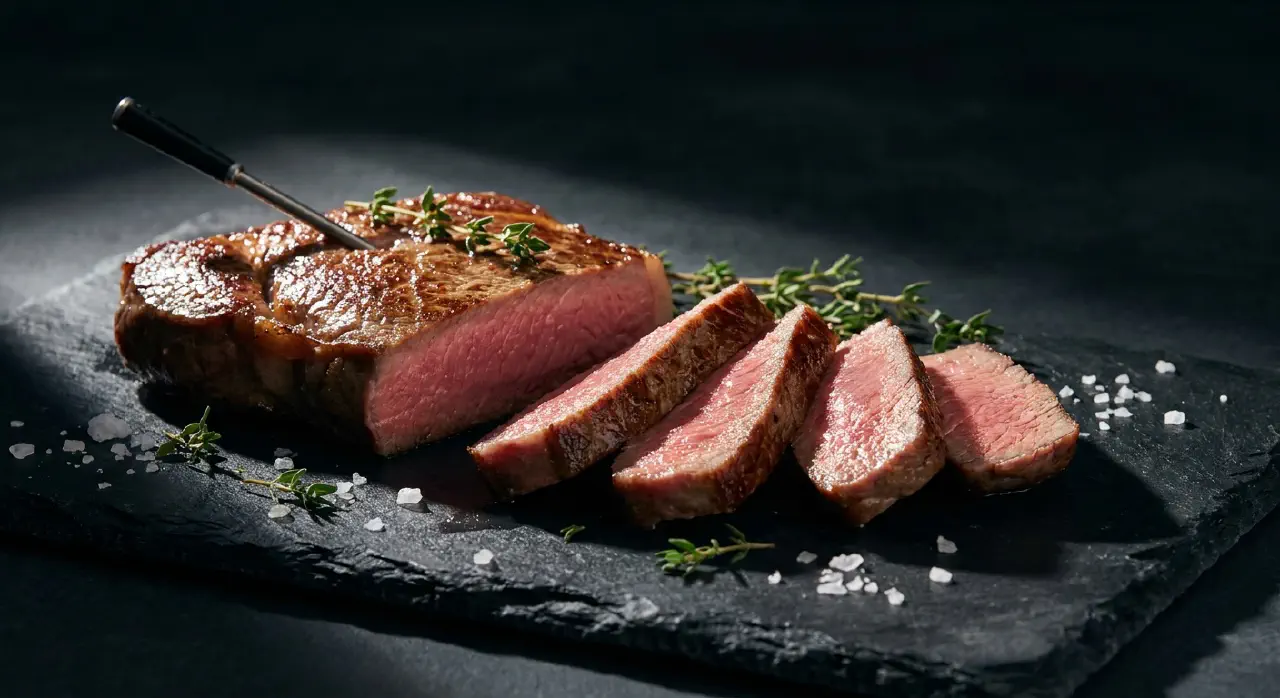
Precision cooking replaces guesswork with measured temperature control. The Arrhenius equation governs all cooking reactions exponentially — the same principle already captured in cooking-temperatures, but here applied practically to kitchen tools and techniques that eliminate the chaos of traditional heat sources.
The 10°C Rule Applied
Every 10°C roughly doubles reaction rate. A 5°C change ≈ 1.4–1.5× speed (noticeably faster). A 20°C increase = 4× acceleration, 30°C = 8×. This is why traditional hob swings of 20–40°C cause unpredictable browning and inconsistent results. Conversely, holding ±2°C allows precise control over when reactions occur.
Quick Thawing
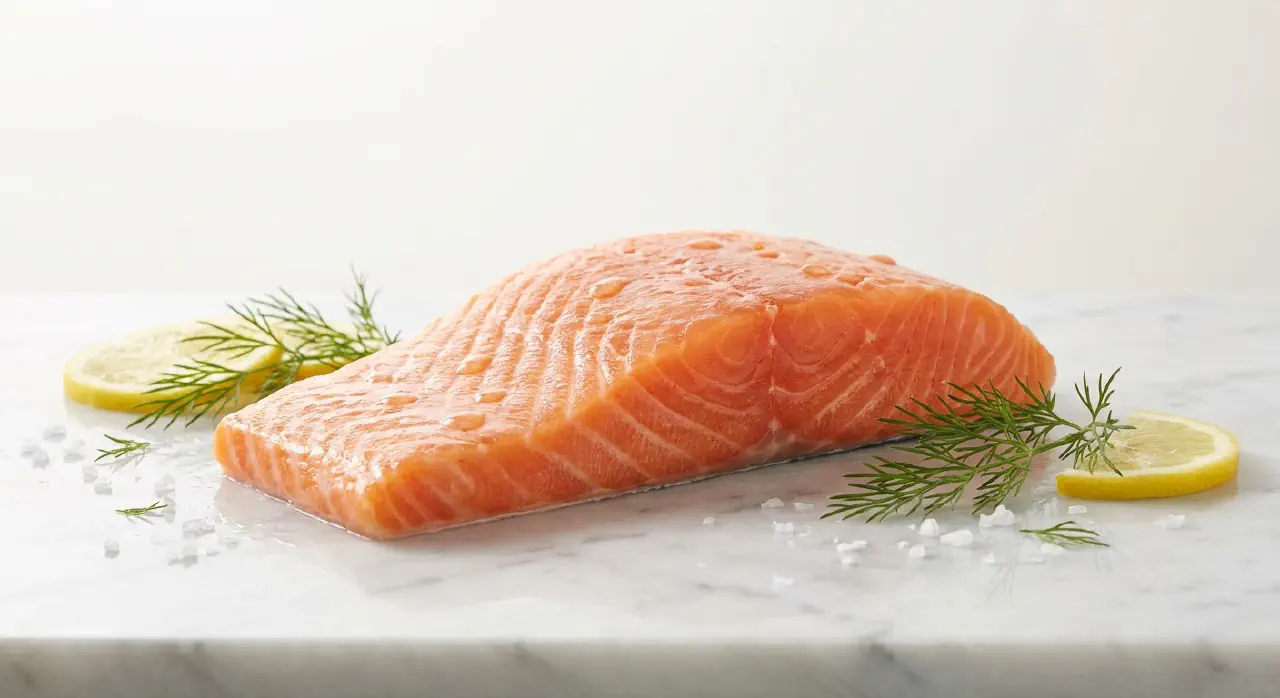
Room-temperature thawing feels intuitive but fails on every axis — slow, uneven, and dangerously long in the bacterial zone. The physics-based solution is a 30°C water bath: water is 24× more thermally conductive than air, and 30°C maximizes the temperature gradient without cooking the food’s surface.
The Conductivity Advantage
Water is roughly 24× more thermally conductive than air. Far more molecules collide with frozen surfaces per second, making even cold tap water (~10°C) faster than room-temperature air. At 30°C water, a 250g item thaws in 15-20 minutes versus 60-90 minutes in cold water or 3-4 hours on the kitchen counter — roughly 10-12× faster than air thawing.