Protein Denaturation
Protein Denaturation
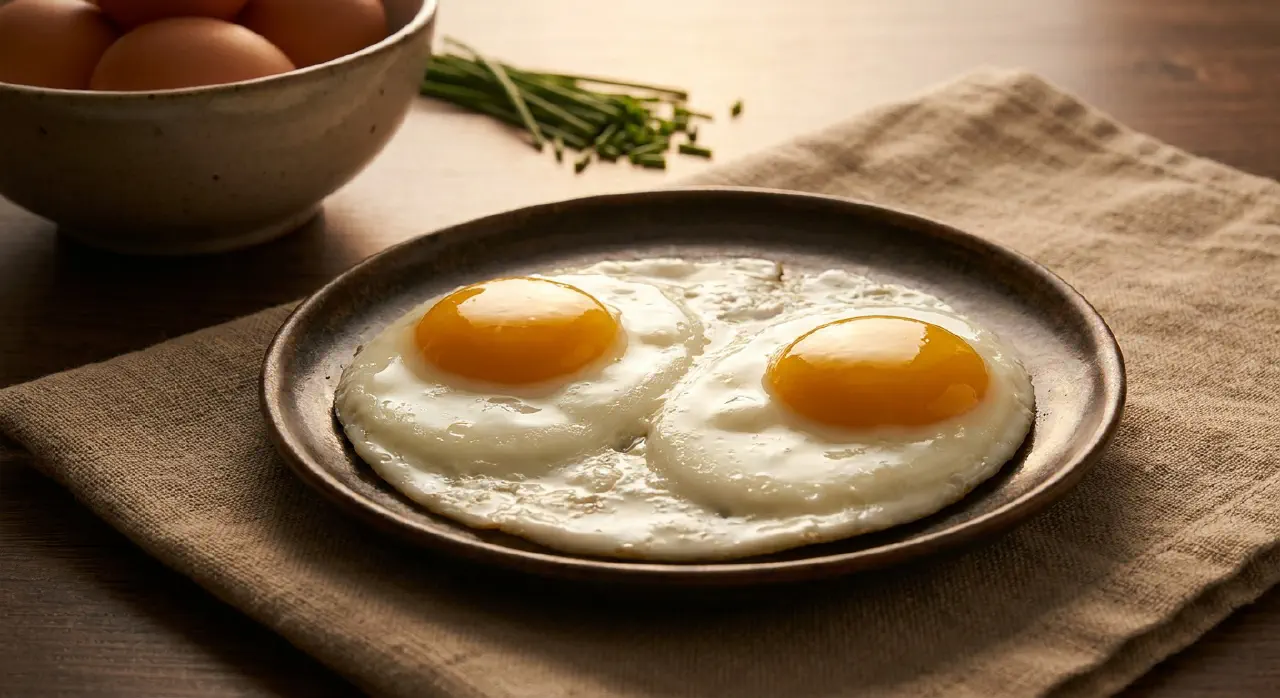
Protein denaturation is the undoing of a protein’s natural folded structure — the single most important chemical event in cooking. When you cook an egg, sear a steak, or make yogurt, you’re denaturing proteins. The change is mostly irreversible and transforms both texture and behavior.
What proteins look like
Proteins are long chains of amino acids (dozens to hundreds), folded into specific shapes held together by weak bonds — hydrogen bonds, van der Waals forces, and ionic attractions. Some proteins fold into compact globules (egg proteins), others form long helical fibers (collagen in meat). The folded shape determines what the protein does and how it behaves.
Vegetable Cooking
Vegetable Cooking
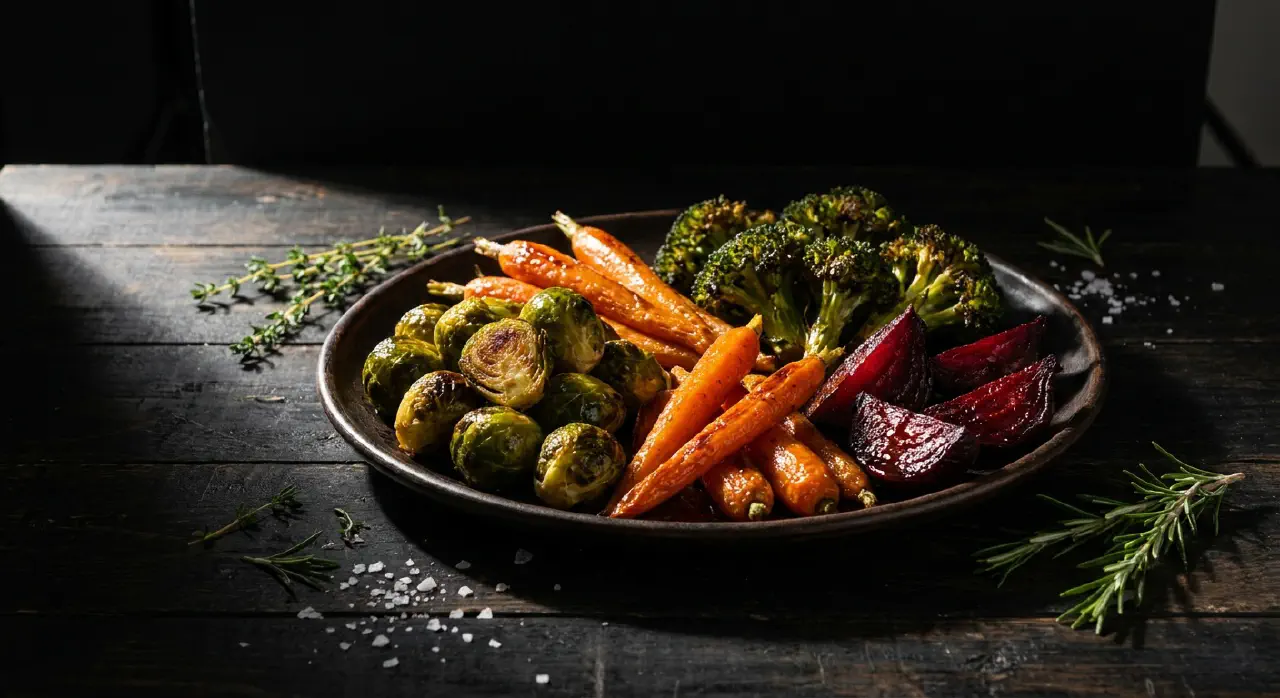
Cooking vegetables is, in principle, simpler than cooking meat — plant tissues are mainly carbohydrates, which tolerate heat better than proteins. But the simplicity is deceptive. Vegetables occupy one of cooking’s narrowest temperature windows: only 10°C separates “still crunchy” from “mush,” and both color and nutrients degrade rapidly with overcooking.
Why vegetables are forgiving — and unforgiving
Plant cell walls are built from cellulose fibers held together by pectin, a gel-forming carbohydrate. Unlike proteins, which tighten and expel water when heated, carbohydrates simply disperse into the tissue moisture, producing soft, succulent textures. There is no equivalent of the “overcooked steak” failure mode — vegetables don’t get tough, they get soft. The danger is going too far.