Sous Vide Artichokes
Sous Vide Artichokes
A whole artichoke is mostly a defense system: tough outer leaves, a spiny top, a fuzzy choke, all wrapped around a small heart worth the trouble, which is why cooks from Rome to Provence have spent centuries working out how to get past the armor. Boiling or steaming gets there eventually, but it’s hard to judge doneness through all that fiber without overshooting into waterlogged mush. A water bath solves it the same way it solves asparagus or carrots: hold the whole artichoke at one exact temperature for as long as it takes, and every part of it, from the tender base to the meatier leaf ends, arrives at the same texture at the same time.
That temperature sits far above anything used for meat or fish. Artichoke flesh is dense and fibrous, held together by pectin in the cell walls, and pectin doesn’t start breaking down until the bath gets close to 183°F (84°C). Below that line, an artichoke can sit in the water for hours and stay just as tough as when it went in; above it, ninety minutes is enough to turn the base fork-tender all the way through. It’s a wider window than it sounds. A few extra minutes past the target won’t ruin anything, and going a little over is far safer than the equivalent overshoot with a piece of fish.
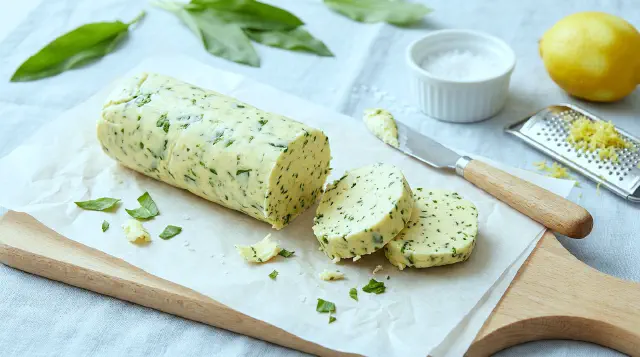
Trimming is where most of the work happens, and it’s also where an artichoke turns on you fastest: cut flesh browns within minutes of hitting air. Rubbing every cut surface with lemon as you work, and holding the trimmed halves in a bowl of lemon water until they go into the bag, keeps them pale and green instead of gray. Butter, garlic, and a little lemon zest tucked into the hollowed cavity season the artichoke from the inside as it cooks, and that same buttery liquid can be spooned back over the finished halves at the table. The result is delicately sweet and faintly nutty, rounded out with butter and garlic and brightened by lemon.
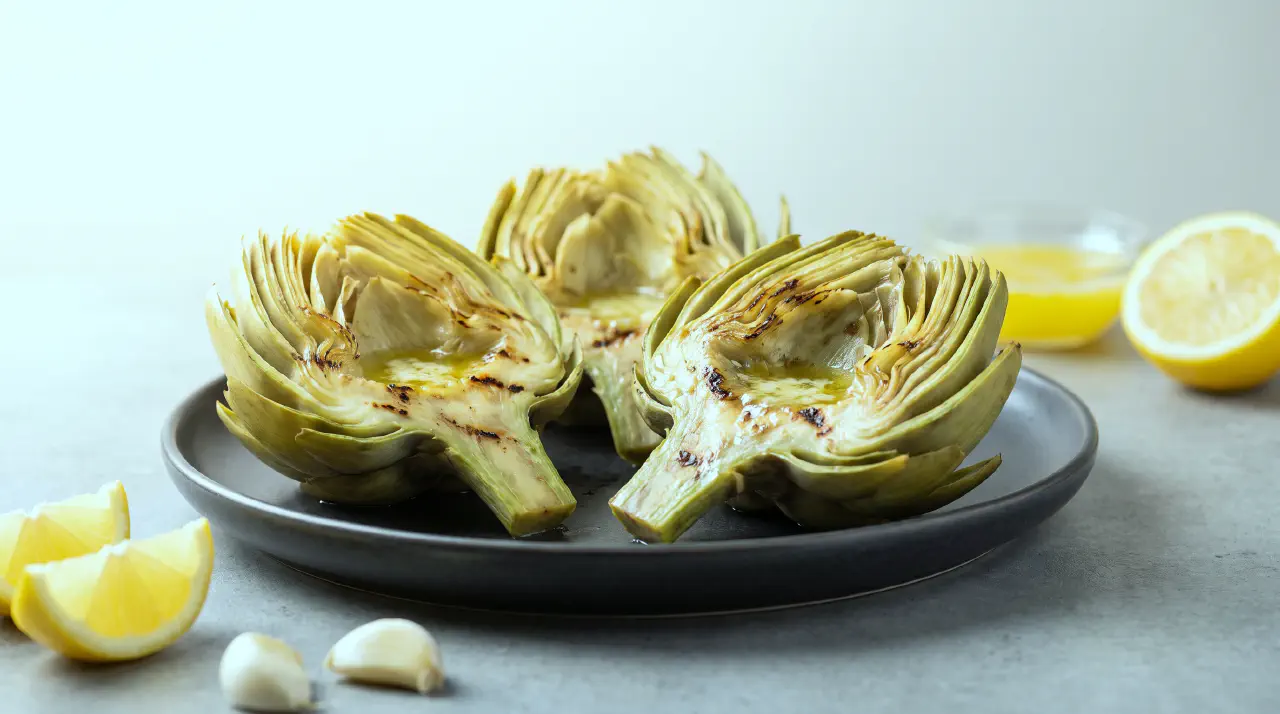
On its own, the bath produces no browning at all, so a finishing step supplies whatever char the plate calls for. A few minutes on a hot grill or in a heavy skillet crisps and darkens the cut face while the inside stays tender, and it’s the same move used for grilled artichokes cooked entirely on the stovetop, just with the guesswork already handled. Artichokes are at their best in spring, and sous vide halves make a good warm starter then, with just lemon wedges and the butter for dipping, or a make-ahead side next to grilled chicken or steak for a dinner party any time of year, since cooked halves keep well enough in the fridge to go straight into a pasta or a salad a day or two later.
Ingredients
Serves 4
- 4 globe artichokes, medium-large (about 300-350 g each)
- 2 lemons (about 120 g each), 1 halved for trimming, 1 zested and juiced for the bag
- 115 g unsalted butter
- 8 garlic cloves, peeled
- kosher salt
- black pepper, freshly ground
- 30-45 ml extra virgin olive oil, for finishing
- lemon wedges, to serve
Directions
Fill a large bowl with cold water and the juice of the halved lemon. Working with one artichoke at a time, cut off the stem, snap or peel away the tough outer leaves until the paler, more tender ones show underneath, and slice off the top third of the remaining leaves. Halve the artichoke lengthwise and scoop out the fuzzy choke with a spoon. Rub the cut lemon over every surface you expose as you go, then drop the trimmed halves into the lemon water until all four artichokes are done.
Preheat the water bath to 184°F (84°C).
Drain the artichoke halves and pat them dry. Place a garlic clove and a tablespoon of the butter in the hollow of each half, then season with the lemon zest, a squeeze of the juice, salt, and pepper. Arrange the halves in a single layer in a vacuum-seal bag, or a zip-top bag using the water-displacement method, and seal.
Submerge the bag and cook for 90 minutes. Going up to two hours won’t overcook the artichokes, but much beyond that risks turning them mushy. They’re ready when a knife slides into the base with no resistance.
Lift the artichoke halves out of the bag and pat them dry, reserving the buttery liquid left behind. Brush the cut sides with olive oil, season with salt and pepper, and grill or sear in a hot pan for about 5 minutes, turning once, until lightly charred. Serve warm with lemon wedges and the reserved butter spooned over.
Notes
184°F (84°C) sits comfortably above the point where pectin starts to break down, chosen for texture rather than food safety, so there’s no minimum hold time to worry about the way there is with sous vide meat or fish.
Skipping the sear is a legitimate choice, not a shortcut: serving the artichokes straight from the bag, dressed with their own buttery liquid, gives a paler and more delicate result that some cooks prefer.
Baby artichokes work the same way at the same temperature. Skip the choke removal, quarter instead of halve, and check for doneness a little earlier, since the smaller pieces cook through faster.
Cooked, cooled artichoke halves keep in an airtight container in the fridge for up to 3 days, which makes them worth cooking ahead for a pasta or a salad.
See Also
Air Fryer Asparagus
Beef Cuvette - Red Meat Sous Vide
Foie gras terrine - made sous vide
Hollandaise sauce
Steak - Cooking Methods Guide