Sous Vide Lamb Shank
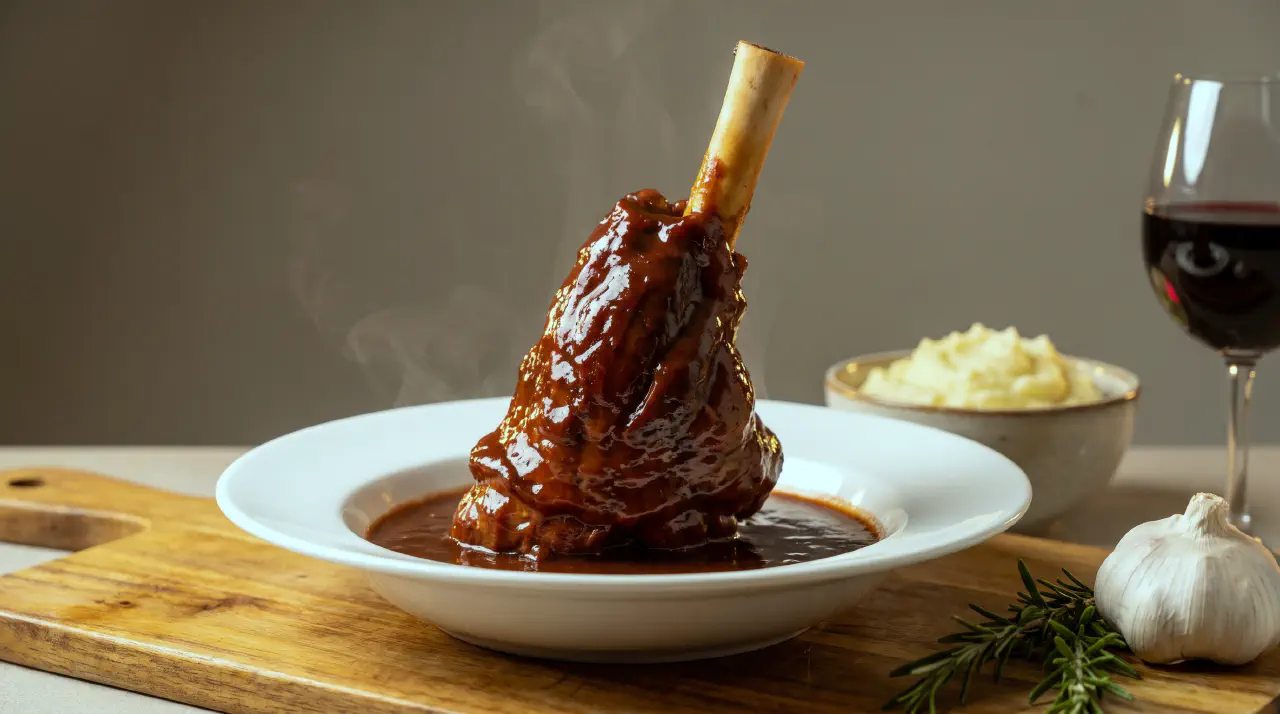
Sous Vide Lamb Shank
Lamb shank is a tough, well-worked cut, thick with connective tissue that only turns tender with a long, slow cook. Braising has always been the classic fix: hours in a covered pot with wine, stock and aromatics. Sous vide gets to the same place by holding the shank at one steady temperature for a full two days, so the collagen has time to melt into gelatin without the meat ever drying out the way it can over direct heat.
This version bags the shanks simply, with just a garlic clove and a sprig of rosemary or thyme, and builds the sauce afterward from the liquid the bags collect. Tomato paste, red wine and stock go into that liquid once it’s strained, and a short reduction turns it into a rich, savory sauce with real depth, essentially a braise sauce built from what the bath already extracted. A hard sear at the end gives the shank the color and crust that sous vide alone can never manage.
Lamb shank turns up braised across French, Middle Eastern, North African and even some Asian kitchens, each with its own flavor stamp, but the shape of the technique barely changes: cook it low and slow, then finish it hot. This is a modern method applied to that old cut rather than a dish with roots of its own, and at a high enough bath temperature it delivers the same fall-off-the-bone result people expect from a long braise.
This is a weekend dinner rather than a weeknight one, since the two-day bath means starting well ahead of when you plan to serve it. Serve one shank per person, sauce spooned generously over top. Mashed potatoes, soft polenta or buttered egg noodles all catch the sauce well, and a simple green vegetable is about all the plate needs besides that.
Ingredients
Serves 4
The lamb shanks
- 4 bone-in lamb shanks (fore or hind shank), about 450-700 g each
- kosher salt, to taste
- black pepper, freshly ground, to taste
- 4 garlic cloves, smashed
- 4 sprigs fresh rosemary (or thyme)
- 1 tbsp unsalted butter (or olive oil), for searing
The sauce
- 2 tbsp tomato paste
- 240 ml dry red wine
- 240 ml beef (or lamb) stock
Directions
The lamb shanks
Preheat a water bath to 155°F (68°C). Season the shanks all over with salt and pepper, then tuck a smashed garlic clove and a rosemary (or thyme) sprig into each bag before vacuum-sealing them individually, or seal them in heavy zip-top bags using the water-displacement method. Submerge the bags in the bath and cook for 48 hours, keeping them fully submerged the whole time; top up the water as it evaporates over the two days, and weigh the bags down or use a rack if they float.
At 155°F (68°C), the shank spends two full days breaking its collagen down into gelatin, which is what eventually lets the meat pull away from the bone with just a fork. When the bags come out, lift the shanks straight into an ice bath for about 15 minutes if you’re not searing right away, since already fully-cooked meat can keep creeping past done during a long sear. Pat the shanks very dry with paper towels; a dry surface is what lets them brown instead of steam. Heat the butter (or oil) in a heavy skillet over high heat until shimmering, then sear the shanks on all sides until deeply browned, about 2 to 3 minutes total. Work fast, since the inside is already cooked and this step is only about color and crust.
The sauce
While the shanks rest or just before searing them, strain the liquid left in the bags through a fine-mesh sieve into a small saucepan, pressing lightly to get everything out and discarding the softened garlic and herb sprigs. Add the tomato paste, red wine and stock, and bring the mixture to a simmer over medium-high heat. Let it reduce by about half, roughly 10 minutes, until it’s noticeably thicker and coats the back of a spoon.
Plate the seared shanks and spoon the sauce over them while both are still hot.
Notes
For a tender, sliceable result instead of fall-apart, drop the bath to 143-145°F (62-63°C) and keep the time at 48 hours. The meat holds together like a very tender roast rather than shredding, which suits slicing the shank instead of pulling it apart.
For a faster fall-apart cook, raise the bath to 165-167°F (74-75°C) and cut the time to 24 hours. The higher temperature speeds up collagen breakdown, though the shank comes out slightly less juicy than the 48-hour version at 155°F (68°C).
Searing the raw shank and building a quick mirepoix base before vacuum-sealing is optional. It adds flavor complexity, but the after-bath sear already handles browning, so it isn’t required either way.
See Also
Beef Cuvette - Red Meat Sous Vide
Braised Veal Shank
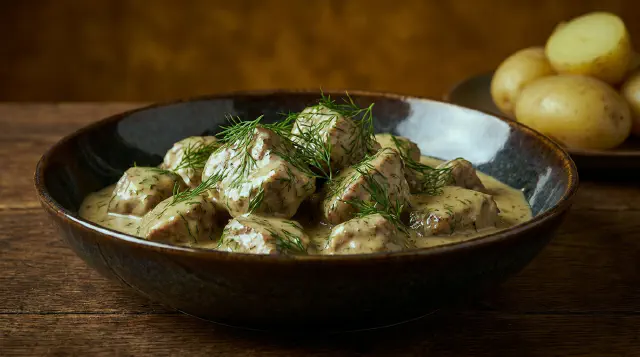
Lamb in Dill Sauce
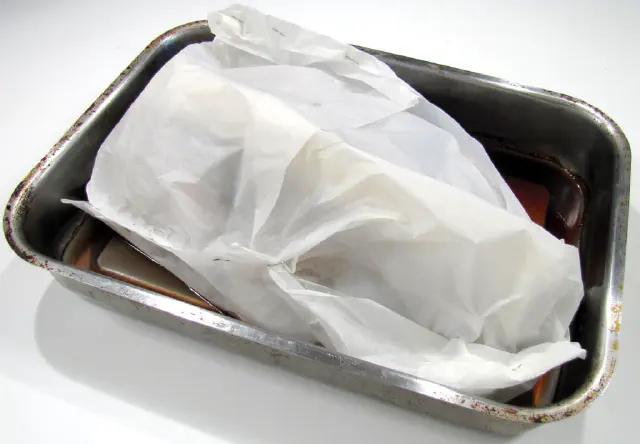
Lamb kleftiko - 'Braised Leg of Lamb'