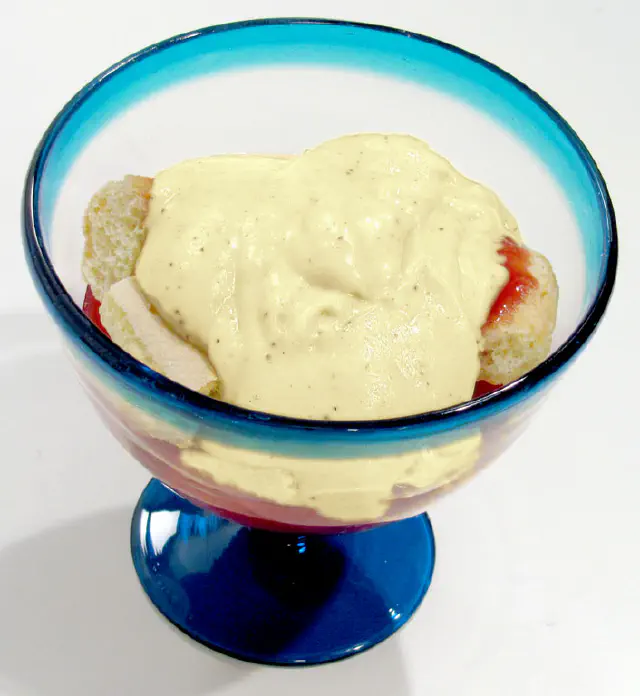
Sous Vide Lemon Curd
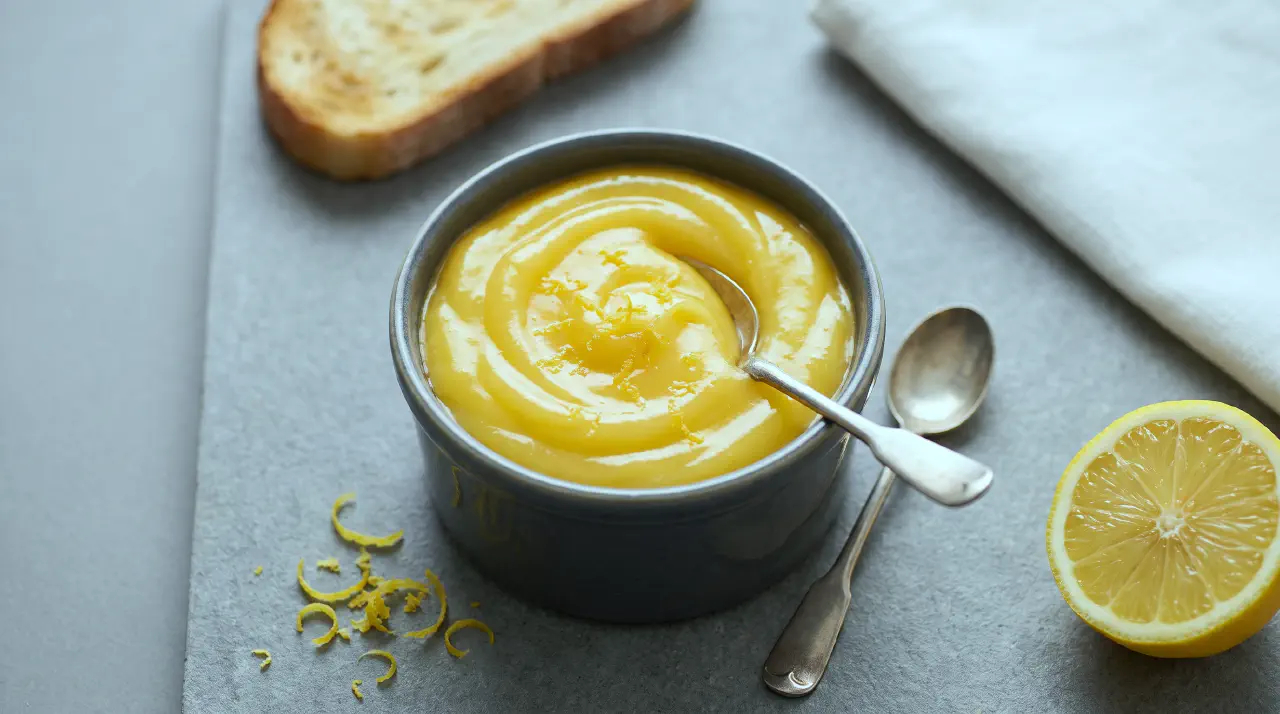
Sous Vide Lemon Curd
Lemon curd is a thick, spreadable custard made from egg yolks, sugar, fresh lemon juice, and butter - a fixture of the English afternoon tea table, traditionally spread on scones or used to fill tarts and sponge cakes. The classic method calls for a double boiler and constant whisking, since egg yolks scramble the moment they get too hot. Sous vide sidesteps that entirely: the whole mixture goes into a sealed bag or jar and cooks in a water bath held at a temperature the yolks can never exceed, so there’s no whisking, no watching, and no risk of scrambled curd.
This isn’t a traditional technique - it’s a modern shortcut that keeps the classic result. Once the bag or jar comes out of the bath, a vigorous shake or a quick whisk turns the just-cooked mixture silky smooth, and a spell in the fridge lets it firm up to a spreadable set.
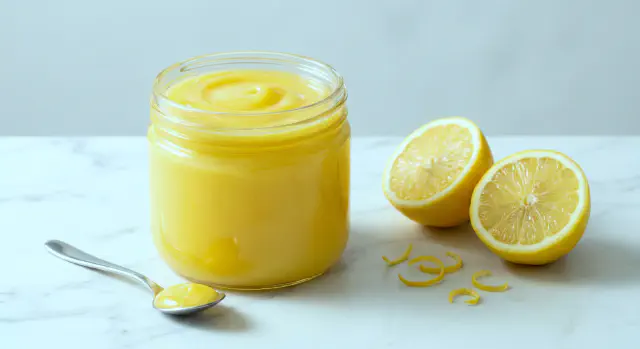
The finished curd is bright and tart-sweet, glossy, and rich from the egg yolks and butter, with a texture closer to a thick custard than a jam. It keeps for a couple of weeks in the fridge, ready whenever you want to dress up breakfast or dessert.
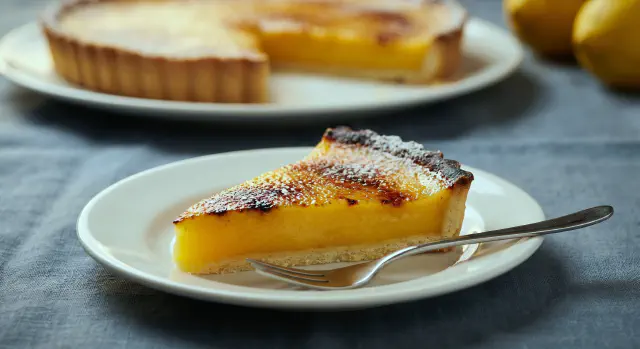
Serve it the way the English do - spooned onto scones or toast, folded into whipped cream for a quick fool, or used as a filling between layers of sponge cake or inside a baked tart shell.
Ingredients
Makes ca. 2 cups
- 6 large egg yolks
- 175 g granulated sugar
- 150 ml fresh lemon juice (about 3-4 lemons)
- 6 g fresh lemon zest, grated before juicing
- 85 g unsalted butter, melted and cooled slightly
- 3 g powdered gelatin, bloomed (optional, for a firmer, sliceable curd)
Directions
Zest the lemons before juicing them, then juice them. In a bowl, whisk the lemon juice, zest, and sugar together until the sugar is mostly dissolved.
Whisk in the melted butter, then whisk in the egg yolks until the mixture is fully incorporated and smooth. If using gelatin, bloom it in a spoonful of the lemon juice first, then whisk it in along with the butter.
Pour the mixture into a zip-top freezer bag and seal it using the water-displacement method, or pour it into a wide-mouth half-pint jar and screw the lid on only finger-tight, so steam can vent during cooking.
Cook in a water bath set to 167°F (75°C) for 1 hour.
Remove the bag or jar from the bath. If you used a bag, shake it vigorously for 30 seconds to break up any curdled bits and fully homogenize the curd; if you used a jar, whisk it immediately, or blitz it briefly with an immersion blender.
Transfer to an ice bath to cool quickly, then refrigerate. Press a piece of plastic wrap directly onto the surface of the curd to stop a skin from forming.
The curd keeps thickening as it chills. For the smoothest texture, give it one more whisk or a quick blend once it’s fully cold, ideally after it has rested for a few hours or overnight.
Notes
Egg yolks alone, not whole eggs, give the richest and least watery texture - this is what makes it a true curd rather than a thin lemon custard sauce.
Gelatin is optional. Skip it for a soft, spoonable curd, or add it if the curd needs to hold its shape for a layered cake or a tart that will be sliced cleanly.
Use fresh lemon juice and zest only - bottled juice and dried zest both taste flatter and less aromatic.
If the curd looks slightly grainy or broken straight out of the bath, that’s normal - the post-cook shake, whisk, or blend fixes it.
For a hotter, faster version, cook at 180°F (82°C) for 45 minutes instead. It needs a more vigorous shake right out of the bath and an overnight rest in the fridge to smooth out fully, so use the cooler setting above unless you’re short on time.
Spread it on scones or toast, spoon it over pancakes or yogurt, or use it as a filling for tarts, layer cakes, and meringue nests.
See Also
All about vanilla egg creams and custards
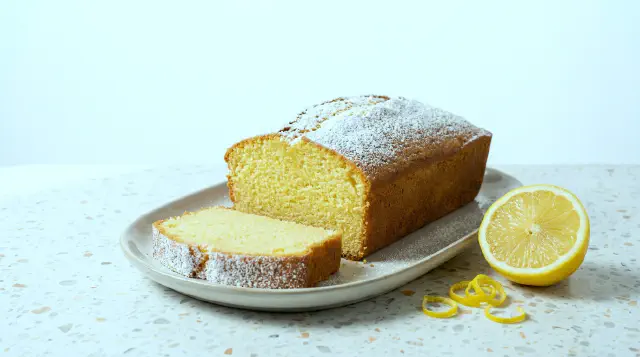
Lemon Cake
Lemon Curd
Lemon Tart