Maillard Reaction
Maillard Reaction
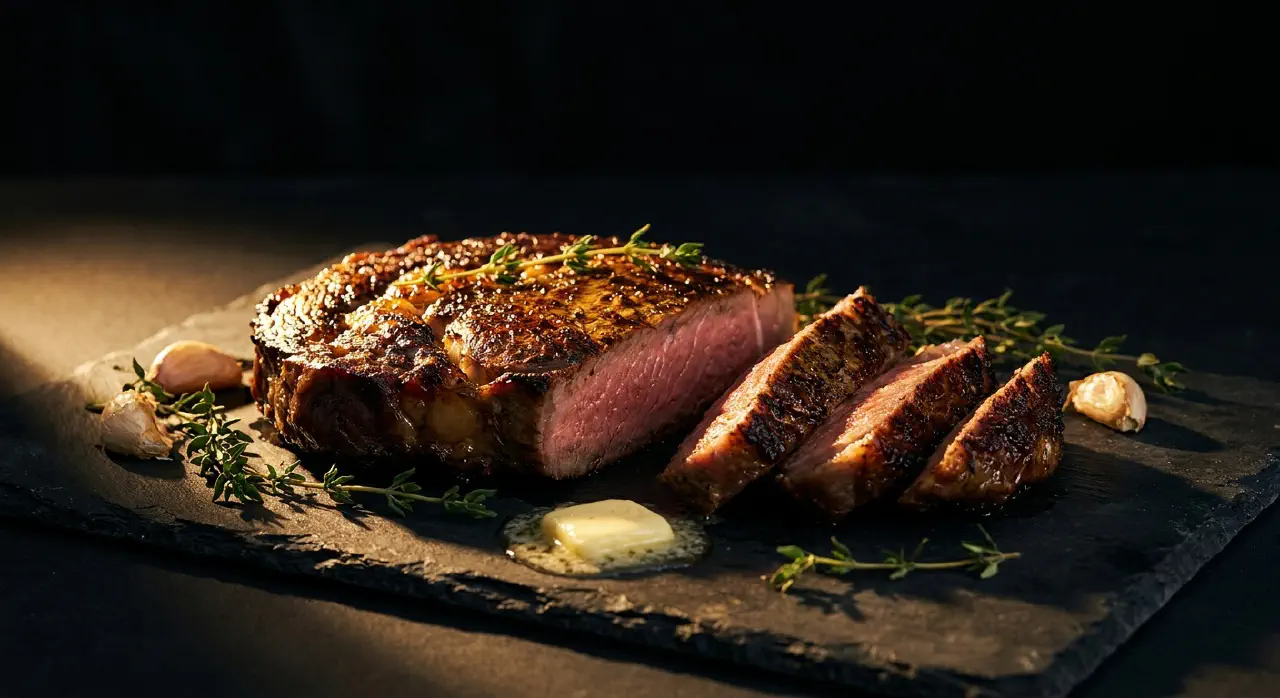
The Maillard reaction is the most important flavor-generating chemical process in cooking — the reaction between amino acids and sugars that produces the brown color and complex flavors of bread crusts, seared meat, roasted coffee, and chocolate.
The chemistry
Named after French physician Louis Camille Maillard (discovered ~1910), the reaction begins when a carbohydrate molecule meets an amino acid. They form an unstable intermediate that cascades into hundreds of different by-products — brown pigments (melanoidins), volatile aroma compounds, and new flavor molecules.
Protein Structure and Enzymes
Protein Structure and Enzymes
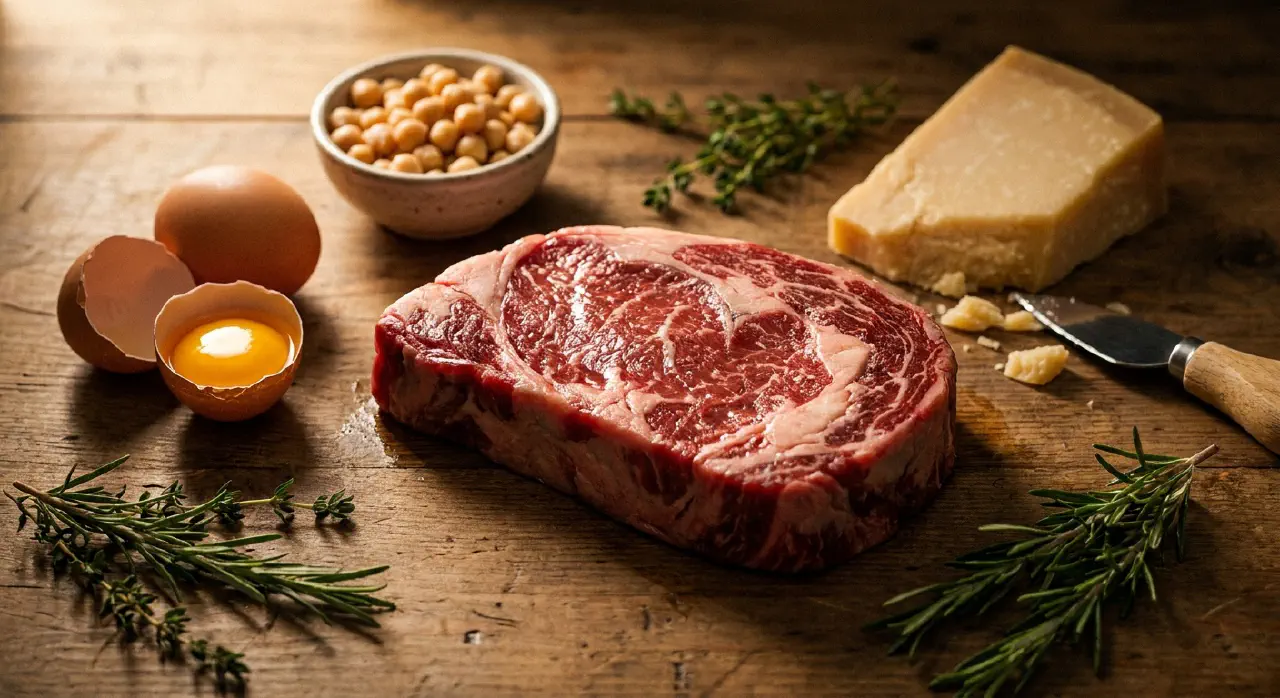
Proteins are the most challenging and sensitive of the four food molecules. Unlike water, fats, and carbohydrates (all relatively stable), proteins drastically change behavior when exposed to heat, acid, salt, or air. This sensitivity is fundamental — proteins are the active machinery of life, assembling and tearing down molecules, transporting materials within cells, forming muscle fibers that move whole animals. Their inherent dynamism is what makes them so responsive to cooking conditions.