Beer Brewing
Beer Brewing
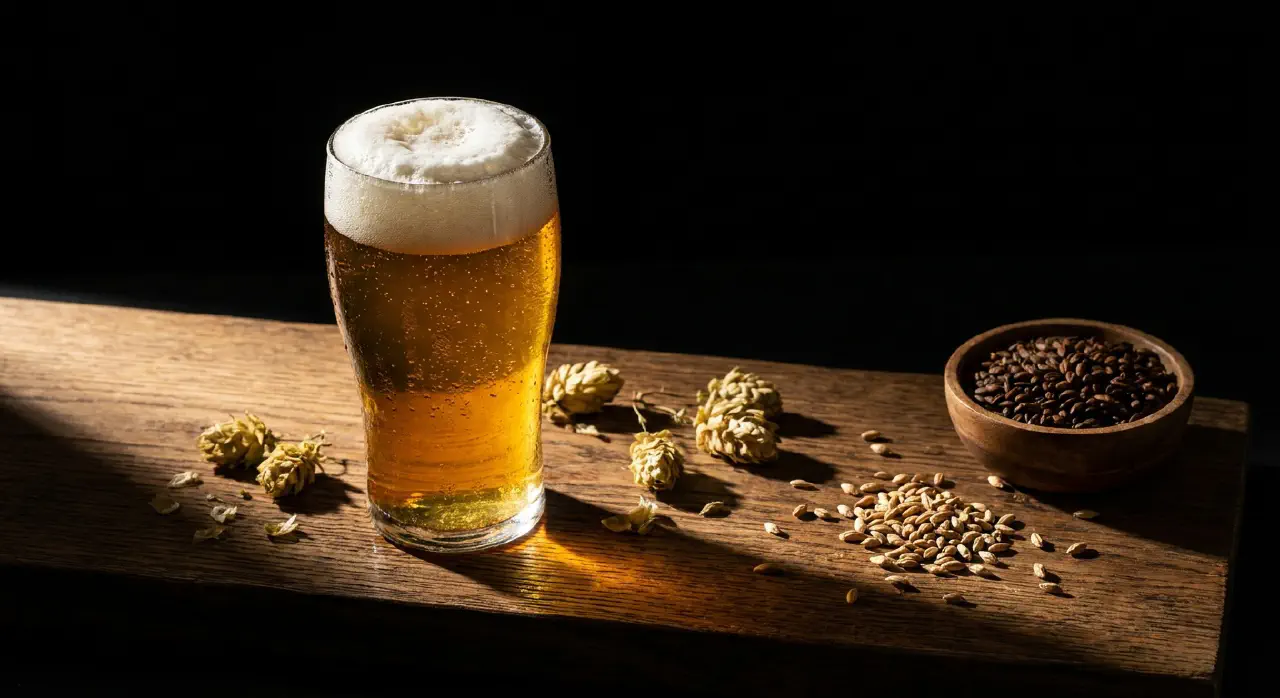
Beer is fermented grain — and unlike grapes, grains contain starch rather than sugar, requiring an extra conversion step before yeast can work. Three independent civilizations solved this problem independently: saliva enzymes (Inca chicha), mold preparations (East Asian koji), and malting (Near East, now dominant worldwide). The malting tradition gives beer its distinctive flavors of grass, bread, and cooking — flavors born from the Maillard reactions that are inseparable from the process.
Coffee
Coffee

Among foods’ most complex flavors — 800+ aroma compounds identified — coffee owes its richness to an extraordinary chain of transformations: the bean is processed, roasted through intense Maillard browning, ground, and extracted into water, each step shaping the final cup. The central variables are species (arabica vs robusta), roast degree, grind size, and extraction percentage.
Species
Two cultivated species of Coffea, native to east Africa:
Arabica (C. arabica): Highland Ethiopian/Sudanese tree producing roughly two-thirds of world trade. More oil (16%), more sugar (7%), less caffeine (1.5%), less phenolic material (6.5%) — yielding more complex, balanced flavor with pronounced acidity. The specialty coffee standard.
Tea
Tea

An infusion of the leaves of Camellia sinensis, native to southeast Asia, tea is defined by a single remarkable process: the leaf’s own enzymes transform bitter, astringent defensive chemicals into an enormous range of flavors and colors. The degree of this enzymatic transformation — none (green), partial (oolong), or extensive (black) — determines the tea’s character. Young leaves packed with defensive phenolics and caffeine are the best raw material, which is why the choice pluck is the terminal bud plus two adjacent leaves.