Sake
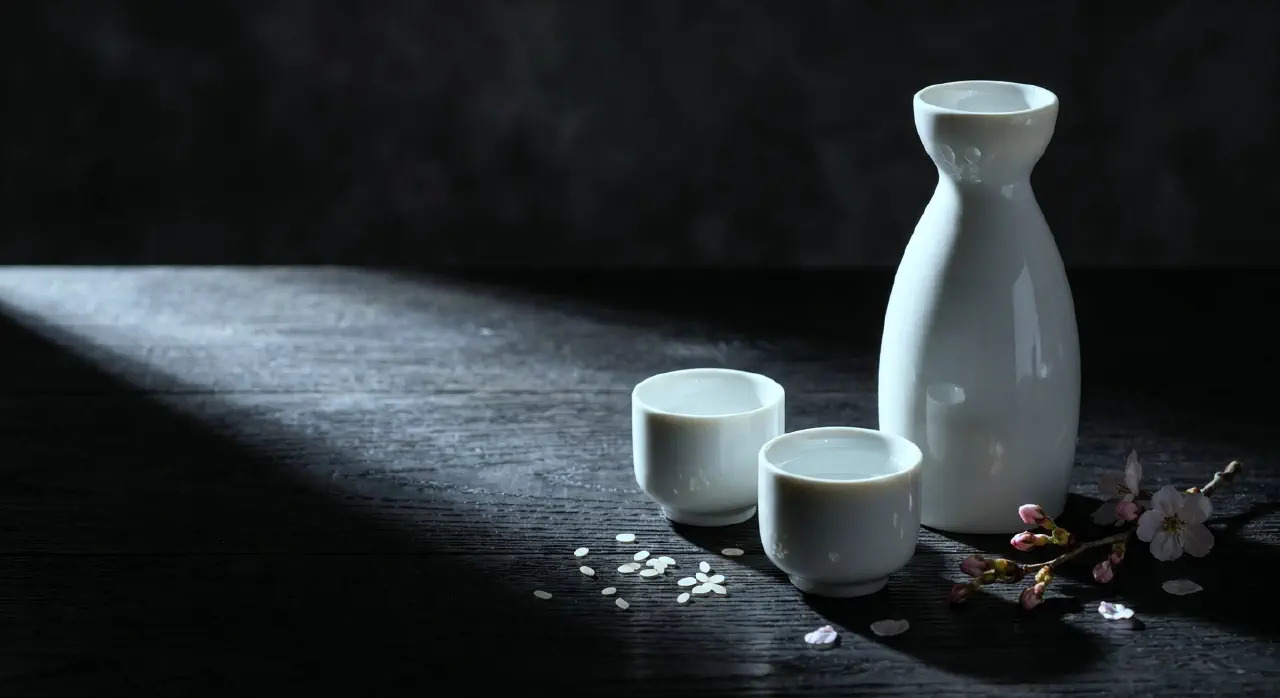
Sake is neither wine nor beer. Where wine ferments natural sugars and beer relies on malted grain enzymes, sake uses living mold to digest rice starch simultaneously with yeast converting the resulting sugars to alcohol - a third, independent invention of grain fermentation. The process can reach 20% alcohol (far stronger than Western beers or wines), yet sake’s character is surprisingly fruity and flowery despite never touching fruit or flowers. It is the purest expression of fermentation flavor itself.
Origins: moldy rice to brewing tradition
Historian H.T. Huang suggests the key was East Asia’s reliance on small, fragile grains - millet and rice - that were usually cooked whole rather than milled. Leftover cooked grains frequently grew moldy in their airy masses, and the mold tasted sweet and smelled alcoholic. By the 3rd century BCE this had become a regular technique; by 500 CE a Chinese source lists 9 mold preparations and 37 alcoholic products. Rice cultivation and the fermented rice drink chiu reached Japan from the mainland around 300 BCE; Japanese brewers refined chiu over centuries into modern sake.
Two mold traditions
Chinese chhü
A complex ecosystem in cake form. Wheat or rice (some roasted, most steamed) is coarsely ground, shaped into cakes, and incubated for several weeks. Multiple mold species colonize the cakes: Aspergillus on the outside, Rhizopus and Mucor inside - the same genera used in soy sauce, tempeh, and aged cheeses. Crucially, chhü also contains yeasts for eventual alcohol production. Once well-permeated, the cakes are dried for storage and reactivated by soaking in water when needed.
Japanese koji
Made fresh for each brewing. Polished, unground rice is inoculated with a selected culture of Aspergillus oryzae alone - no other molds, no yeasts. This single-mold approach produces less flavor complexity than Chinese preparations but gives the brewer precise control. Because koji contains no yeasts, a separate yeast source is required: traditionally the moto, a starter of koji and cooked rice gruel allowed to sour spontaneously over a month via Lactobacillus sakei and other bacteria, which produce tart and savory tastes. Modern shortcuts add organic acids and concentrated yeast directly, saving time but producing lighter, less complex sakes.
Brewing: simultaneous, stepwise fermentation
Unlike beer, where liquid is extracted from grain and fermented separately, sake ferments a thick gruel of cooked rice whole - mold enzymes digesting starch and yeast converting sugars simultaneously in the same vessel. Rice is introduced gradually at intervals over the fermentation period rather than all at once, which apparently helps yeasts continue producing alcohol to unusually high concentrations.
Chinese practice
Ordinary rice milled to remove ~10% of the grain. Fermentation at ~85°F/30°C for 1–2 weeks, then divided into smaller containers at cooler temperatures for weeks to months. The liquid is pressed, filtered, adjusted with water, colored with caramel, and pasteurized at high temperature (190–200°F/85–90°C) to develop finished flavor.
Japanese practice
The critical difference is rice polishing and cold fermentation. Above-standard grades require a minimum 30% of the grain removed; the highest grades polish away 50% or more, leaving nearly pure starch with minimal protein and oil - less grain flavor, more purity. Fermentation runs significantly colder: upper limit ~64°F/18°C, with top grades at a distinctly chilly 50°F/10°C. This cold, slow fermentation (~1 month vs. 2–3 weeks) accumulates 2–5 times the normal quantity of aroma compounds - notably fruity esters (apple, banana) and flowery complex alcohols that explain sake’s surprising fruitiness.
After fermentation the liquid is pressed, filtered, diluted with water to 15–16% alcohol, held for weeks to mellow, and pasteurized at 140–150°F/60–65°C - a temperature refined by Japanese brewers in the 16th century, centuries before Pasteur suggested gently heating wine and milk.
Sake grades and types
| Grade/Type | Character |
|---|---|
| Ginjo | “Special” grade; minimum 40% rice removed; pure alcohol only allowed additive |
| Junmaishu | Made only with rice and water; premium expression |
| Genshu | Undiluted (~20% alcohol) |
| Kimoto | “Live” moto, slowly soured by bacteria (traditional method) |
| Namazake | Unpasteurized, active enzymes; refrigerate, drink soon |
| Nigorizake | Cloudy sake with lees, yeast cells, particles |
| Taruzake | Aged in cedar barrels |
Standard and cheap grades add substantial pure alcohol, sugar, and organic acids before pressing - a wartime industrial practice that greatly increases yield but dilutes character.
Sake fragility
Sake’s delicate flavors are vulnerable to light and heat. Best drunk as young as possible, stored in a cool, dark refrigerator. Clear and blue bottles offer little protection. Once opened, consume quickly.
Mirin and sake lees
Mirin is sweet Japanese cooking alcohol made by combining cooked polished rice, koji, and shochu (distilled spirit from low-grade sake). The alcohol inhibits further fermentation while koji enzymes slowly convert starch to glucose over two months at 77–86°F/25–30°C, producing a full-bodied liquid at ~14% alcohol and 10–45% sugar. Industrial imitations use grain alcohol, sugar, and flavorings.
Sake lees (kasu) - the solids left after pressing - contain starch, proteins, yeasts, molds, acids, alcohol, and enzymes. Much used in Japanese cooking for vegetable pickles, fish marinades, and soups.
See also
- alcohol-science - ethanol properties, fermentation chemistry
- beer-brewing - the malting alternative to mold-based starch conversion
- wine - grape fermentation (natural sugars, no starch conversion needed)
- fermentation-overview - yeast biology, mold fermentation, microbial flavor creation
- grains - rice biology, barley, other brewing grains
- vinegar - alcohol’s natural sequel via acetic acid bacteria