Candy Making
Candy Making
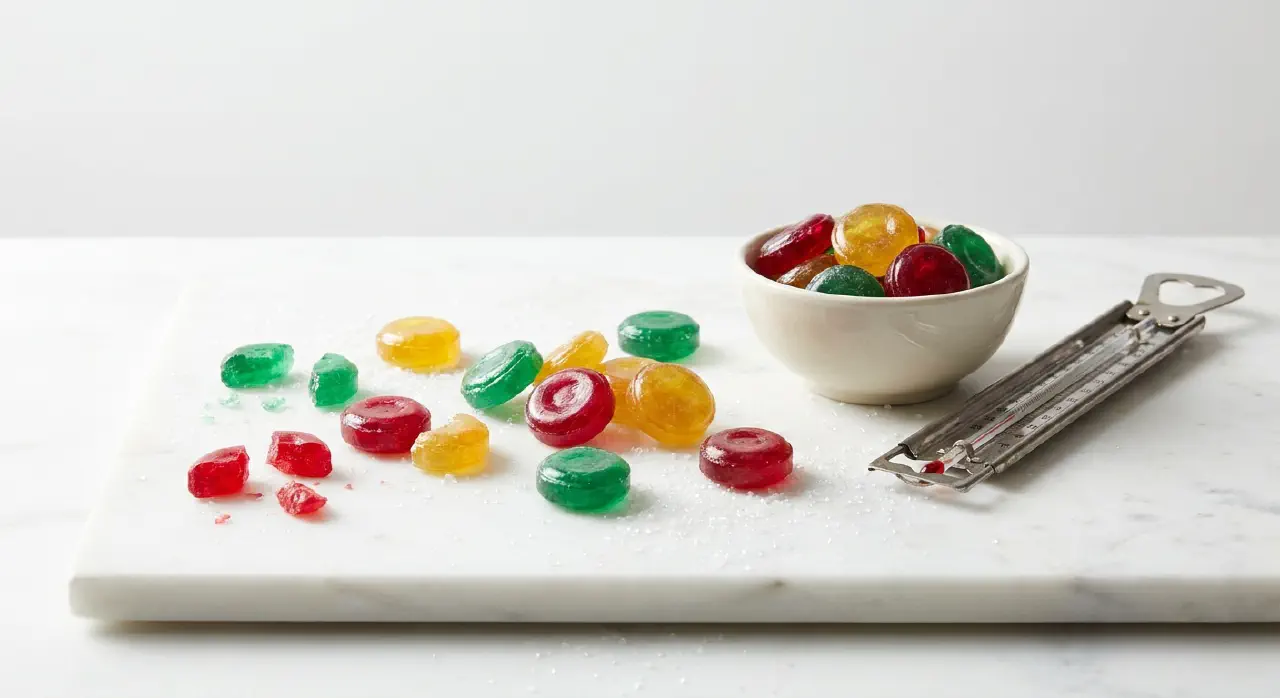
All sugar candies — brittle or creamy or chewy — are essentially mixtures of sugar and water. The astonishing range of textures comes from managing two variables: how concentrated the syrup gets (set by cooking temperature) and what the sugar molecules do as the syrup cools (crystallize into ordered solids, freeze into disordered glass, or get trapped in a matrix of protein, fat, or gel). Mastering confectionery means mastering crystallization science.
Sugar Science
Sugar Science
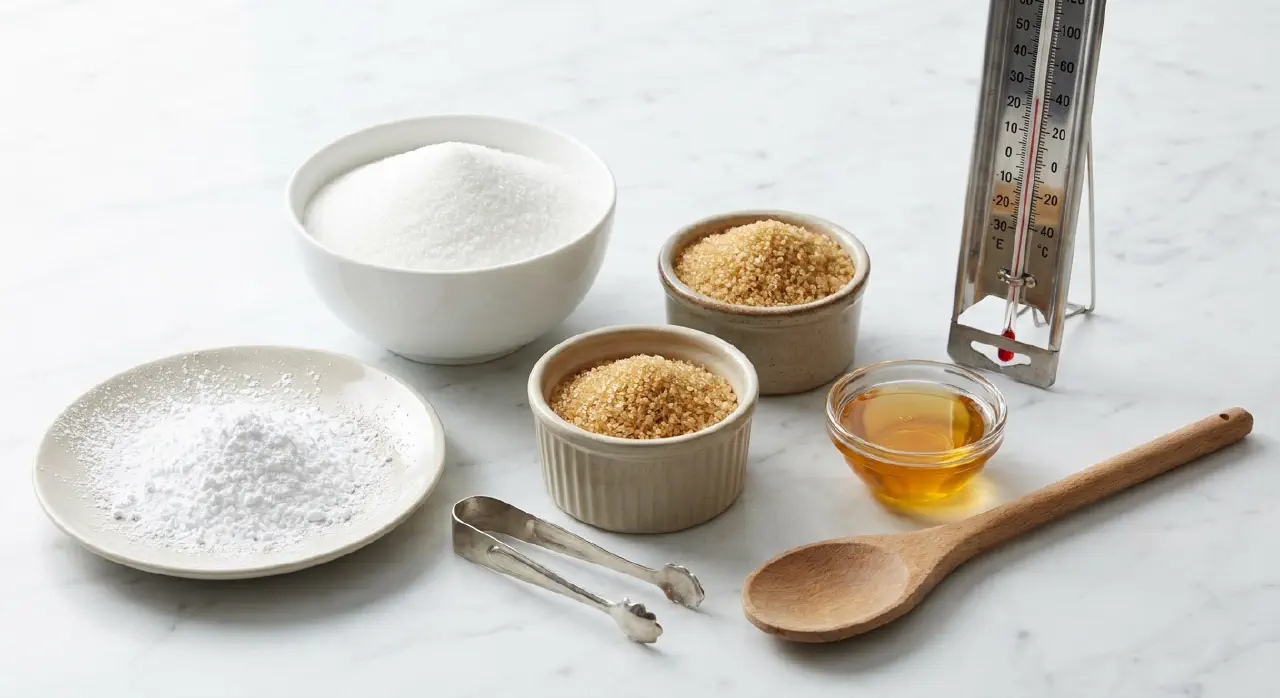
Sugars are small carbohydrate molecules — chains and rings of carbon, hydrogen, and oxygen — that serve as energy currency in both plants and animals. In the kitchen, their value goes far beyond sweetness: sugars bind moisture, depress freezing points, feed fermentation, brown into hundreds of flavor compounds through caramelization and the maillard-reaction, and crystallize into the rigid structures of confectionery. Understanding which sugar does what — and why — is the key to controlling texture, color, and flavor across baking, preserving, and candy work.