Fruit Ripening
Fruit Ripening
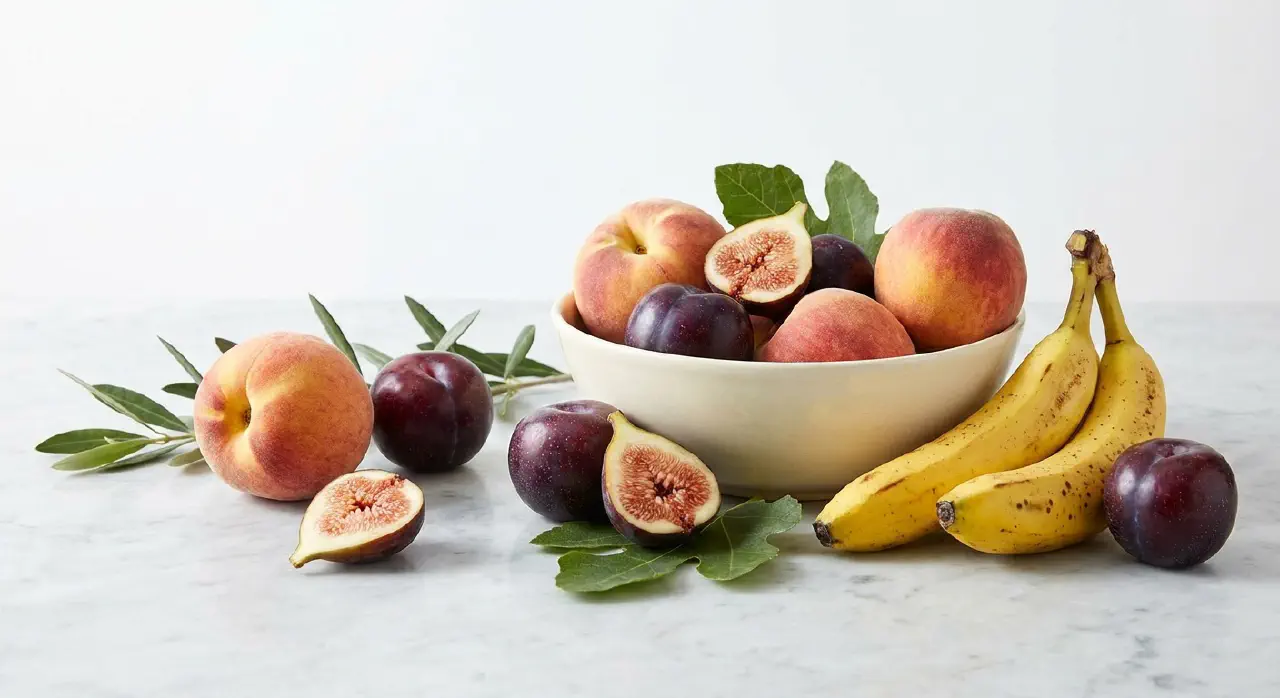
Ripening is programmed senescence — a coordinated enzymatic self-destruction that converts a seed-protecting structure into a seed-dispersing reward. Understanding the biochemistry of ripening is the single most useful piece of knowledge for buying, storing, and cooking fruit, because it determines whether a fruit can improve after harvest or is locked in at the moment it was picked.
Four stages of fruit development
Fruits develop through fertilization and hormone induction, cell multiplication (brief), cell expansion (the major growth phase, where storage cells fill with water, sugars, defensive compounds, and pre-positioned enzyme systems), and finally ripening itself. During the expansion phase, melon fruits can grow 80 cc daily; watermelon cells reach visible millimeter scale.
Protein Structure and Enzymes
Protein Structure and Enzymes
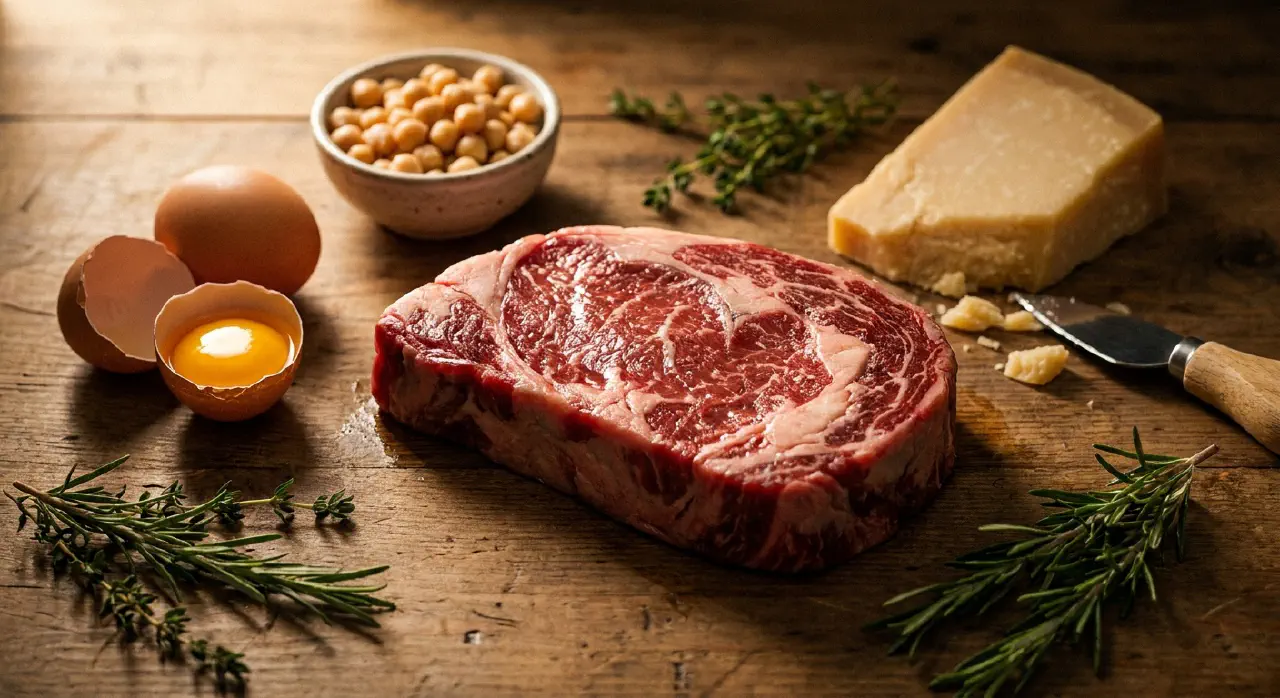
Proteins are the most challenging and sensitive of the four food molecules. Unlike water, fats, and carbohydrates (all relatively stable), proteins drastically change behavior when exposed to heat, acid, salt, or air. This sensitivity is fundamental — proteins are the active machinery of life, assembling and tearing down molecules, transporting materials within cells, forming muscle fibers that move whole animals. Their inherent dynamism is what makes them so responsive to cooking conditions.