Sake
Sake
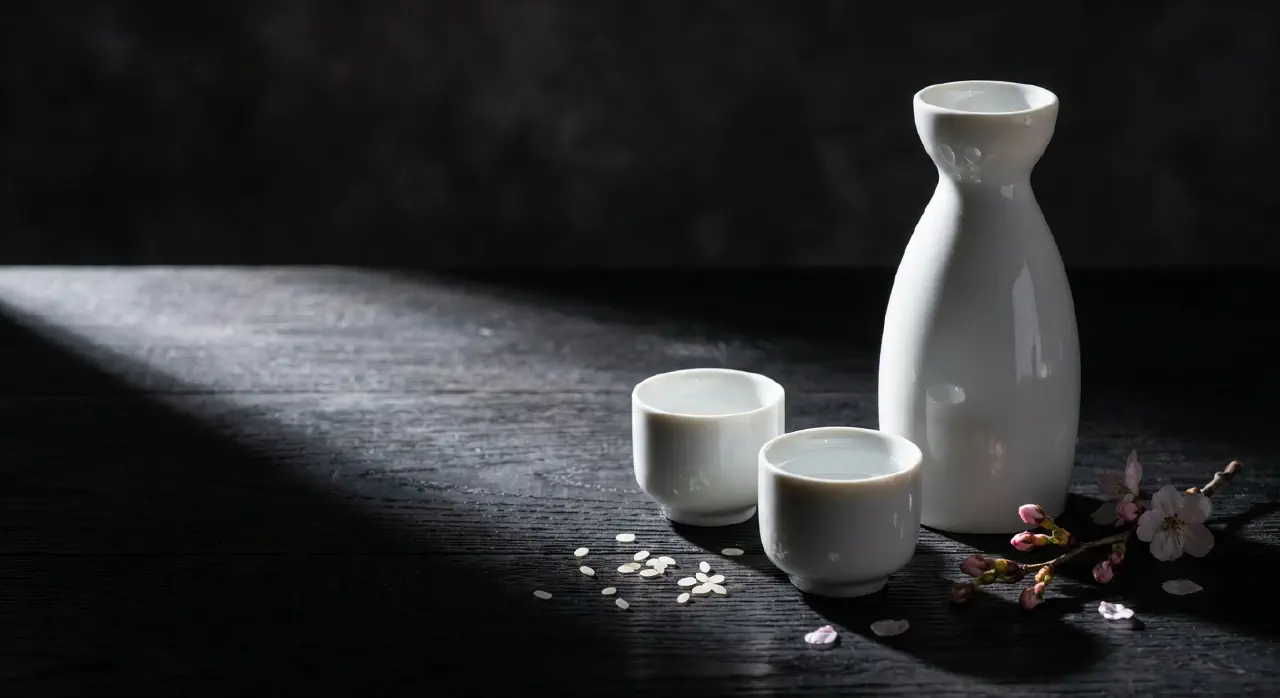
Sake is neither wine nor beer. Where wine ferments natural sugars and beer relies on malted grain enzymes, sake uses living mold to digest rice starch simultaneously with yeast converting the resulting sugars to alcohol — a third, independent invention of grain fermentation. The process can reach 20% alcohol (far stronger than Western beers or wines), yet sake’s character is surprisingly fruity and flowery despite never touching fruit or flowers. It is the purest expression of fermentation flavor itself.
Soy Products
Soy Products
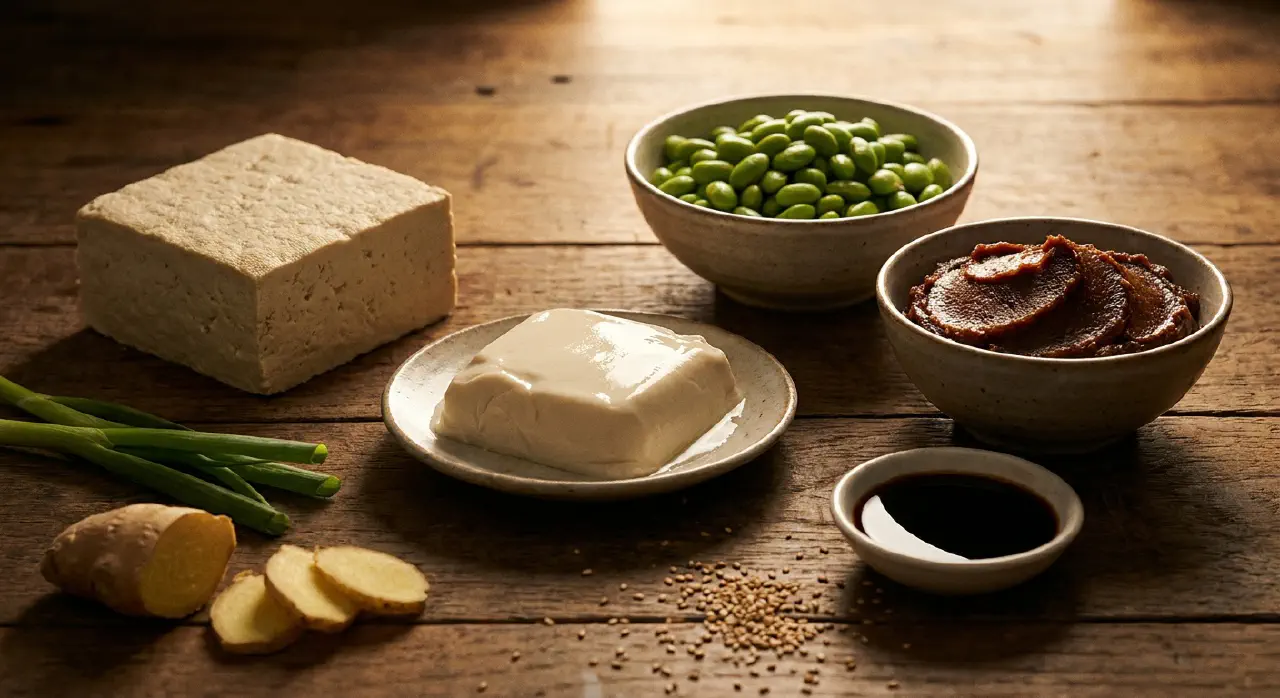
Soybeans present a palatability paradox: double the protein of other legumes, near-ideal amino acid balance, rich oil — yet raw or plainly boiled, they’re strongly “beany,” full of gas-producing oligosaccharides, antinutritional compounds, and a texture that’s firm rather than creamy (they contain negligible starch). Chinese cooks solved this with two fundamentally different approaches: extraction (separating desirable proteins and oil from everything else to make soymilk and tofu) and fermentation (using microbes to consume the undesirable compounds while generating savory complexity). The results — bean curd, soymilk, yuba, miso, soy sauce, tempeh, natto — are among the most versatile fermented foods in any tradition.