Wine
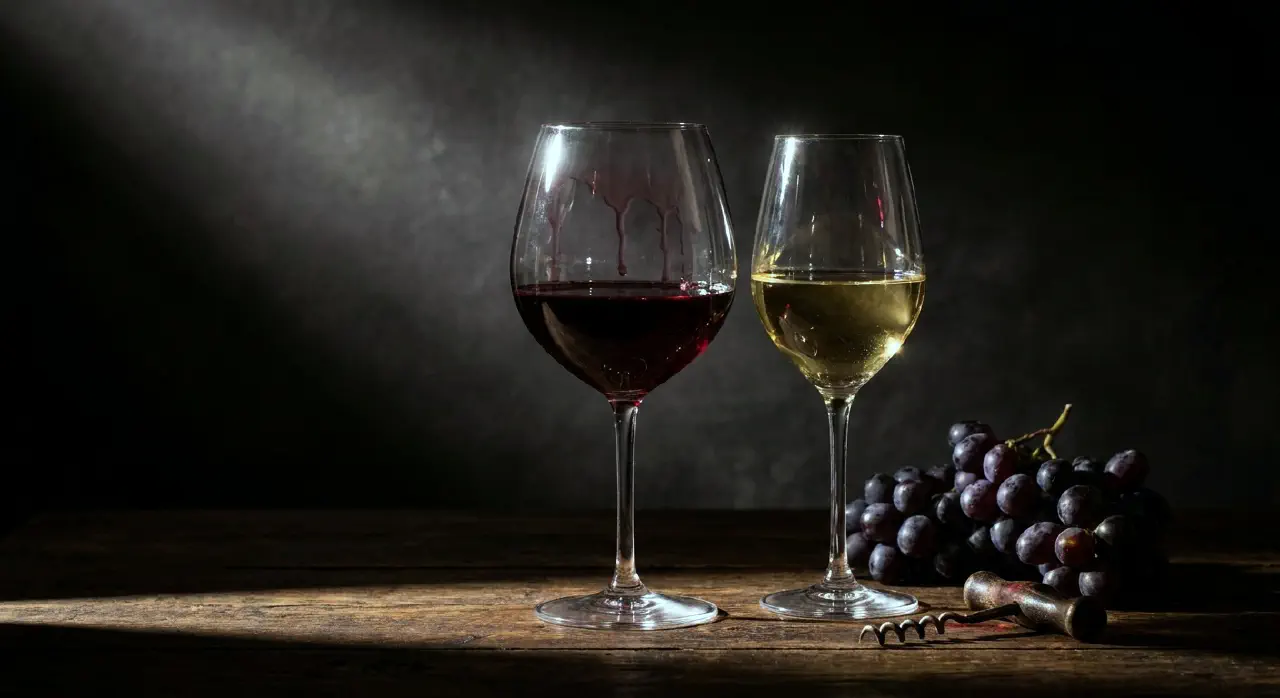
Wine is fermented grape juice - and grapes are uniquely pre-adapted for the job. They retain large amounts of tartaric acid (which few microbes can metabolize, giving yeast a competitive advantage), ripen with enough sugar that the resulting alcohol suppresses nearly all other organisms, and offer striking colors and a diversity of flavors. Seventy percent of the world’s largest fruit crop goes to wine.
Why grapes are special
Most fruits ferment readily, but grapes do so with unusual reliability and quality. Tartaric acid creates an environment that favors Saccharomyces yeasts over spoilage bacteria. The sugar content at ripeness (typically 20–25%) produces 10–14% alcohol - enough to preserve the wine without any additives. The vast number of grape varieties, each responding differently to soil and climate, explains wine’s infinite regional diversity. Pliny noted in Roman times that the same grape produced different wines in different locations - the concept now called terroir.
Winemaking essentials
Grapes are crushed to extract juice; wild or cultivated yeasts convert sugars to alcohol and CO₂; flavor compounds develop from yeast metabolism, grape compounds, and their interactions; the wine is aged in containers (steel, oak, or bottle) and further matured.
Red wines get their color from grape-skin contact during fermentation - the skins’ anthocyanin pigments dissolve into the alcoholic liquid. White wines are made without skin contact (or from color-mutant grapes). Rosé falls between: brief skin contact produces pale color.
The bottle revolution
The cork-stoppered glass bottle, introduced around 1600, was one of the most consequential innovations in food history. For over 1,000 years after Rome’s fall, wine was stored only in wooden casks - which are not airtight. Wine oxidized within a few years, and the great aged wines that Romans had enjoyed in sealed amphoras disappeared entirely. Cork and glass restored airtight storage, enabling both deliberate aging and the discovery of sparkling wines (residual yeasts in sealed bottles produced carbonation).
Fortified wines
Fortified wines have added distilled spirits, raising alcohol content above normal levels for preservation and distinctive character. Four classic types:
Sherry (Jerez, Spain): Dry to sweet, aged through the solera system - a cascade of barrels where wine from the oldest tier is drawn for bottling and replaced from progressively younger tiers, creating consistent house character. Fino and manzanilla styles age under a living yeast film called flor that provides both oxidative and biological aging, producing a fresh, tangy, delicate character. Oloroso ages without flor through purely oxidative aging - full-bodied, dark, and concentrated.
Port (Douro Valley, Portugal): Fortification occurs during active fermentation - the added spirits kill the yeast, preserving residual sugar. This is why port is sweet where sherry is (usually) dry. Ruby port is young and fruit-forward; tawny port ages in barrels for years to decades, developing nutty, caramel complexity. Vintage (vintage-dated vintage) port ages further in bottle, sometimes for decades to centuries.
Madeira (Portuguese island): The most indestructible wine. Aging mimics the heat of tropical ocean voyages through estufagem - wine heated to 100–140°F/38–60°C for months, developing caramelized, concentrated flavors. Styles range from bone-dry Sercial to rich, sweet Malmsey. Vintage Madeira, aged 20+ years, can last centuries after bottling.
Vermouth: Fortified wine flavored with proprietary blends of botanicals - wormwood, angelica, juniper, cardamom, cinnamon, citrus peel, and many others. French dry vermouth is pale and herbal; Italian sweet vermouth is dark, spiced, and sweetened.
Wine in cooking
Wine contributes acidity, sweetness, savoriness (glutamic acid), and aromatic complexity. Alcohol provides a third solvent for extracting fat-soluble flavors that water alone can’t reach. Reduction concentrates flavors and drives off some (but not all) alcohol. Red wine’s astringent tannins mellow with long simmering; the tannins also bind with proteins, which is why red wine pairs well with rich meats.
See also
- alcohol-science - ethanol’s properties, cooking with alcohol
- fermentation-overview - the microbiology of alcoholic fermentation
- vinegar - wine’s natural sequel via acetic acid bacteria
- barrel-aging - oak’s contribution to aged wines
- distilled-spirits - brandy as distilled wine; Cognac, Armagnac
- berries - grape biology, vine fruit